



Last month, Canadian entrepreneurial couple Tina Singh and Herpreet Singh Jhajj, founders of the niche start-up Bold Helmets, appeared on CBC’s “Dragons’ Den” — a reality show where new entrepreneurs pitch their ideas to multi-millionaires in hopes of securing investment. Bold Helmets, created by Tina Singh, offers specially designed bike helmets for Sikh children who wear a patka (a type of turban worn as part of their religious obligations).
The Singhs, based in Brampton, Ontario, sought Canadian $250,000 in exchange for a 10% stake in their business. They successfully impressed angel investors Simu Liu and Manjit Minhas, who offered the funds in exchange for a 45% share. For the Singhs, who launched their business last year and have invested approximately Canadian $250,000 — all bootstrapped using personal resources — the recognition is a significant boost, aiding both the promotion and expansion of Bold Helmets.
Tina, a mother of three active boys, launched her product after struggling to find suitable, safe sports headgear for her children. She discovered that no helmet worldwide was designed to accommodate Sikh kids who wear their hair in a topknot. As an occupational therapist, she understood the critical importance of safe headgear during physical and outdoor activities, which led to the conceptualization of her start-up.
It took her two years and numerous design iterations to develop a product that is now safety-certified by CPSC, CE, UKCA, and ASTM. The helmet can be used for a variety of activities, including cycling, kick scootering, inline skating, and skateboarding.
The Singhs, much like the name of their product, took a ‘bold’ step by marketing their product on reality TV. While the endorsement from Dragons’ Den judges could significantly boost brand awareness, a less-than-stellar response had the potential to shake the confidence of the creators.
READ: Rafe Husain’s Calibike: Transforming last-mile mobility with an electric edge (October 26, 2024)
“We went back and forth on the idea of even doing the show for a long time. In the end, we decided that the opportunity to showcase Bold Helmets to all of Canada was worth the risk of ‘messing up,’” Tina told The American Bazaar. “It’s a risk that’s very real as you record in the den for over an hour. Of course, viewers only see one small piece of it.”
For most small businesses, particularly minority-owned ones, taking the traditional route is common due to challenges such as investor perception and limited access to capital. This issue is often supported by data. In 2023, according to Crunchbase, only about 0.5% of venture capital funding in the United States went to Black founders. This figure pales in comparison to the massive $140.4 billion VC pool that funded U.S.-based startups last year.
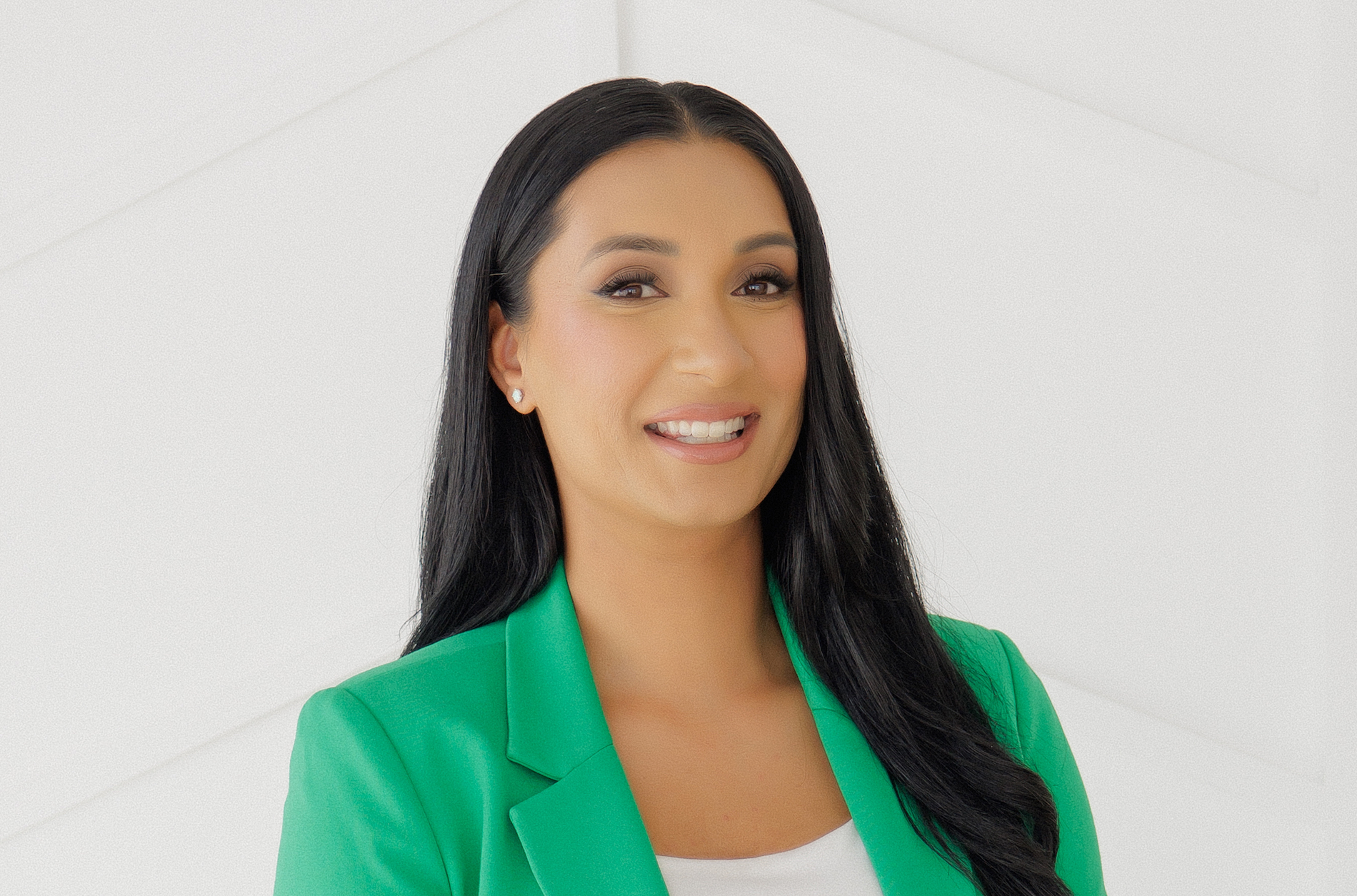
Tina acknowledges these challenges: “Our business has been bootstrapped to date, so I haven’t had to go out and search for investments. But I do have friends and colleagues who have, and I know it’s a challenge for women and especially women of color. However, because I haven’t looked to raise capital, I can’t speak from my own experience.”
Tina also recognizes the niche nature of her business, describing Bold Helmets as more than just a product—it’s a symbol of identity, acceptance, inclusion, and diversity. Niche businesses often face unique hurdles, such as the need for highly targeted advertising and the challenge of a limited customer base.
She admits that, as a minority business owner seeking funding for a brand catering to a minority market, concerns about market size are common. However, she remains optimistic: “The Sikh market in Canada is about 300,000 young boys. Internationally, that market grows to an astonishing 26 million.”
When asked if she had any beginner’s jitters about creating a product for a small group in a saturated helmet market, Tina said: “When I started developing this product, I was focused on creating something for my kids. It was a product that didn’t exist, so I wasn’t concerned about how saturated the market was. I was driven by the need to create a product that my kids and others like them needed. Once the business launched, I was periodically asked about scalability and market size. There’s a large population of Sikh people in North America and globally who can benefit. Moreover, we believe there’s a broader market for our product beyond its current audience.”
Regarding the decision not to seek investment initially, she explains: “We didn’t take on investment because we didn’t need it to start. We would consider it as we expand our product offerings and scale. To date, we’ve invested about $250,000 into the business, all bootstrapped.”
READ: Innovating video conferencing: Meet Hour’s CTO says it has edge over industry giants (June 27, 2024)
Regarding their first-year performance, Tina notes: “We generated over $130,000 in revenue during year one, which aligned with our goals as we were still in the process of testing the market.”
In addition to Canada, the Singhs currently ship their product to the U.S., UK, Germany, Switzerland, Thailand, New Zealand, Australia and India. There is a large market demand from Australia and India. “We are working on having our products more local in those markets to improve access for customers with less expensive and faster shipping,” Tina says. “Our product is the first product of its kind in the market.”
The mompreneur says going through the Dragon’s Den route helped her business. “Being part of Dragon’s Den allowed us to show the public that we are a legitimate business that has a solid product,” Tina says. “It allowed us to create visibility for Sikh kids on a national level and helped demonstrate that niche isn’t always so niche. We’re proud of our pitch!”