


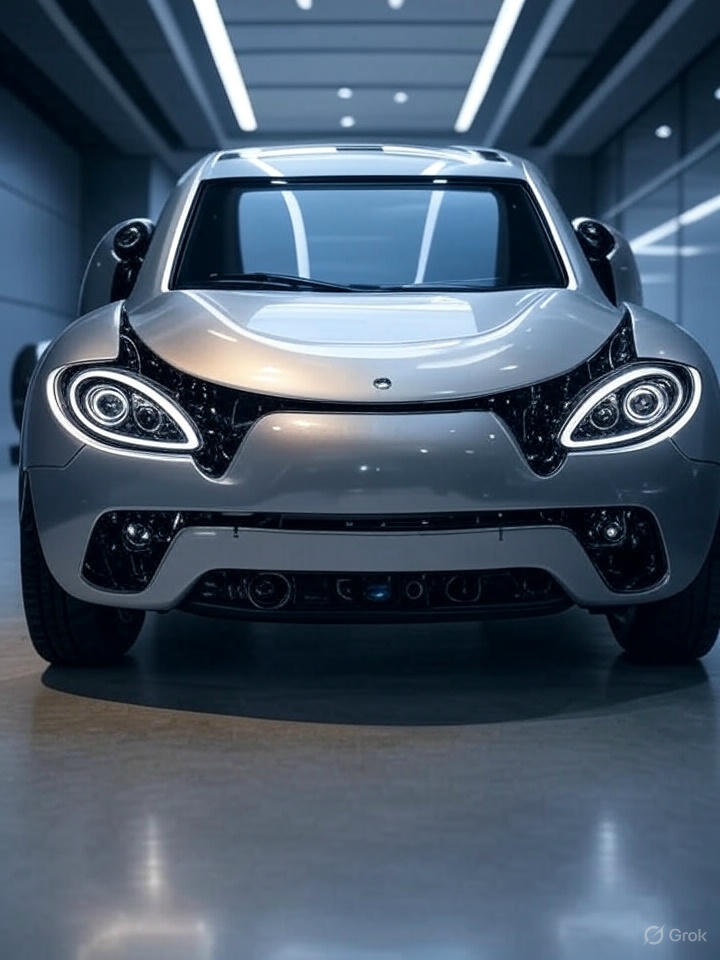
Elon Musk seems to firing on all cylinders after his departure from the White House as well as his public feud with US President Donald Trump. Reportedly, Tesla tentatively plans to begin offering rides on its self-driving robotaxis to the public on June 22, CEO Elon Musk said on Tuesday, as investors and fans of the electric vehicle maker eagerly await rollout of the long-promised service.
“We are being super paranoid about safety, so the date could shift,” Musk said in a post on X in response to a question from a user about public robotaxi rides that the EV maker plans to first offer in Austin, Texas.
This announcement comes in the wake of rideshare company Waymo suspending services in Los Angeles in light of the ongoing anti-ICE riots. Waymo is known to use autonomous vehicles in its services. Musk may very well be trying to capitalise on Waymo’s decision.
READ: Attack on Elon Musk? X outage hits as Tesla shares tank (March 11, 2025)
Waymo, a subsidiary of Alphabet, is a pioneer in autonomous vehicle technology. It operates fully self-driving cars called the Waymo Driver in select U.S. cities like Phoenix and San Francisco. Waymo’s fleet uses advanced sensors—lidar, radar, and cameras—to navigate safely and has logged millions of autonomous miles, showing fewer accidents than human drivers. Its ride-hailing service, Waymo One, offers public access to driverless rides. Despite technological progress, Waymo faces challenges including regulatory hurdles and occasional incidents. The company continues expanding, aiming to make autonomous, safe, and sustainable transportation widely available in the coming years.
Reportedly, a successful robotaxi launch is crucial for Tesla as sales of its EVs have softened due to rising competition and a backlash against Musk’s embrace of far-right political views in Europe.
“Austin >> LA for robotaxi launch lol,” Musk said on X, in an apparent reference to the southern Californian city of Los Angeles.
Tesla’s robotaxi is a fully autonomous ride-hailing service launching in Austin, Texas, in 2025. It will use Tesla vehicles equipped with Full Self-Driving (FSD) software to operate without drivers, initially within a limited area for safety. The service aims to offer affordable, driverless rides and eventually expand to other cities. Tesla plans to let owners add their cars to the network to earn income. The Cybercab, a purpose-built driverless Tesla without steering wheels or pedals, is planned for later mass production. This launch marks a major step toward Tesla’s vision of fully autonomous transportation but still faces regulatory and technical challenges.
READ: Will Elon Musk own TikTok soon? (January 14, 2025)
The launch of Tesla’s robotaxi marks a pivotal milestone for Elon Musk, showcasing his vision of a fully autonomous future. It solidifies Tesla’s position as a leader in self-driving technology and opens new revenue streams through ride-hailing services and vehicle sharing. This innovation aligns with Musk’s broader mission to accelerate sustainable transportation and reduce reliance on human drivers. Successfully deploying the robotaxi could boost investor confidence and public trust in Tesla’s AI capabilities. However, it also places Musk under pressure to meet regulatory standards and prove the technology’s safety, making the launch both a bold opportunity and a critical test of his leadership.