


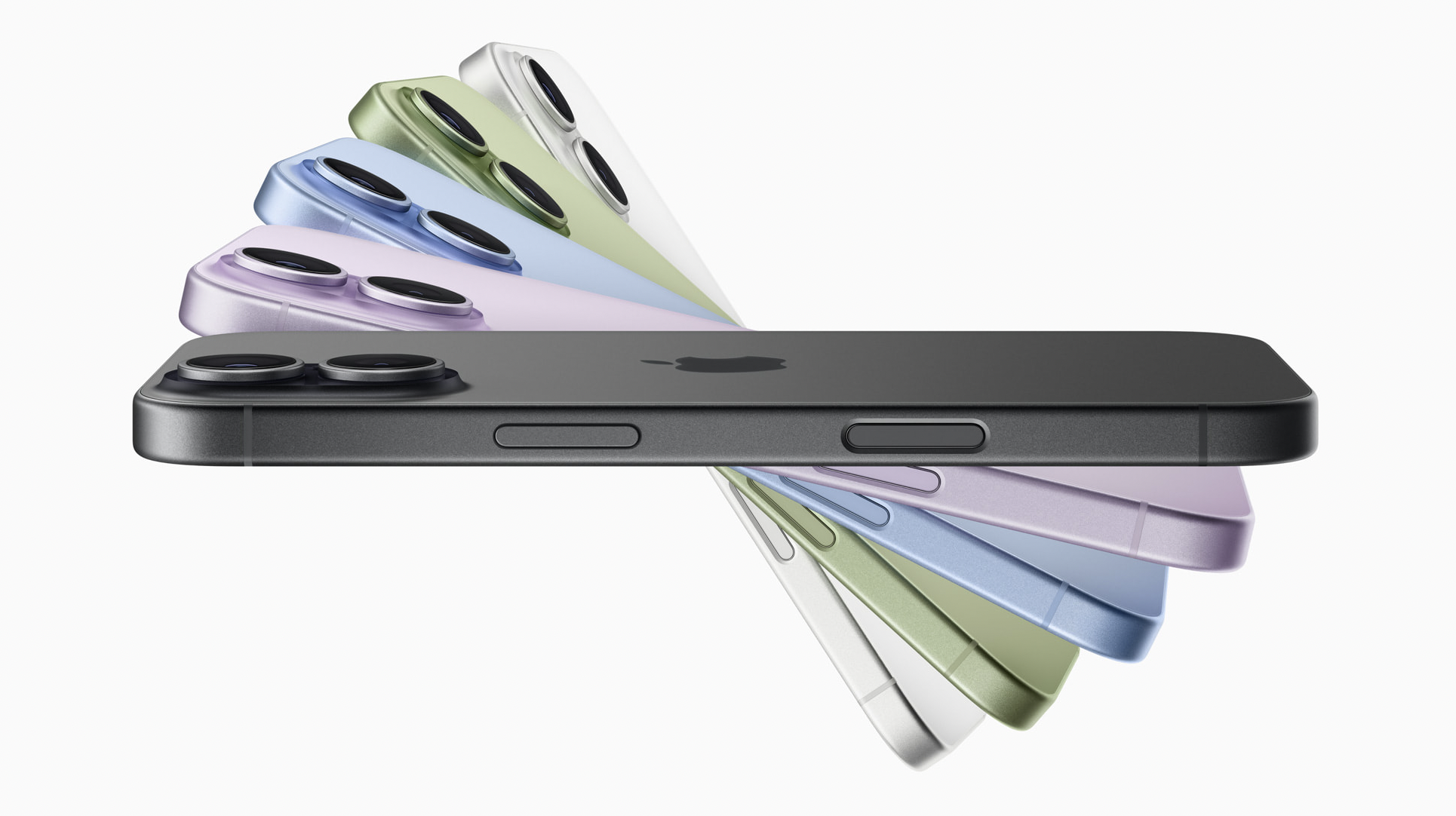
During its hardware launch event on Tuesday, Apple launched the iPhone Air, its thinnest and lightest model to date. This product — which was launched alongside the iPhone 17, 17 Pro and 17 Pro Max — draws inspiration from the MacBook Air strategy, which debuted in 2008 as the thinnest laptop available, positioned between the more affordable MacBook and the higher-quality MacBook Pro. Apple has now applied the same “air” concept to the iPhone, emphasizing on its thinness and lightness.
This model has an “airiness” feel to it because of its titanium frame. It measures at just 5.6 millimeters thick. This makes it about 0.08 inches (slightly over 2 mm) thinner than current iPhones and thinner than Samsung’s 5.8 mm Galaxy S25 Edge. It features a large 6.6-inch display that has the same 120 Hz ProMotion setup found on the Pro models. It runs on the A19 Pro chip providing a performance boost over the base iPhone 17 model.
READ: Google’s AI chatbot Gemini faces accuracy concerns (December 20, 2024)
iPhone Air is an eSim-only device. This aids the sleek look, since there is no need for a physical SIM card slot. “We pioneered eSIM years ago, and now it’s an industry standard, and compared to that, decades-old piece of plastic, eSIM is so much easier to use, has better security, and saves precious space inside the iPhone; eSIM is also great for travel,” Apple said during the keynote.
During the event, Apple also announced its new 48-megapixel fusion camera system, which functions as multiple advanced cameras in one. The device also offers all-day battery life. Additionally, with the iOS 26 update, users will gain the Adaptive Power Mode feature, which utilizes Apple Intelligence to make intelligent adjustments throughout the day, thereby helping to extend battery life.
Notably, artificial intelligence was not mentioned as much as expected during the launch event. The company only mentioned AI technology a few times: to rehash some updates announced in June at WWDC, like Visual Intelligence and its on-device models, and in some aspects of its camera upgrades, like the iPhone 17’s front camera, which it calls Center Stage. The AI-powered Live Translation feature coming to Apple’s AirPods 3 wasn’t mentioned. There was no mention of Siri at all, AI-powered or otherwise.
So far, Apple has only released what could be considered baseline AI features for its devices, like AI writing tools, summarization, generative AI images, live translation, visual search, and Genmoji, among others. Some believe that this shows that Apple is lagging behind other companies in this regard. However, according to TechCrunch, Apple’s decision to outsource some of the phone’s AI technology could actually become a selling point for consumers.