


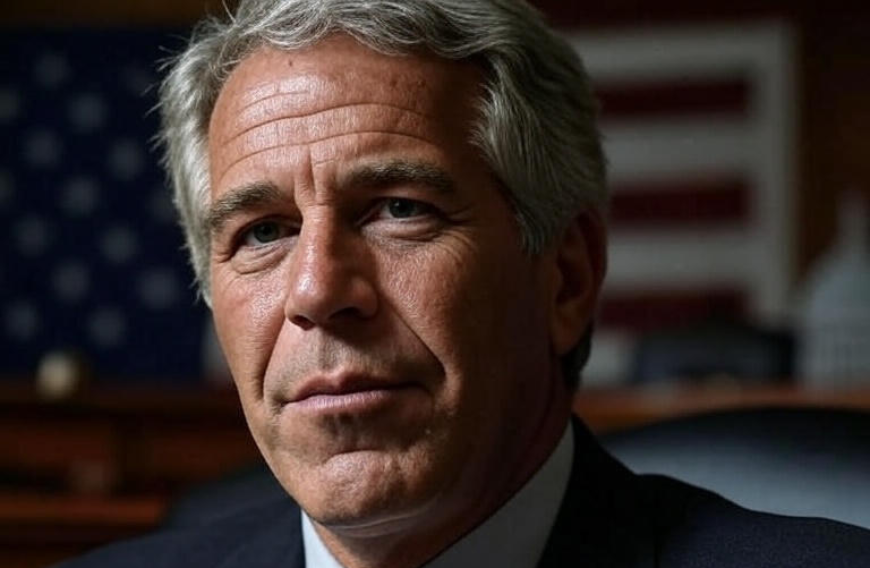
President Donald Trump appears to have shifted his stance once again on the release of the Epstein files. On Sunday, he urged congressional Republicans to vote in favor of releasing documents related to the late convicted sex offender Jeffrey Epstein, reversing his earlier opposition.
Trump took to social media to appeal to his Republican brethren to vote for the release of the Epstein files, which seems like a remarkable turnaround from mere months ago when the Trump administration went silent regarding the files after much public fanfare that they were going to release it.
Trump’s post on his Truth Social came after House Speaker Mike Johnson said earlier that he believed a vote on releasing Justice Department documents in the Epstein case should help put to rest allegations that Trump had any connection to Epstein’s abuse and trafficking of underage girls.
READ: Congress faces growing calls to release Epstein files (
“House Republicans should vote to release the Epstein files, because we have nothing to hide,” Trump wrote on Sunday night. “And it’s time to move on from this Democrat Hoax perpetrated by Radical Left Lunatics in order to deflect from the Great Success of the Republican Party, including our recent Victory on the Democrat ‘Shutdown’.”
Although Trump and Epstein were photographed together decades ago, the president has said the two men fell out before Epstein’s convictions.
Trump’s recent reversal on the release of Jeffrey Epstein-related files highlights the intersection of politics, accountability, and public perception. After previously resisting disclosure, Trump is now urging House Republicans to support the release, framing it as a demonstration of transparency.
U.S. Representative Ro Khanna, a California Democrat and an original sponsor of the petition calling for a vote on the files’ release, said on Sunday that he expected more than 40 Republicans to vote in favor.
The situation underscores a broader challenge in American politics: balancing public demands for transparency with the political risks of high-profile scrutiny. Trump’s pivot illustrates how leaders may adjust positions to protect their personal and party reputations, while also navigating the expectations of their base.
The eventual release of the Epstein files could set an important precedent for accountability and openness in cases involving prominent figures. Regardless of political affiliation, the outcome will test the strength of institutional transparency in 2025, reinforcing the principle that access to information remains critical for public trust and democratic governance.
The Epstein files refer to the collection of documents, investigative records, court filings, and communications related to Jeffrey Epstein, his criminal activities, and associates. In 2025, there has been a major push by lawmakers to release these files publicly to supposedly ensure transparency and accountability.
The House Oversight Committee has already made tens of thousands of pages available, including memos, court filings, and flight records, though much of the material was previously public. The effort highlights the ongoing tension between public interest, political considerations, and legal constraints surrounding sensitive investigations.