


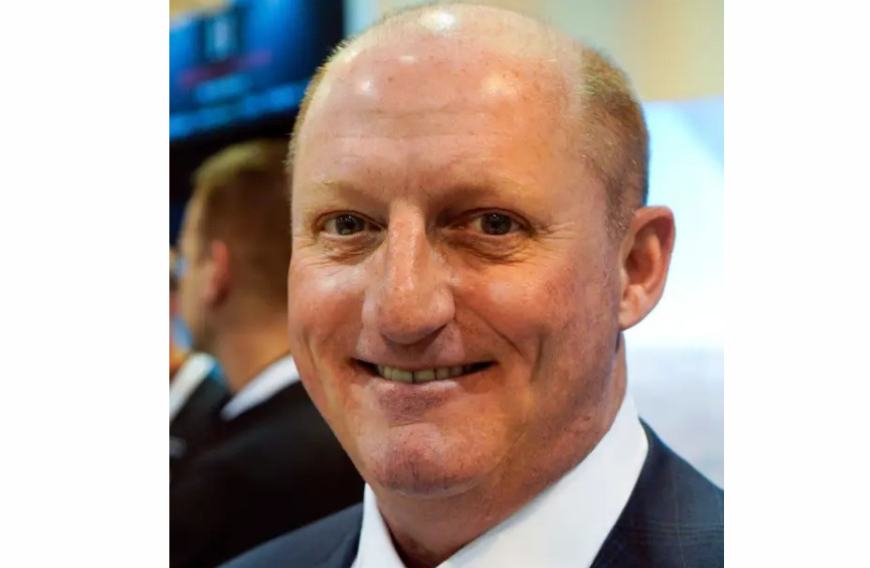
The man set to take the top job at Berkshire Hathaway has received a striking pay increase. Berkshire Hathaway disclosed on Tuesday that it has raised the salary of incoming Chief Executive Greg Abel to $25 million, a dramatic jump from the $100,000 annual salary that his predecessor, Warren Buffett, accepted for more than four decades.
Abel has enormous shoes to fill, and from an optics standpoint, the move has already sparked debate. Reports indicate that it was the “Oracle of Omaha” himself who approved Abel’s compensation at this unusually high level, underscoring the confidence Buffett has placed in his chosen successor.
Gregory Edward Abel (born June 1, 1962) is a Canadian-born business executive who officially became Chief Executive Officer of Berkshire Hathaway on January 1, 2026, succeeding Buffett after more than sixty years of leadership. Abel grew up in Edmonton, Alberta, and earned a Bachelor of Commerce degree from the University of Alberta before starting his career as an accountant at PricewaterhouseCoopers. He later transitioned into the energy and utilities sector, where he built much of his executive experience.
READ: Warren Buffett exits CEO role at Berkshire Hathaway after decades (
Abel joined Berkshire Hathaway through its acquisition of MidAmerican Energy, later renamed Berkshire Hathaway Energy, where he rose to CEO and played a central role in expanding the conglomerate’s regulated utility operations. In 2018, Buffett appointed Abel as Vice Chairman of Non-Insurance Operations, placing him in charge of major subsidiaries spanning railroads, energy, manufacturing, and retail. Buffett publicly named Abel as his successor at Berkshire’s 2025 annual meeting, and the board unanimously confirmed his appointment as CEO effective in 2026.
Berkshire Hathaway Inc. is one of America’s largest conglomerates, headquartered in Omaha, Nebraska, with a vast portfolio of wholly owned businesses and significant equity investments. Originally a struggling textile company, Berkshire was transformed under Buffett’s stewardship into a more than $1 trillion enterprise, with operations across insurance, railroads, utilities, manufacturing, energy, and consumer brands. Major subsidiaries include GEICO, BNSF Railway, and Berkshire Hathaway Energy, while the company has also held large equity stakes in firms such as Apple and American Express.
READ: Billionaire investor Warren Buffet prepares to leave Berkshire Hathaway (
The company’s business model centers on long-term value investing and decentralized management, allowing subsidiary leaders wide autonomy while the parent organization focuses on capital allocation and strategic oversight. Berkshire generates substantial cash flow across its operating businesses and maintains significant cash and Treasury holdings, giving it flexibility for acquisitions and investments.
The leadership transition marks a pivotal moment not only for Berkshire Hathaway but also for the broader investment and business community. Under Abel’s leadership, the conglomerate is likely to face heightened scrutiny from investors, analysts, and the public over its strategic direction, capital deployment, and its ability to maintain the disciplined approach that has defined its success for decades.
While Berkshire enters this new chapter on a strong foundation, its ability to adapt to shifting economic conditions, market volatility, and evolving regulatory pressures will shape its future trajectory. This transitional period will test the resilience of Berkshire’s decentralized model and the strategic vision of its new leadership, ultimately setting the tone for the company’s post-Buffett era.