


By Keerthi Ramesh
California’s billionaire class is quietly reshaping its financial and residential footprint as the state considers a highly controversial wealth tax proposal that could take effect in 2026.
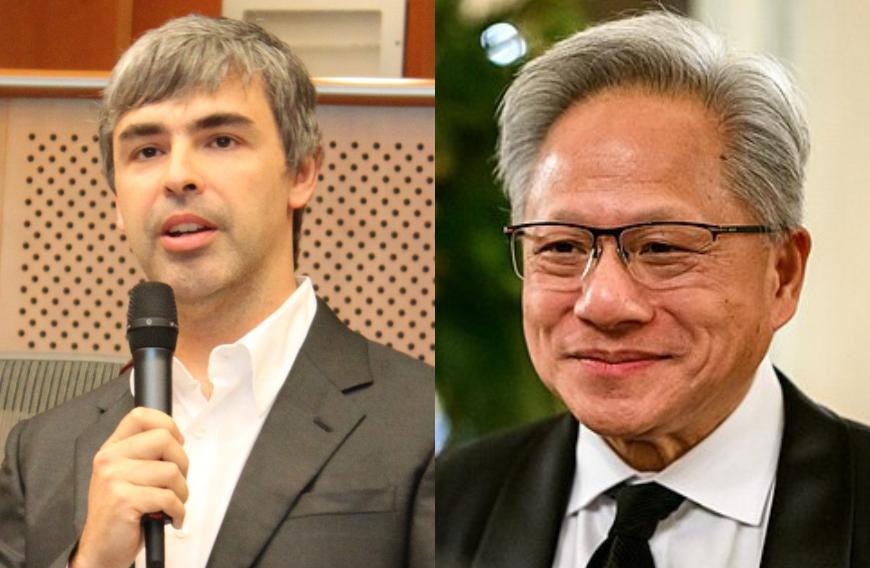
Among the most high-profile shifts, Google co-founder Larry Page has begun relocating several business entities out of California, moving registrations to states such as Delaware, Florida, Nevada and Texas. Page’s family office, Koop LLC, as well as ventures including Flu Lab LLC, One Aero and Dynatomics LLC, were officially transferred before the end of last year ahead of a key residency cutoff tied to the proposed tax act. Page himself is reportedly no longer living in California.
The proposed 2026 Billionaire Tax Act seeks to impose a one-time, 5% levy on net worth exceeding $1 billion, with payments due over five years. Backers, including health care and labour groups, say the revenue could generate roughly $100 billion to support healthcare, education and food assistance programs in the face of looming federal budget cuts.
READ: ‘The work has just begun’: Zohran Mamdani takes office as NYC mayor, signals affordability (
Supporters argue that California’s wealthiest residents should contribute more as the state grapples with fiscal shortfalls. Renée Saldaña, a spokesperson for the sponsoring union, said the initiative aims to avert a “looming healthcare collapse” and restore services that federal cuts have jeopardized. But critics warn the tax could prompt mass departure of capital and talent.
David Sacks, co-founder of Craft Ventures and an advisor to President Donald Trump, opened a new office in Austin, Texas, amid the ongoing debate, and has publicly criticized the proposal as harmful to economic growth.
Some billionaire founders have made similar moves: Peter Thiel’s investment firm established a presence in Miami, and other tech leaders have expressed interest in shifting their base of operations outside California if the measure proceeds.
Venture capitalist Chamath Palihapitiya warned that taxing unrealized wealth could “kill entrepreneurship” by forcing startup founders to pay large tax bills on illiquid assets, such as stock that has not been sold.
READ: Restaurants rethink service tax on large groups after ‘no tax on tips’ law (
Yet not all prominent figures in Silicon Valley share the same alarm. Jensen Huang, CEO of Nvidia, said he is “perfectly fine” with the proposed law and plans to remain in Silicon Valley, emphasizing the region’s unmatched talent pool and innovative ecosystem as reasons to stay.
Economists say the proposal could also trigger legal challenges if approved, particularly over how wealth is assessed and whether California can tax individuals who change residency shortly before the measure takes effect. Similar wealth tax efforts in other states and countries have faced constitutional hurdles or were rolled back after capital flight concerns. Still, California lawmakers backing the initiative argue the state’s scale and economic pull make it uniquely positioned to withstand backlash while reshaping how extreme wealth is taxed.
The ballot initiative must collect more than 870,000 valid signatures to appear before voters in the November 2026 election, and both proponents and opponents are intensifying efforts on either side of one of California’s most divisive tax debates in years.