


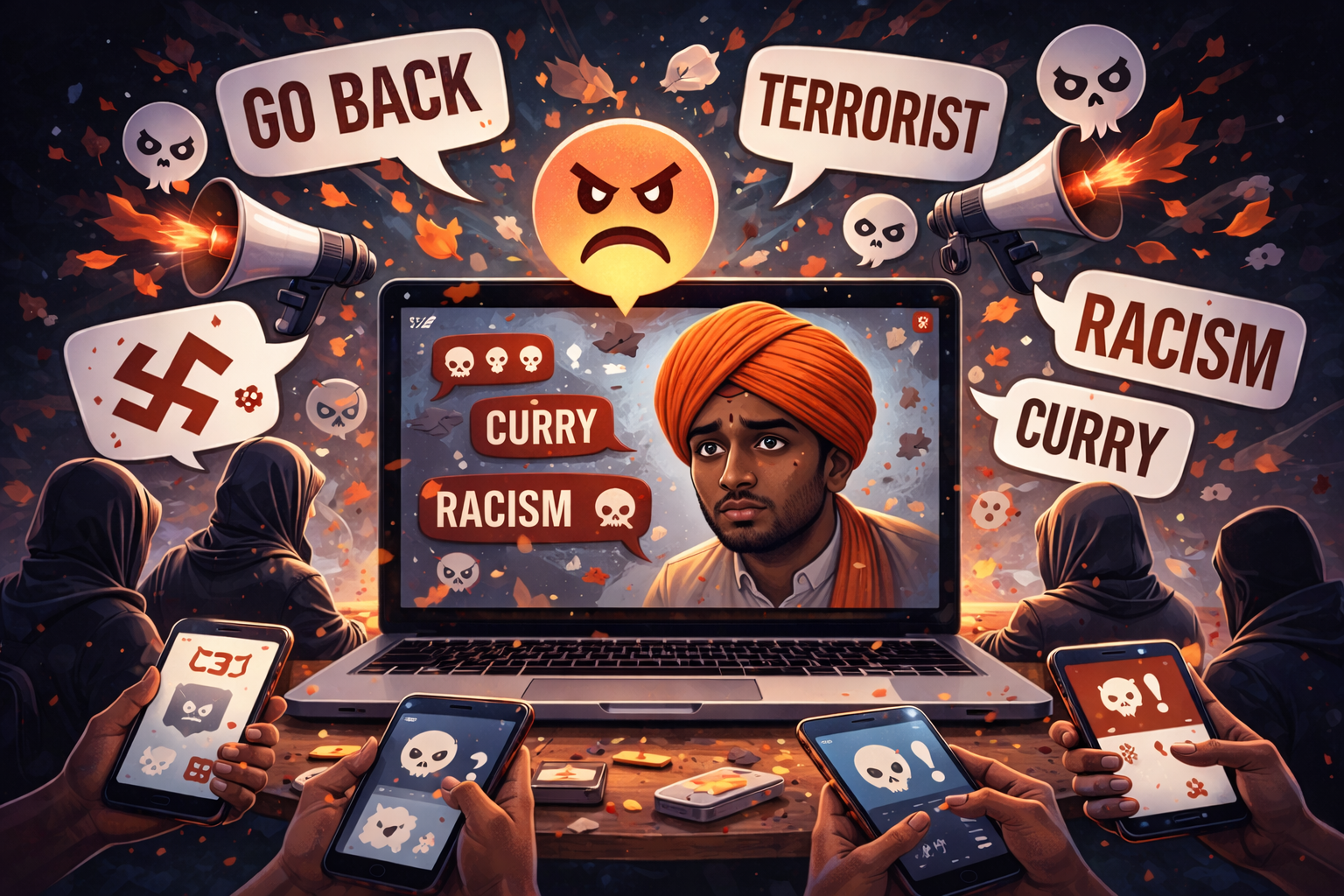
A user on Elon Musk’s X shared a video of a festive Indian procession and paired it with a blatantly racist post, which has been widely circulated on the platform.
The user, Info Battle Maiden, wrote: “This is what an area looks like when it’s been flooded by H-1B imports. This is Aubrey, TX, where the Indian population has skyrocketed over 4,700% in the last two decades. Pagan processions blocking our streets, replacing American workers, and buying up homes. Once the visa fraud is uncovered, they’re going back.”
https://x.com/info_maiden/status/2009056580906463606
Comments on the post have echoed the poster’s sentiments, with vitriolic and racist remarks. Some commenters referred to Indians using slurs, while others mocked the procession, labeling it the “poop festival.”
In the United States, anti-Indian hate—particularly online—has spiked notably in recent years, often tied to heated debates over the H‑1B visa program. Research into social media shows thousands of xenophobic posts portraying Indian immigrants as “job thieves” or threats to American workers, with immigration-focused content driving high-engagement hate speech on platforms like X (formerly Twitter).
Much of this stems from resentment toward the H‑1B system, under which Indian nationals receive the majority of visas annually, fueling narratives that they “take jobs” from U.S. citizens.
Political rhetoric has amplified the issue, with some figures labeling the H‑1B program a scam or calling for restrictions—moves critics argue feed broader anti-immigrant sentiment and racial targeting.
The surge of xenophobic and racist rhetoric online highlights the challenge of how social media platforms influence perceptions of immigrant communities. Portraying targeted groups as threats to jobs, culture, or public spaces normalizes hostility and can encourage real-world prejudice. Such content not only reinforces stereotypes but also contributes to anxiety, social exclusion, and safety concerns for affected individuals.
Combating this trend requires more than content moderation. Public awareness and education, while not fully proven, may help. Community leaders, researchers, and platforms must work together to provide context, challenge misinformation, and create spaces where cultural diversity is understood rather than vilified.
While immigration debates are a legitimate part of civic discourse, framing them in racial or ethnic terms risks increasing hostility and social tension. The precise scope of offline consequences remains unclear, underscoring the need for proactive strategies to counter discrimination both online and offline.