


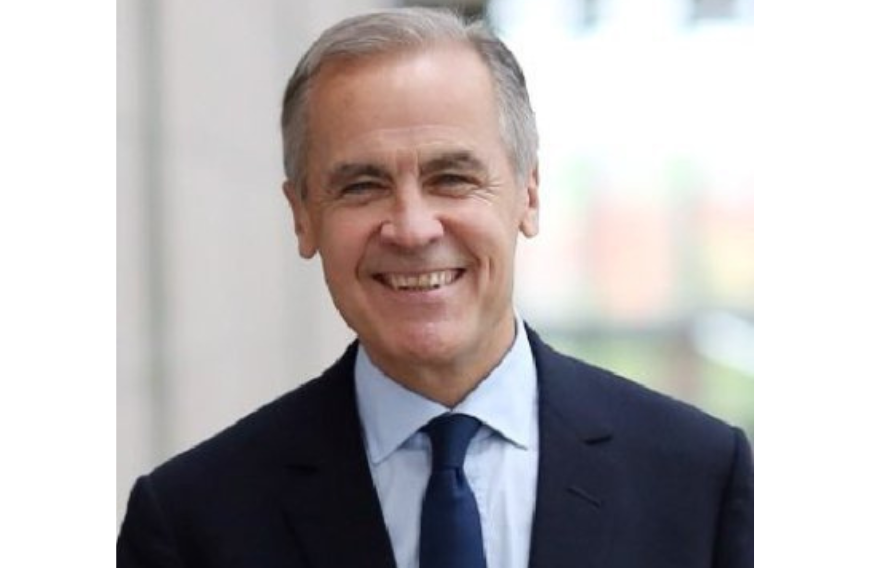
President Donald Trump used the stage at the World Economic Forum in Davos to vent his frustrations with the countries of the world. Prime Minister Mark Carney of Canada “should be grateful,” Trump said, a day after Carney delivered a blunt speech calling out “great powers” for weaponizing their economic might.
In his speech to global leaders and business elites, Trump touted what he described as a booming U.S. economy, claiming strong growth, reduced inflation, and robust tariff revenue, underscoring his “America First” agenda as a model for prosperity.
A central and provocative theme of Trump’s remarks was his long-standing push for the United States to acquire Greenland, a Danish territory. He described Greenland as strategically vital for North American and NATO security, while explicitly ruling out the use of military force. Trump said the U.S. should negotiate for Greenland’s control, asserting that only the United States could properly defend it — a stance that reignited diplomatic tensions with European allies.
READ: Awakened Canada: A New Global Force (
But apart from Greenland, Trump took time out of his speech to take issue with fellow leaders of the world. Calling out Carney by his first name, Trump said on Wednesday: “Canada lives because of the United States. Remember that, Mark, the next time you make your statements.”
He added that Canada “gets a lot of freebies” from the U.S., and that “they should be grateful.”
Trump also softened threats of tariffs tied to the Greenland issue, announcing a framework for future discussions rather than immediate penalties, a shift that helped calm markets and ease some allied concerns.
Beyond territorial debate, he criticized Europe’s policy direction, attacked green energy initiatives, and defended tariffs as tools to secure fairer trade and lower drug prices. His tone — mixing bold economic claims, geopolitical pressure, and personal commentary — drew both applause and sharp criticism from leaders and analysts alike, illustrating deep divisions over U.S. global leadership and its future role in international governance.
READ: Davos WEF: US pullback triggers funding crisis in Global Health Initiative (
The U.S. president also took a jab at France’s Emmanuel Macron wearing sunglasses, and Switzerland’s former president Karin Keller-Sutter, who, he said, rubbed him the wrong way.
Trump’s appearance at Davos underscored how sharply his worldview diverges from the cooperative tone the forum traditionally promotes. Rather than focusing on consensus-building or shared global challenges, his remarks reinforced a confrontational, transactional approach to international relations, one that prioritizes national leverage over multilateral goodwill.
Reactions at Davos suggested that while some audiences remain receptive to his unapologetic assertiveness, others view it as a source of uncertainty in an already fragile global environment.