


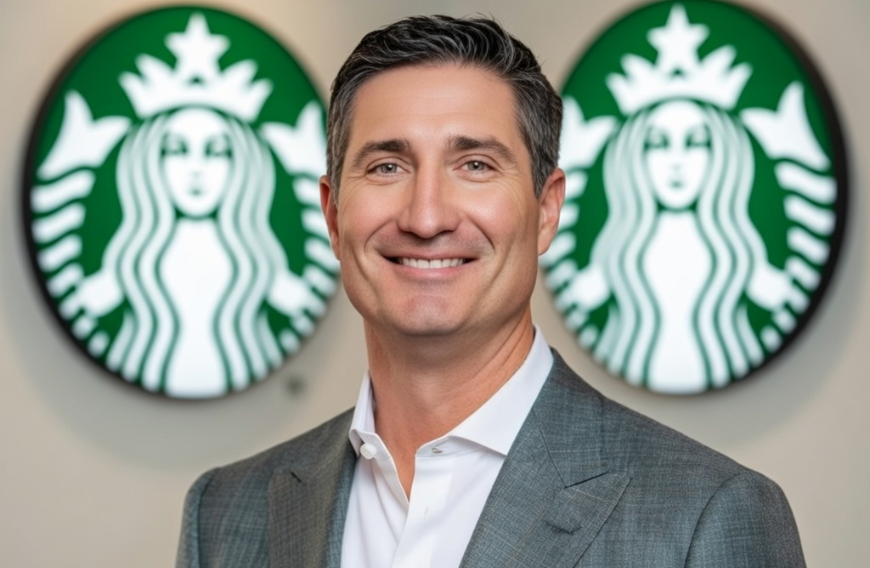
Starbucks has removed a long standing limit on how much its chief executive can use the company jet for personal travel, citing security concerns.
CEO Brian Niccol regularly flies the corporate plane nearly 1,000 miles from his home in Newport Beach, California, to Starbucks’ headquarters in Seattle. The company said the decision to drop the $250,000 annual cap was driven by safety considerations tied to his travel.
Under the previous policy, Niccol could use the jet for personal trips up to a set yearly amount. Any additional use required him to repay the company. That restriction was lifted in September, allowing unlimited personal use of the aircraft.
Starbucks said the cap was removed after a security review advised that Niccol use the company aircraft for all air travel, pointing to heightened media scrutiny and what it described as “credible threat actors.” The company added that the arrangement will be reassessed every three months.
The move comes as many U.S. corporations are stepping up protection for top executives following last year’s fatal shooting of UnitedHealthcare chief executive Brian Thompson.
READ: Starbucks to close 400 stores across the US (
In a separate filing, Starbucks said an assessment conducted by an independent third party had “determined that enhanced personal security measures were necessary for Mr. Niccol’s personal safety.”
As per that, it stated: “Given Mr Niccol’s chief executive role, the enhanced media attention to which Mr Niccol and Starbucks are subject, and the current threat landscape, the security study for Mr Niccol also recommended that Mr Niccol use private aviation for all air travel, whether for personal, commuting, or business purposes.”
Starbucks’ compensation committee proposed the change in September 2025, recommending that the annual limit be dropped in favor of a quarterly review of Niccol’s personal use of the aircraft. The board later signed off on the plan.
Niccol faced criticism soon after he was named Starbucks’ chief executive in the summer of 2024, replacing Laxman Narasimhan, when it emerged that he would be flying close to 1,000 miles on the company jet to commute to headquarters.
Some critics argued the arrangement clashed with Starbucks’ public messaging on sustainability, saying the travel raised questions about the gap between the company’s environmental commitments and the lifestyles of its senior leaders.
Niccol’s employment agreement made clear that he “would not be required to relocate to the company’s headquarters,” while also noting that “you agree to commute from your residence to the company’s headquarters… as is required to perform your duties and responsibilities.”
READ: Starbucks CEO wants stores to bring ‘Friends’ experience to life (
The document also specified that he could use the company jet for “business related travel” as well as for “travel between [his] city of residence and the company’s headquarters.”
Under the previous time-share arrangement, Niccol was required to reimburse Starbucks for any personal use of the jet above a $250,000 annual limit.
The third-party review also recommended additional safety measures given Niccol’s high profile and the company’s presence in Seattle, including a “dedicated car and driver service for ground transportation” when he travels to the city, where he also maintains a residence.
Niccol earned nearly $31 million in 2025, following a total compensation of more than $95 million the year before.
A company filing showed his total security costs were $1.1 million in 2025, along with $997,000 in expenses tied to his use of the Starbucks jet for commuting and personal travel.