


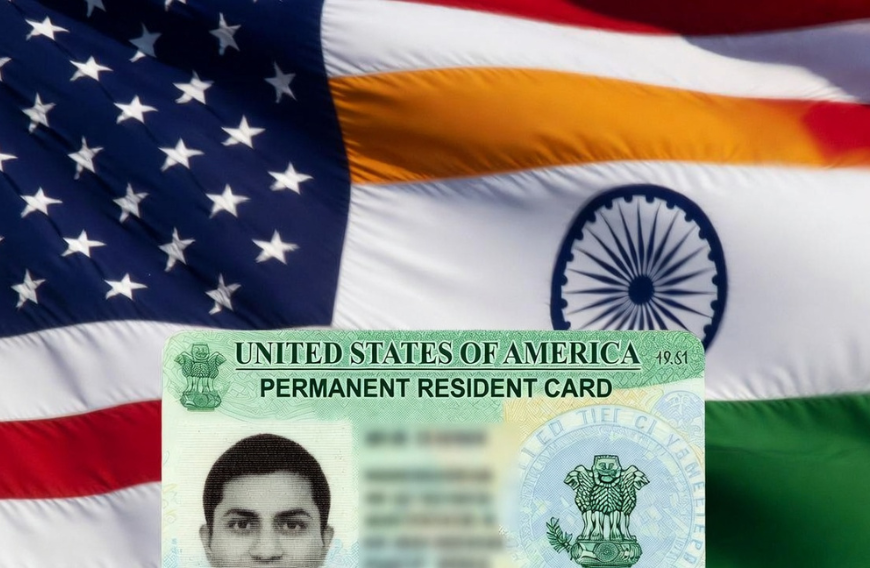
Certain pauses in visa processing can lead to thousands of unused green cards. When reallocated, these green cards spill over into employment-based categories.
“When spillovers happen, they move fast, and only well-prepared cases benefit. Everyone else watches the opportunity pass by.” – Immigration Attorney Swatilina Barik
A U.S. visa pause on 75 countries opened an unexpected dialogue in the visa community. Many immigration attorneys and visa experts began hinting at the possibility of freeing up as many as 50,000 employment-based green cards.
For green card hopefuls, this unexpected opening in the current restrictive immigration climate opened up a sliver of hope. Talks about a green-card forward movement has been gaining traction, as many believe that this movement can directly benefit Indian nationals who are currently in the longest wait line for permanent residency in America.
To unpack whether these ‘extra green cards’ can really bring some movement into an otherwise long, weary road to permanent residency in America, we talk to immigration attorney and director at Visa Architect Swatilina Barik.
Attorney Barik explains the spillover process and answers the important question of whether the number of 50,000 green cards is an estimate or based on some calculations.
READ: Reddit post sparks debate after Indian Green Card holder claims USCIS checked his LinkedIn (
American Bazaar: Can you explain how certain pauses in visa processing can lead to thousands of unused green cards? And where do these “extra” green cards come from?
Swatilina Barik: What people often interpret as “extra” green cards is actually a built-in reallocation mechanism in U.S. immigration law. Each year, the system sets a fixed number of family-based and employment-based green cards. When family-based numbers go unused in a fiscal year, they automatically roll over into the employment-based category.
This forward movement has a precedent in recent times, and many were able to see a fast-forward movement during the time of Covid-19. Can you tell us more about it?
During the COVID period, when consular closures and processing delays left a significant number of family-based visas unused, those numbers then flowed into the employment-based system. This resulted in temporarily increasing availability—particularly for countries like India that face the longest backlogs due to per-country limits.
What are the important factors that people who may experience a forward movement must keep in mind?
It is important to know that when these spillovers occur, Indian applicants may see faster movement in priority dates, sometimes by months or even years, depending on category and demand.
However, this relief is not permanent. It depends entirely on unused numbers elsewhere in the system and does not change the underlying backlog structure. For many Indian professionals, even a few months of movement can feel significant after waiting years—but it’s important to understand this is relief within the system, not a rewrite of it. So, while these reallocations can provide meaningful, short-term relief, they should not be viewed as the immigration system creating new green cards or as a guaranteed opportunity year after year.
READ: USCIS policy change alters green card path for children of H-1B visa holders (
There have been speculations about a spillover of about 50,000 green cards. Is this number an estimation or something based on a calculation?
That’s a fair question, and it’s worth unpacking it. The “50,000 green cards” figure isn’t something the U.S. government has announced or promised. It’s really an informed estimate, not a confirmed number. What’s driving it is how the system behaves when parts of it slow down.
When immigrant visa processing is paused or delayed for certain countries, some family-based green cards may simply go unused for the year. Under existing rules, those unused numbers don’t disappear—they roll over into the employment-based category the following year.
Based on how similar slowdowns have played out in the past, one immigration attorney looked at historical data and projected that the spillover could be in the range of 50,000. But that’s a projection, not a certainty.
The final outcome depends entirely on how many visas actually go unused and how processing unfolds over the rest of the year. In short, it’s a possibility grounded in past patterns—not a policy announcement or a guaranteed opportunity.