



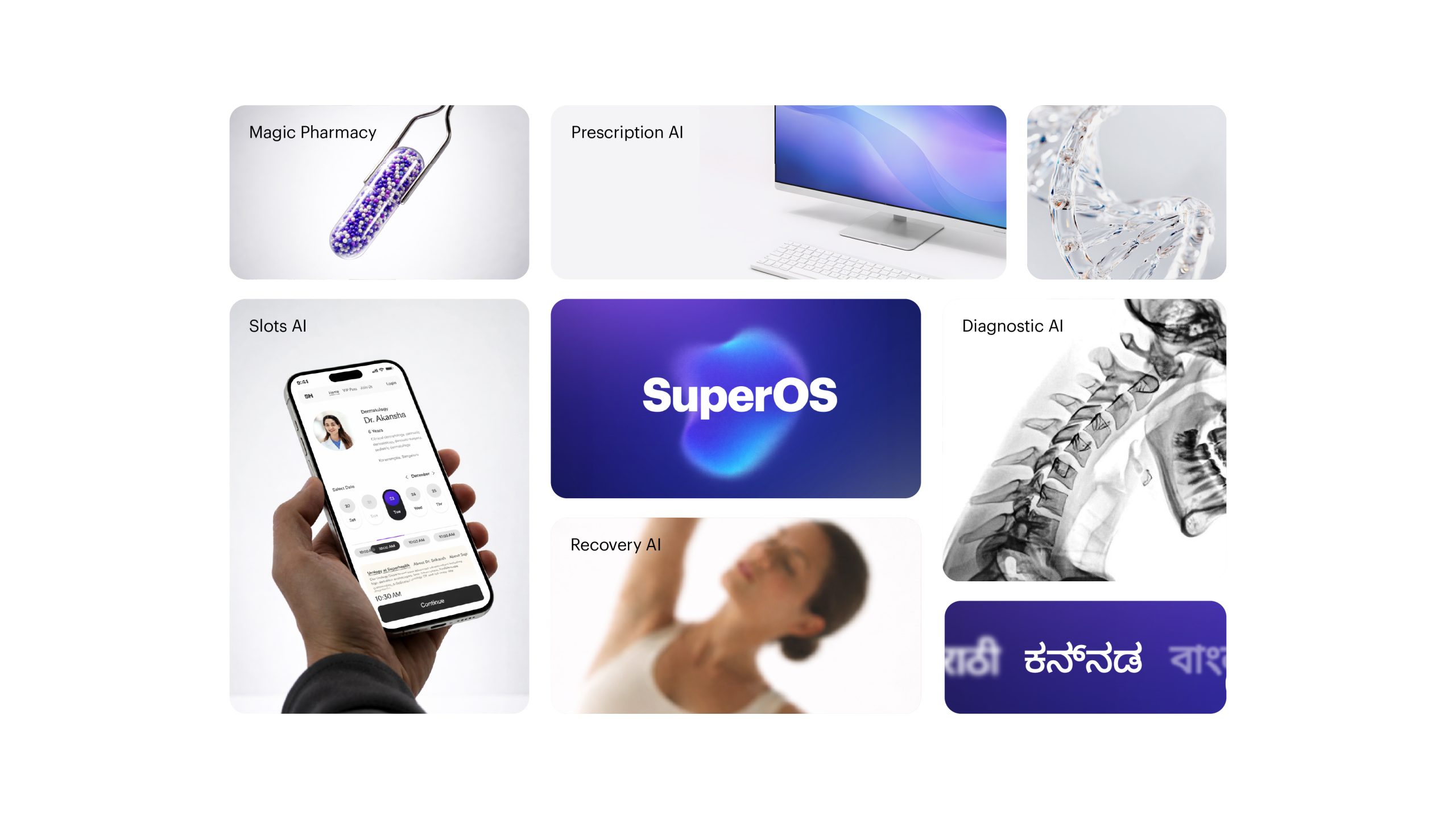
Superhealth has unveiled what it calls the world’s first agentic AI operating system built to run a hospital from end to end, marking a bold bet on India as a proving ground for large scale healthcare automation.
The new platform, SuperOS, is designed as a full stack system that touches nearly every part of hospital operations. From outpatient consultations and diagnostics to surgical workflows and discharge summaries, the company says the technology is meant to sit at the center of both clinical decision making and operational management.
“SuperOS is the world’s first agentic AI operating system built to actually run a hospital, from clinical decisions to operations, from labs to discharge, from OT assignments to auto prescriptions, it does it all,” said Varun Dubey, Founder.
He added, “It understands doctors, nurses, patients, and 15 Indian languages, and it orchestrates outcomes with humans and AI agents in real time. Only Superhealth could build this, because we are the only full-stack provider that designs, builds and operates hospitals while also building all the technology that runs them. This is not software that merely assists healthcare. This is technology that operates healthcare.”
The launch positions Superhealth in the same conversation as global efforts to embed AI deeper into hospital systems, though few companies have attempted to market a product as a full operating layer for entire facilities.
While many hospitals are experimenting with AI copilots, imaging tools, and workflow automation, Superhealth is presenting SuperOS as a unified system that connects clinical and administrative functions in real time.
READ: AAPI Health Summit 2026 showcases initiatives to strengthen Indian healthcare services (January 12, 2026)
The company says SuperOS acts as a hospital wide intelligent fabric, coordinating tasks between AI agents and human teams. In outpatient departments, it functions as an ambient clinical co pilot that surfaces patient history, assists with differential diagnoses, drafts prescriptions for physician approval, and coordinates medicines and lab technicians directly to the consultation room. The goal, according to the company, is to cut wait times and increase meaningful face time between doctors and patients.
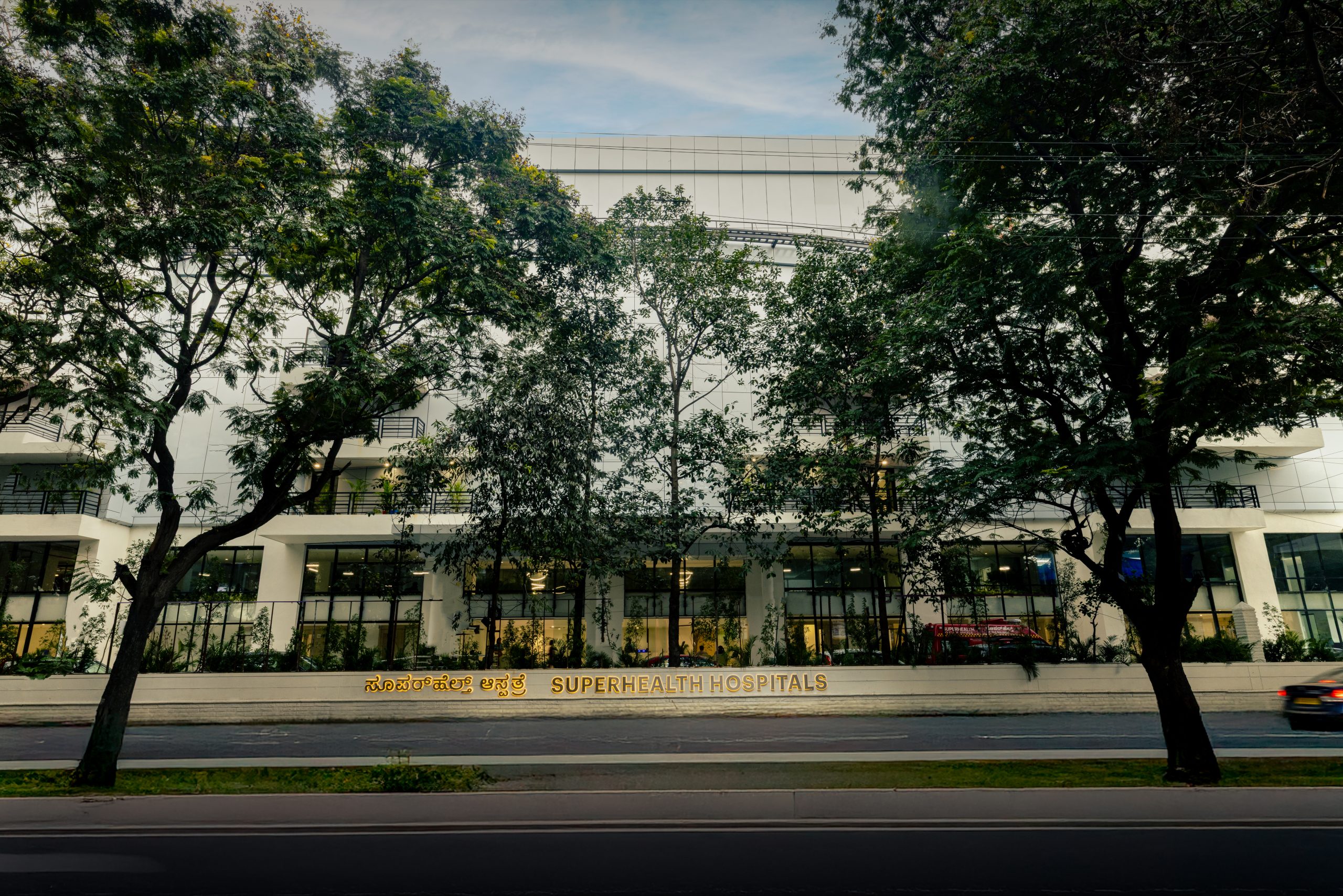
SuperOS is also integrated into radiology and pathology workflows. The platform replaces traditional PACS with cloud based imaging systems and uses instant 3D volumetric analysis to support detection in neurology, orthopaedics, chest trauma, and oncology. Superhealth says this reduces reporting time by 30 percent and effectively triples specialist capacity.
For in patient and surgical care, the system coordinates operating rooms, surgeons, and recovery workflows. It continuously monitors admitted and ICU patients using personalized alerts, automates discharge summaries through what the company calls “Magic Discharge,” and conducts real time audits across all clinical interactions to strengthen medical quality.
Dubey framed the launch as part of a broader national ambition. “India has a unique opportunity to show the world what real, meaningful healthcare AI looks like. SuperOS is built in India, for India using Indian clinical data. It is also deployed in India, and is focused on solving problems that matter to our country and our people.”
Superhealth says it is building a network of 100 hospitals anchored by full time senior clinicians, advanced infrastructure, and a zero commission business model aimed at transparency and simplicity. At the core of that expansion is SuperOS, which the company describes as running quietly alongside doctors and nurses while improving efficiency across consultations, diagnostics, surgery, pharmacy, and recovery.
As hospitals globally grapple with staffing shortages, rising costs, and burnout, Superhealth is making a sweeping claim that an AI native operating system can move from assisting care to operating it. Whether that model scales beyond India will be closely watched by healthcare systems in the United States and beyond.