


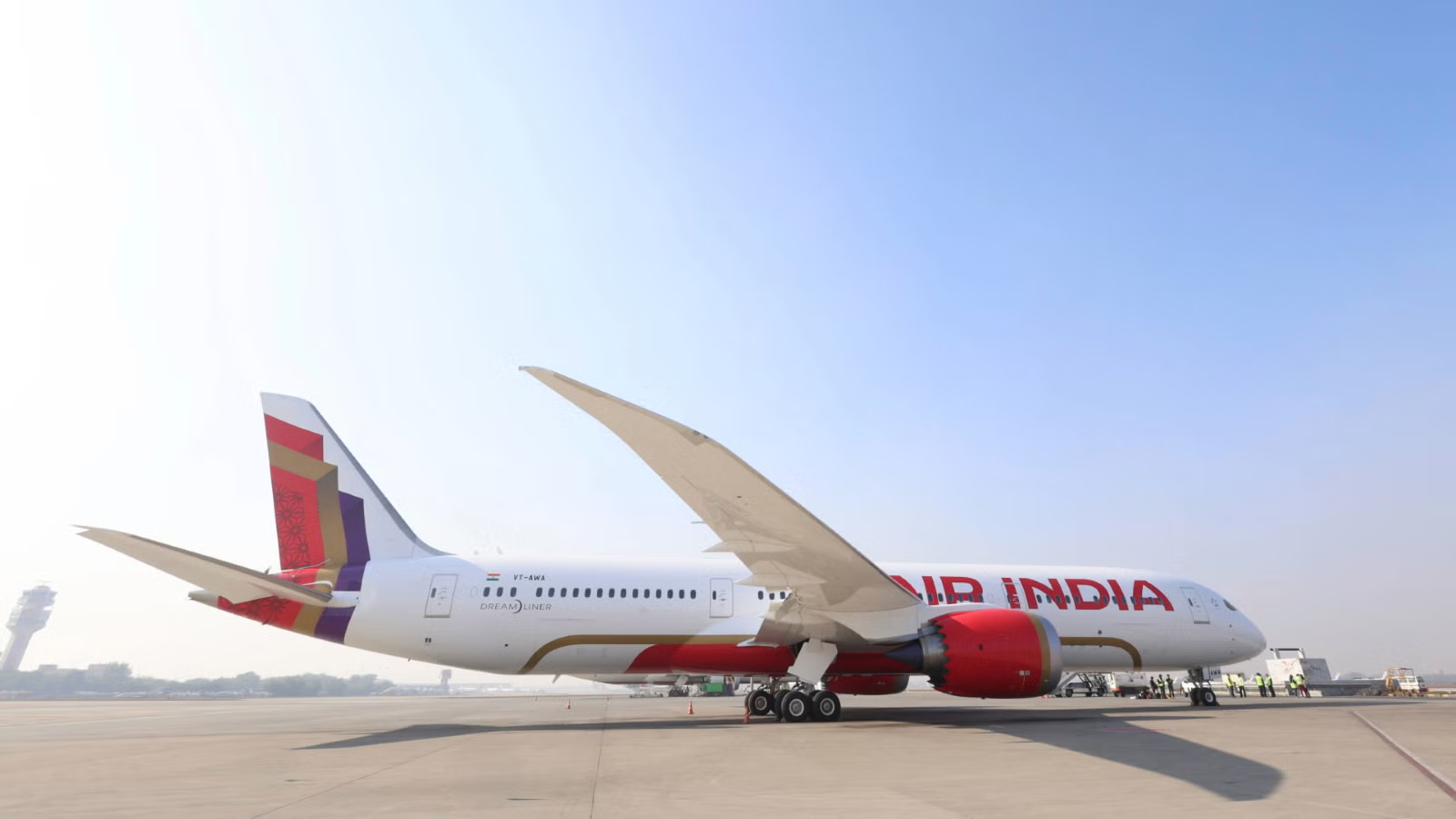
Air India is struggling with a significant surge in technical failures, with incidents like fuel leaks and engine warnings reaching a 14-month high in January. The spike comes as the Tata Group-owned airline struggles to balance its ambitious global expansion with the harsh reality of an aging fleet and a strained supply chain.
According to internal documents submitted to India’s civil aviation ministry, the carrier recorded 1.09 technical incidents per 1,000 flights last month. This figure represents a fourfold increase from the 0.26 rate reported just a month earlier.
For passengers, these statistics translate into tangible anxieties considering the engine oil leaks, flight control malfunctions, and even basic service failures, such as a Dubai-bound flight forced to turn back because of a lack of water in the lavatories.
The data paints a stark picture of the “recurring defects” plaguing the airline. A government analysis of 166 Air India aircraft found that 82.5% suffered from persistent technical issues. In contrast, IndiGo India’s airline market leader, saw similar issues in only 36.5% of its fleet.
For the flight crews and engineers on the front lines, the pressure is mounting. The airline, which was state-run until 2022, is currently navigating a “compliance culture” shift. CEO Campbell Wilson has noted that while the company has ordered over 500 new jets, global supply chain disruptions have delayed the arrival of these modern planes and the parts needed to fix the current ones.
Read: Air India CEO shuffle: Has the airline lost confidence in its leadership?
The human cost of these safety lapses remains a sensitive subject in the region, particularly following a tragic crash last year that claimed 260 lives. Since then, the airline has been under intense regulatory microscopes, both at home and abroad.
Recently, British aviation authorities questioned why a Dreamliner was permitted to depart London for India with a suspected faulty fuel switch, highlighting concerns that procedural discipline may be lagging behind growth.
In response to the January spike, Air India has launched targeted engineering strikes. The airline says it has initiated periodic inspections for its Airbus A320 fleet and replaced hydraulic hoses across its Boeing 777s to mitigate leakage. “Systemic improvements are being introduced across flight operations and engineering quality to prevent recurrence,” the airline stated in its report.
While the carrier points to a recent “decrease in operational incidents” like rejected takeoffs, the high frequency of mechanical failures remains a hurdle. For a brand attempting to reclaim its status as a premier global carrier, the path forward depends not just on the 500 planes of the future, but on the safety and reliability of the fleet carrying passengers today.