


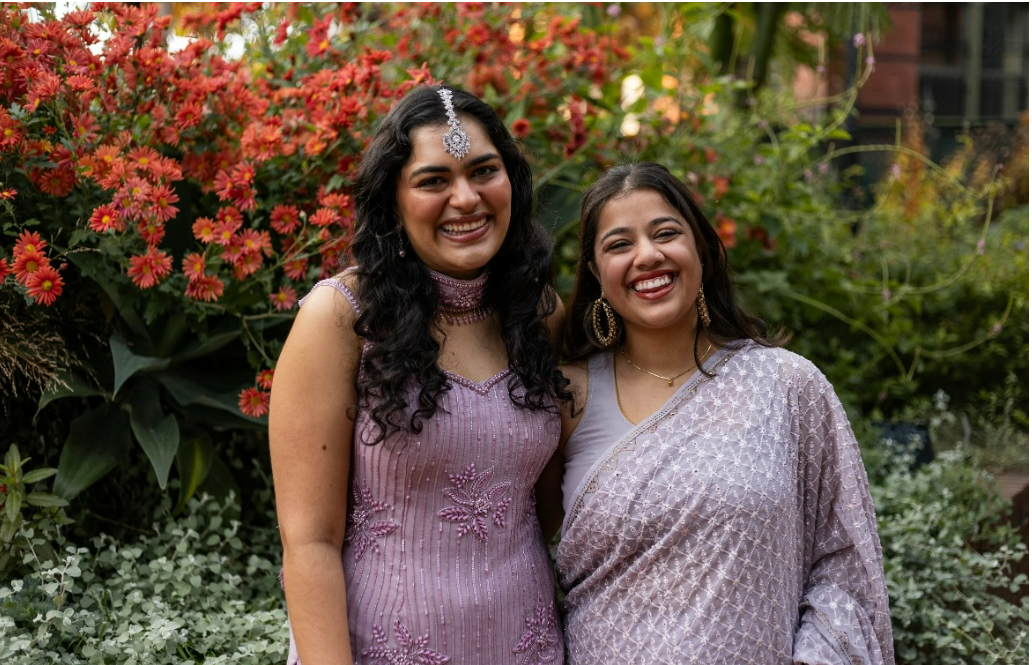
For Saanvi Padaki, the daughter of a glass artist, the creative spark was always a domestic staple. Growing up in a household where art supplies were more common than basic groceries, she found it jarring to encounter the persistent Western trope that South Asian families only value careers in medicine or technology.
Now a second-year student at George Washington University, Padaki of Indian descent is using her platform to ensure those outdated scripts are finally flipped. As a co-chair of GW’s 2026 South Asian Heritage Celebration (SAHC), Padaki joined forces with senior Maansi Chandra to launch a monthlong series of events under the theme “Unraveling the Past: Weaving What’s Next.”
The initiative seeks to deconstruct harmful stereotypes while highlighting the diverse, lived experiences of a diaspora that spans eight countries and hundreds of distinct languages.
The celebration, which kicked off on March 3, serves as a vibrant rejection of the idea that South Asian culture is a monolith. From the rhythmic intensity of the Raas Chaos and Bhangra Blowout dance competitions to collaborative discussions on complex social issues like colorism, the program reflects a community that is as introspective as it is celebratory.
University President Ellen M. Granberg praised the student-led effort, noting that the celebration honors the “unique histories” and “rich fabric” of South Asian identities. Granberg emphasized that the contributions of South Asian scholars, artists, and activists have shaped not only the university’s campus culture but the broader American landscape.
Read: Indian American scholars earn top honors at Asian studies awards
For the organizers, the celebration is an invitation to the entire Washington metro community. Events range from a matcha cart hosted by the Pakistani Students Association to interfaith discussions led by Sikh and Hindu student groups.
Chandra, a public health major, noted that the joy of the month comes from shared discovery whether it is finding a common childhood dish with a peer from a different region or attending a “mock shaadi” (wedding) for the first time.
The 2026 schedule is packed with immersive experiences, from a “South Asian Business Crawl” designed to support local entrepreneurs to a South Indian Cultural Night.
By centering storytelling and self-expression, the SAHC organizers hope to move beyond the “model minority” myth and showcase the genuine, messy, and beautiful reality of their heritage.
Ultimately, the celebration is about more than just a month of parties; it is about agency. By “unraveling” the tropes imposed upon them, GW students are weaving a new story one defined by their own voices and creative ambitions.