


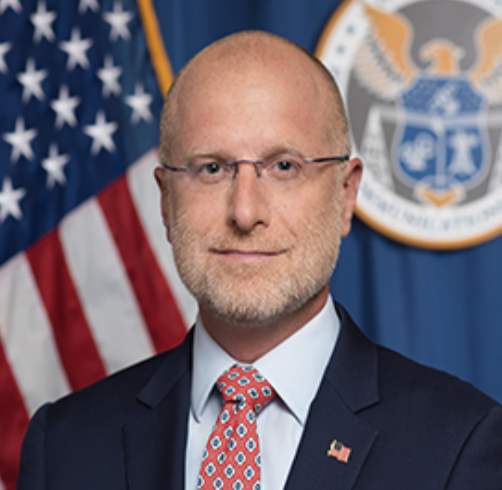
It looks like the Federal Communications Commission (FCC) of the United States is gearing up to put an end to overseas call centers. The Chairman of the FCC, Brendan Carr took to X to announce the FCC’s efforts to bring call centers back to the United States.
He wrote on X:
“Americans get frustrated when they call a U.S. business and end up speaking with someone at a call center located in a foreign country. Language & communications barriers only make it harder for callers to get the results they want.
So the FCC is seeking comment on several ideas that could help, including Facilitating the onshoring of foreign call centers
READ: Trump administration pushes for more control over NASA, CIA, FCC, and others (
Requiring operators at call centers to be proficient in American Standard English
Further cracking down on illegal robocalls from abroad through the use of targeted tariffs or bonds.
The FCC’s proposals focus on the call centers run by the communications providers regulated by the FCC. And could represent steps for the government to build on more broadly.”
Who is Brendan Carr?
Brendan Thomas Carr (born January 5, 1979) is an American lawyer and the Chairman of the Federal Communications Commission (FCC), the U.S. agency regulating radio, television, wire, satellite, and cable communications. He has served on the FCC since 2017, initially nominated by President Donald Trump and confirmed by the Senate, and was later renominated by President Joe Biden.
Carr was designated FCC Chairman on January 20, 2025, succeeding Jessica Rosenworcel. In this role, he leads the commission’s policy agenda, shaping telecommunications, spectrum management, broadband deployment, and media regulation.
Before becoming chairman, Carr worked in private practice focusing on telecommunications and media law and served as general counsel for the FCC. He earned a Bachelor’s degree in Government from Georgetown University and a J.D. magna cum laude from The Catholic University of America’s Columbus School of Law.
Under Carr’s leadership, the FCC has prioritized expanding high-speed networks, supporting infrastructure development, and reducing regulatory barriers.
What is the Federal Communications Commission (FCC)?
The Federal Communications Commission (FCC) is an independent agency of the United States government responsible for regulating communications by radio, television, wire, satellite, and cable across the country. Established by the Communications Act of 1934, the FCC’s mission is to ensure that communications networks operate efficiently, fairly, and in the public interest.
The FCC oversees a wide range of areas, including spectrum allocation for wireless services, broadband internet deployment, broadcast licensing, media ownership rules, and public safety communications. It also enforces regulations related to consumer protection, such as robocalls, accessibility for people with disabilities, and network neutrality policies.
READ: The perils of Trump’s proposed tariff trade war (February 6, 2025)
The commission is led by five commissioners, including a chairman, all appointed by the U.S. President and confirmed by the Senate, with no more than three commissioners from the same political party to maintain balance. The FCC plays a key role in expanding broadband access, supporting technological innovation, and ensuring that communications infrastructure serves all Americans, including rural and underserved communities.
Through its regulatory, licensing, and enforcement powers, the FCC has a significant impact on the telecommunications and media industries, shaping how Americans access information, entertainment, and essential communications services.