



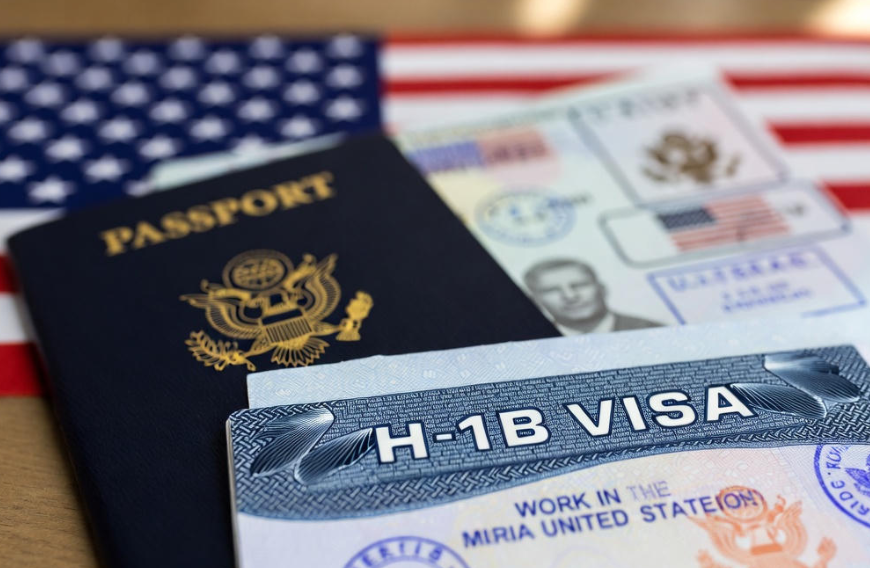
A newly introduced immigration proposal in the United States is putting the spotlight back on the future of the H-1B visa program. Known as the Welcoming International Success Act, or WISA Act, the bill was introduced in the U.S. House of Representatives with the goal of reversing several restrictions imposed on the program during President Donald Trump’s second term.
If passed, the legislation would ease some of the tougher rules implemented in 2025, which significantly tightened eligibility and hiring requirements.
Lawmakers backing the bill argue that the changes are necessary to help American companies, universities, and research institutions recruit highly skilled foreign professionals more easily, particularly in fields such as technology, science, and research.
READ: What is EXILE Act? Congressman introduces bill to eliminate H-1B (
The WISA Act seeks to roll back parts of an immigration proclamation issued by Trump in September 2025 that significantly tightened rules around the H-1B visa program. The order introduced stricter wage requirements and added a $100,000 fee for employers sponsoring H-1B workers, a move that drew criticism from industries that depend heavily on international talent.
Supporters of the new bill argue that those measures created major hurdles for U.S. businesses and academic institutions trying to recruit skilled professionals from abroad. Bonnie Watson Coleman, who introduced the legislation in the U.S. House of Representatives, said the H-1B program plays an important role in connecting American employers with global expertise that fuels innovation and economic growth.
“Trump’s shortsighted proclamation has created significant barriers for U.S. employers, universities, hospitals, and research institutions that rely on highly-skilled professionals,” she said.
If approved, the WISA Act would remove or scale back several of those restrictions, making it easier for employers to sponsor highly skilled foreign professionals in sectors such as technology, engineering, medicine, and scientific research.
READ: Trump backed Save America Act passes House (
The proposal arrives at a time when Washington is deeply divided over the future of the H-1B visa program and the broader direction of U.S. immigration policy.
While the WISA Act is designed to ease hiring for highly skilled foreign professionals, other lawmakers are pushing for far stricter measures. One such proposal is the EXILE Act, introduced by Republican congressman Greg Steube, which calls for phasing out the H-1B visa program altogether by 2027 in an effort to prioritize American workers.
Business groups, universities, and research institutions have pushed back against such proposals, warning that cutting off access to global talent could weaken U.S. innovation and slow economic growth, particularly in industries already facing skill shortages.
For now, the WISA Act remains in the early stages of the legislative process. Like any federal bill, it must pass both chambers of Congress and receive the president’s signature before it can become law. Until that happens, the existing H-1B rules will continue to apply.
1 Comment
What a bunch of garbage. Just an attempt by an ole coot who’s skin is dark trying to defend a race if people who have been perfecting their scam to work for less to bring it home while hurting our American work force. I know. I’ve been working for one of these so called highly specialized outsourcing companies for years. It’s wall to wall BS and arrogance along with laughter during their demise with our Presidents new policies to stop this nonsense. She’s 82 years old with dark skin and a democrat; what else does she have to do with her time before retirement…