



By Jayujyoti Mullick
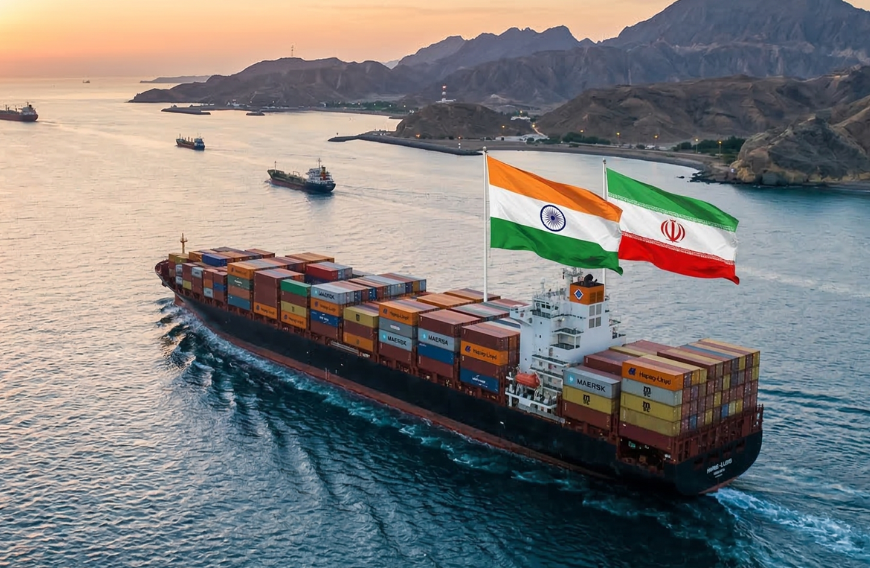
Indian External Affairs Minister Subrahmanyam Jaishankar said he is cautiously hopeful that diplomatic engagement with Iran will help ease disruptions affecting Indian-flagged vessels in the Strait of Hormuz, one of the world’s most important routes for global energy shipments.
“I am at the moment engaged in talking to them and my talking has yielded some results,” he told the Financial Times.
Jaishankar said discussions were moving forward but made it clear that New Delhi has not secured any comprehensive agreement with Tehran for the movement of all Indian ships.
He stressed that there was no “blanket arrangement” for every Indian vessel to pass through the narrow waterway, which remains a key oil shipping channel.
READ: India faces energy risks as Hormuz closure disrupts global oil flows (
His remarks come as tensions in the Middle East continue to disrupt maritime traffic through the strategic strait, which carries about one fifth of the world’s oil trade. Shipping activity in the corridor has been heavily affected by the ongoing confrontation between Iran and the United States and its allies, leaving hundreds of vessels waiting outside the channel.
Two Indian-flagged gas tankers were able to pass through the strait on March 14 after talks between New Delhi and Tehran showed progress. However, twenty-two Indian-flagged vessels are still waiting for clearance to move through the channel.
Indian officials say the diplomatic outreach reflects New Delhi’s effort to safeguard energy supplies and ensure the safe movement of commercial ships. India depends heavily on oil imports that travel through the Persian Gulf.
READ: Could Iran tensions threaten the Strait of Hormuz again? (
From Washington’s perspective, the disruption has become a key issue in its broader confrontation with Tehran. President Donald Trump has called on international partners to help reopen the Strait of Hormuz and warned that the United States cannot secure the crucial shipping route on its own.
Trump has also defended the rise in fuel prices caused by the crisis, saying higher oil prices can benefit the U.S. and are part of the cost of confronting Iran’s military capabilities.
The United States has already carried out large-scale strikes on Iranian military infrastructure linked to attempts to disrupt shipping in the region. Washington has also signalled that it could escalate military action if the waterway remains blocked.
For India, however, diplomacy remains the preferred path. Officials say New Delhi will continue its engagement with Tehran in hopes of gradually restoring normal shipping through one of the world’s most critical maritime chokepoints.