



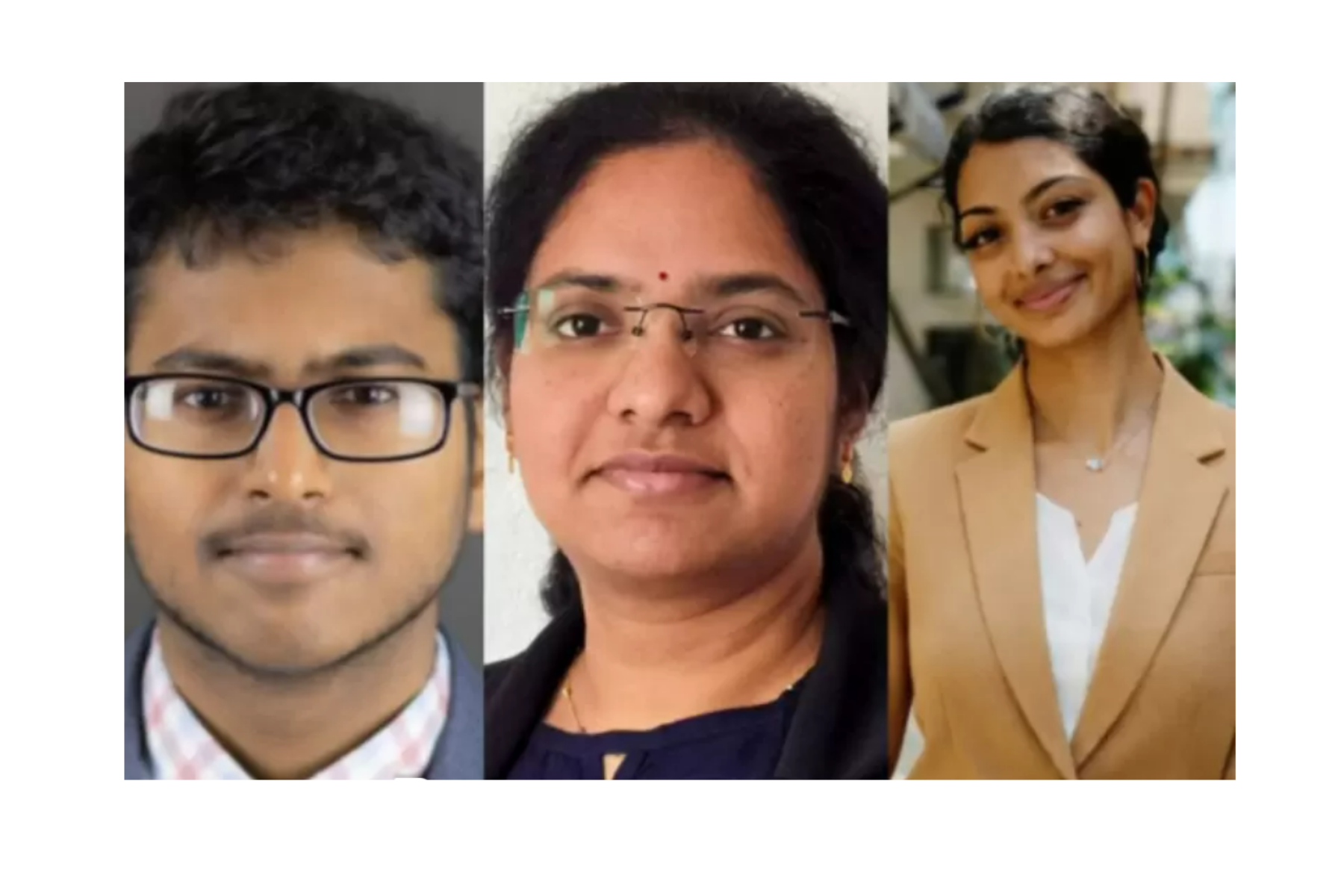
When Sindhura Anumolu walked into her management science classes at the University of Texas at Dallas, she brought more than just a notebook; she brought a decade of experience from the corporate trenches of India and the U.S. tech sector.
Today, that blend of heritage and ambition has earned her a spot as a pioneer in the university’s inaugural Startup Founders Award program. Anumolu, a graduate student at the Naveen Jindal School of Management, is among the first recipients of the $5,000 grant funded by the Draper Foundation.
Her venture, HelioOps, is a mobile AI platform designed to help mid-sized hospitals maximize bed capacity. It is a solution born from the analytical rigor she polished at UTD, but its roots trace back to her foundational years in India and a career that saw her navigating complex data at Cisco and Dell.
“I saw firsthand how data-driven decisions transform business outcomes,” Anumolu said. “The problem of hospital bed shortages was too urgent to just write a paper about.”
Joining her in this elite first cohort is Narasimha Sainikhil Marisetty, a computer science senior at the Erik Jonsson School of Engineering and Computer Science.
Read: Indian American students create health care guide for new immigrants
Marisetty is the architect behind CoachVision.ai, a virtual coach that uses a smartphone camera to help athletes refine their form. For Marisetty, the award represents more than just seed money; it is the bridge between a theoretical algorithm and a tangible product for the sports world.
The program also recognized Meerrah Ganeshram, further highlighting the significant impact of the Indian American community within the university’s entrepreneurial ecosystem. These students represent a growing trend of “Comets” who refuse to wait for graduation to make their mark.
The Startup Award Program provides a structured eight-week pathway involving weekly workshops, mentorship from industry veterans, and milestone-based funding. For students like Anumolu and Marisetty, the initiative offers the “runway” needed to pivot from student researchers to chief executives.
The success of these Indian origin founders underscores the deep ties between the university and the Indian diaspora. From the Naveen Jindal School of Management’s namesake to the numerous scholarship endowments from Indian American families, the connection is a cornerstone of the campus culture.
By focusing on critical gaps in healthcare and technology, these students are proving that the next generation of American innovation is being written by those who carry a global perspective in their DNA. As Anumolu advises her peers, the goal is to use every project as fuel. For this group, that fuel is already igniting the North Texas startup scene.