



By Mohammad Akhlaq Siddiqi
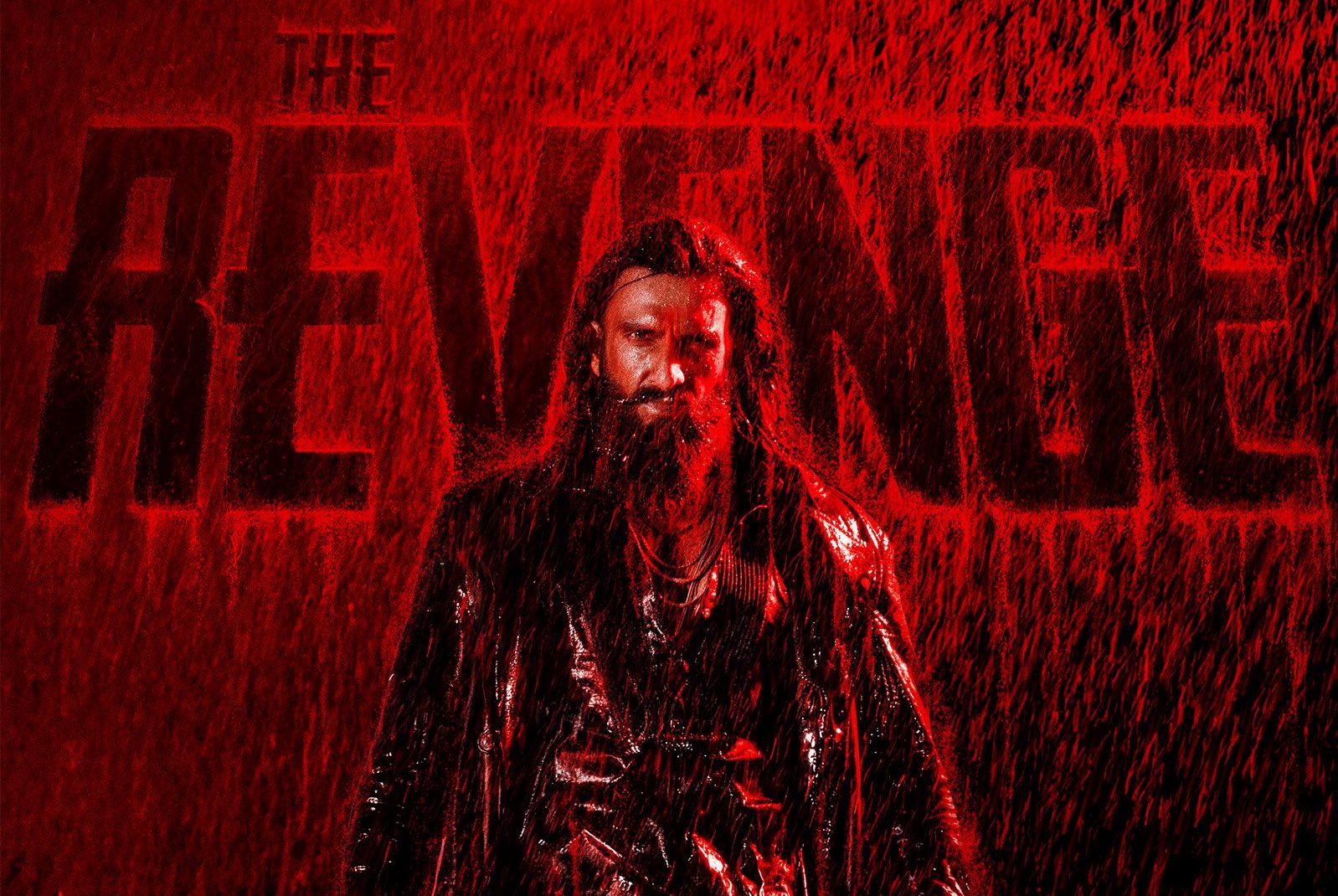
As Dhurandhar: The Revenge shatters box office records in early 2026, it has ignited a fierce national debate: is this a tribute to Indian intelligence or a high-budget political pamphlet?
While supporters hail it as a bold portrayal of a “New India,” a deeper look suggests the film functions as a masterclass in State-Inscribed Narratives, where the boundary between government rhetoric and popular culture is intentionally dissolved.
Cinema or campaign?
The film follows an undercover agent through Pakistan, but its narrative beats feel less like a spy thriller and more like a curated highlight reel of the ruling party’s agenda. By weaving actual archival footage—specifically the 2016 demonetization speech—into the plot, the movie anchors its fictional heroics in real-world partisan politics. It doesn’t just support the government; it acts as a cinematic transcript of its slogans. The dialogue often echoes the Prime Minister’s “New India” tropes, reinforcing the idea that India will now “enter homes to kill” (ghar mein ghus kar maarenge).
READ: How Dhurandhar became a diaspora blockbuster (March 8, 2026)
The “othering” of identity
The film has been heavily criticized for its binary worldview and its systematic vilification of “the other.”
The Foreign Threat: Pakistan is depicted not just as a geopolitical rival, but as a monolithic villainous entity. By using religious imagery to heighten the “us vs. them” sentiment, the film creates a “good vs. evil” dynamic rooted in faith.
The Internal Enemy: Academically, this is known as transposition. By linking domestic dissenters—students, NGOs, and opposition figures—to foreign terror networks, the film justifies controversial domestic actions like “bulldozer justice” and economic suppression as necessary for national survival.
READ: Who Is Jasmine Sandlas? Indian American singer goes viral with ‘Jaiye Sajana’ from Dhurandhar (March 25, 2026)
The aesthetics of majoritarianism
Dhurandhar employs what scholars call “Grit Aesthetics” to sanitize state violence. By presenting extrajudicial actions—such as the targeted destruction of homes—as moral necessities, the film functions as a psychological primer for the audience. The protagonist is not merely a soldier; he is a personification of the state’s “will to power.”
Furthermore, the film creates a “post-truth” reality. It rewrites complex events, like the fallout of demonetization or the 26/11 attacks, into simplified heroic triumphs. While investigative reports provide a nuanced reality regarding “fake money” and terror funding, the film offers a sanitized, victorious version that serves a specific political goal: selling fear to provoke a nationalist response.
Conclusion: A legacy of division
From an academic and critical standpoint, Dhurandhar is more than a movie; it is an artifact of Digital Authoritarianism. It uses high production values and emotional manipulation to turn the movie theater into a site of political indoctrination. When cinema becomes a mirror for state rhetoric, it ceases to be art and becomes a tool for social division. The film’s legacy will likely be studied not for its craft, but for how it successfully turned a nation’s cinematic appetite into a political weapon.
(Mohammad Akhlaq Siddiqi is a long-time resident of the Washington, DC, area. His interests include politics, films, and the stock market.)
Read more from Mohammad Akhlaq Siddiqi:
The diplomatic shift: Why JD Vance’s possible Pakistan mission signals a turning point in the Iran conflict (March 27, 2026)