


The past few months have shown that there has been an almost unprecedented rise in stringent immigration regulations and checks. From secondary checks to a rise in Request For Evidences (RFEs) – immigration experts maintain that the system is scrutinizing everyone from visa holders to even citizens with an almost renewed intensity.
Malavika Nandivelugu, immigration case manager at San Jose-based Law Offices of Kevin J. Stewart, was recently referred to a case which highlighted how often unfamiliarity with the legal system can work against an individual. It can completely quash their chances of living their American Dream.
She cautions immigrants, especially F-1 visa holder students, to be particular about immigration laws and be extremely prudent of their actions both on campus and off-campus as a single careless slip can sometimes cost them their entire careers. She says, “I recently was asked to consult in a case involving an Indian student, who was unfortunately deported.”
READ: ‘Benefit India and H1Bs’: Row erupts over Ramaswamy’s education vision (March 28, 206)
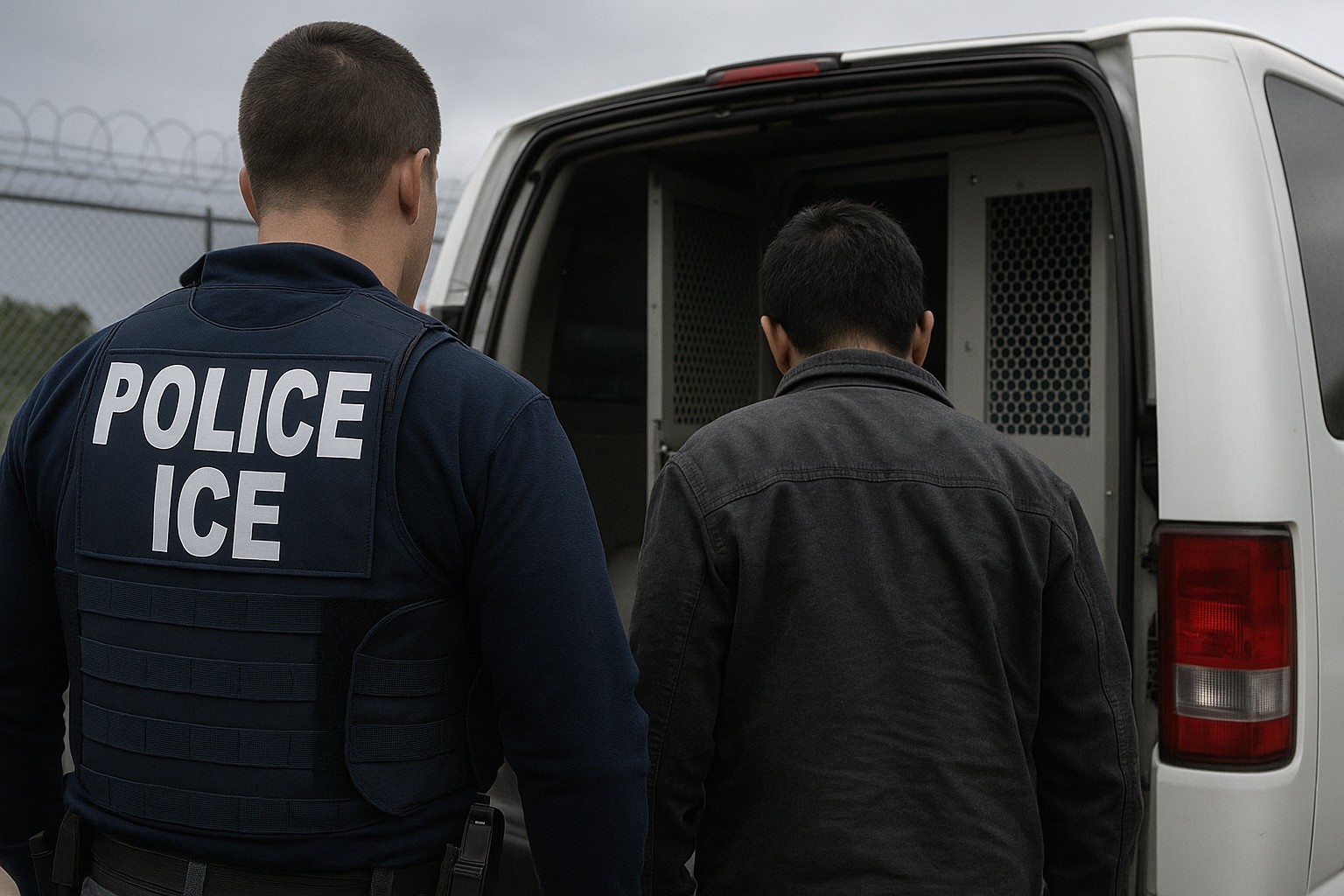
Talking about the case, Nandivelugu elaborated, “This case involved an Indian student who completed their master’s from a reputed U.S. university and was currently working on OPT. A few days ago, he was deported as he was trying to return to the U.S. after a brief vacation in India. I am sharing the case as it is important for people to realize that sometimes, even after a clean record, a single misjudgment of a situation can lead to fatalistic results for their future as immigrants in America.”
The immigration attorney added, “So the student had a clean record. He was a meritorious student and during his entire F-1 stay, he abided by the law. He had no record of any wrong brush with the law, not even a DUI. He had no history of any illegal employment, so it definitely puzzled me why then he was deported with a five-year ban after a secondary inspection by the CBP at a U.S. airport.”
She added, “As we began putting the pieces together, I asked him to share with me every single detail and question he was asked. He responded with honesty to every question asked about his university, his education, his work. His phone search also did not show anything incriminating; everything from his messages to location aligned with what he said to the inspecting officers.”
Nandivelugu said the student also handled a seemingly unusual question during inspection. “He was also not thrown-off by a seemingly curious question the officers asked him – ‘why he had a picture of Doordash food delivery on his phone?’” He was able to confidently navigate that too by explaining that it was food delivery for a friend and he had a picture to make sure it reached the right place.”
Despite navigating such questions, the outcome changed over a single response. On why he
was deported, the immigration expert said, “One answer, did it for him.” She added, “He was
asked if he had ever used weed? And he said, yes. I believe that single statement was enough.”
READ: ‘Change your name’: Indian American influencer Priya Patel trolled after social video goes viral (March 27, 2026)
She said that response proved decisive because of a widely misunderstood legal distinction. “There is a legal reality that many do not comprehend fully. Legality at the state level, means nothing in immigration context. Under federal law, marijuana is still illegal. As an F-1 student admitting to use – even casually, even once can destroy your immigration status.”
She noted that this guidance is not new. “Interestingly this is nothing new. This is told clearly to students during orientation session but unfortunately most do not pay attention.”
To explain further, Nandivelugu cited federal law: “Under the Immigration and Nationality Act 212(a)(2)(A)(i)(II): “Any alien convicted of, or who admits having committed, or who admits committing acts which constitute the essential elements of a violation of any law or regulation relating to a controlled substance is inadmissible.”
She emphasized that even statements alone can carry legal consequences. “Admission alone can be enough. Immigration law explicitly includes admissions, not just convictions. CBP often asks: “Have you ever used marijuana?” If the student says, yes, that alone can trigger the act.” She also pointed to another provision: “Also, as per Immigration and Nationality Act. 237(a)(2)(B)(i): “Any alien who at any time after admission has been convicted of a violation of any law or regulation relating to a controlled substance is deportable.”
READ: Entrepreneur Ethan Agarwal urges Trump to reconsider Iran immigration ban (March 27, 2026)
Outlining the risks, Nandivelugu said the consequences can be immediate and long-term. “At the airport, it can lead to visa cancellation, expedited removal or a 5-year ban or immediate deportation. As for the status issues inside the U.S. it can lead to, F-1 status violation findings, leading to a denial of STEM OPT or change of status to H-1B etc. as well as adjustment of status or green card.”
She urged international students to exercise caution. “If you are an international student, do not go to dispensaries, stop assuming that it is legal here, so it is okay to do this. More importantly, stop taking risks you do not fully understand. Get your priorities straight. You have come here with an opportunity, many were vying to get, so be responsible.”
According to her, the safest approach is straightforward. “Never to take controlled substances including CBD. Although there is a grey area involving CBD where apparently below 0.3THC may be okay but it is better not to risk. So, do not jeopardize your chances.”