



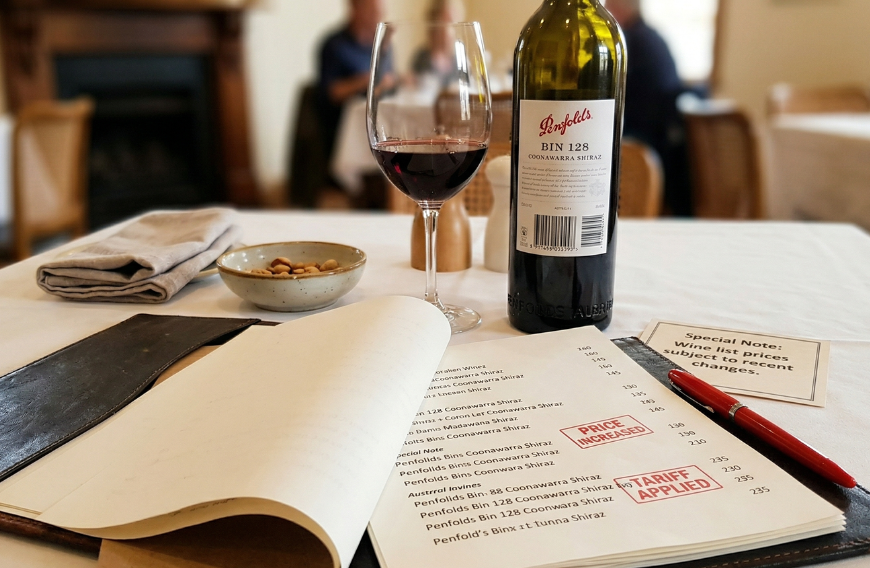
U.S. hospitality firms are rewriting menus and restocking their retail shelves with cheaper options, because of tariffs imposed on imports from alcohol-producing regions like Europe since last year, according to a Reuters report.
Wine director Kristen Goceljak revealed that certain champagne and Crémant brands that were once staples are being taken off the menu in restaurants owned by New York-based Kent Hospitality Group.
The Trump administration had imposed 15% tariffs for many European goods in August 2025. While many of those tariffs were overturned by the U.S. Supreme Court earlier this year, they were replaced by new tariffs that ensured those goods would incur a 10% surcharge.
Goceljak, who is responsible for buying wines to serve across Kent Hospitality Group’s fine dining restaurants, bars and members’ clubs noticed in February that one champagne she purchased to serve at private events had risen by around $5 a bottle at her wholesaler. A Crémant brand from the same wholesaler had risen by around $3 per bottle, she said, adding that a growing number of other suppliers had notified her of price increases of as much as 20% this year.
READ: Proposed caffeine safety bill gains momentum after Sarah Katz case (March 25, 2026)
Goceljak said that she planned to switch out brands of Crémant or champagne, which can only be made in France, as well as other long-standing labels, since they were “just too expensive.”
While President Donald Trump’s tariffs had an immediate effect on vast alcohol shipments to the United States, many producers managed to stave off price rise by shipping off stock in bulk ahead of time, or taking the hit themselves. However, those strategies are starting to run their course.
“The pressure to pass through costs is mounting,” said Lance Emerson, SVP of Commercial Finance at Republic National Distributing Company, one of the top U.S. wholesalers, adding the shift was more pronounced in wine, whereas spirits makers have greater ability to absorb tariffs in their margins.
Retail shelf prices on some imported wine brands already climbed 5-12% in 2025, and more pronounced increases from further suppliers were expected in 2026, he said.
Emerson also said restaurants are changing cocktail and wine lists towards lower-cost options, while retailers are cutting back on the range of products they sell and balancing imported options with domestic alternatives.
READ: Is Coca-Cola shifting to real sugar in drinks not a good thing? (July 23, 2025)
Francis Creighton, CEO of trade body Wine & Spirits Wholesalers of America, said its members were helping customers refresh their wine lists and cocktail programs, including by offering domestic alternatives. Some U.S. brands also seem to have benefitted from the rise in prices for imported wine brands. California wine brand Josh Cellars saw sales rise 8.3% in the 13 weeks to mid-March, while the wine category was down 3.6% – a performance that Dan Kleinman, chief marketing officer at brand owner Deutsch Family Wine & Spirits, at least partly puts down to tariffs on imported rivals.
Wife and the Somm, a restaurant in Los Angeles, has swapped out some Old-World European wines on its “by the glass” menu for domestic brands, owners Chris and Christy Lucchese said, while also mentioning that the prices of European artisanal cheeses and meats they stocked also jumped dramatically.