



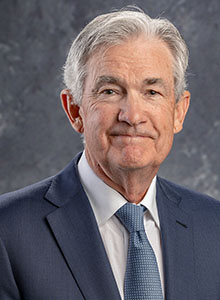
Federal Reserve Chair Jerome Powell said that he does not currently see a risk of contagion in private credit markets that could spill over into the broader financial system, though the Fed is monitoring developments closely. Speaking at Harvard University, Powell explained, “We’re looking for connections to the banking system and things that might, you know, result in contagion. We don’t see those right now.”
Powell added that what is unfolding looks more like a market correction, with some investors losing money, but not the makings of a systemic crisis.
READ: Trump threatens to sue Federal Reserve Chair Jerome Powell for incompetence (December 30, 2025)
Investor withdrawals have driven recent turbulence in private credit markets after a merger involving Blue Owl Capital was called off, sparking a wave of redemption requests. At the same time, concerns have grown that artificial intelligence could disrupt traditional software business models, raising the risk of defaults among firms once considered stable. Many private credit lenders hold bonds tied to software companies, amplifying the unease.
Powell also addressed monetary policy, noting that interest rates are in a “good place” to respond to the oil price shock stemming from conflict in the Middle East. “No one knows how big it will be,” he said, emphasizing that it is too early to gauge the full impact. He pointed out that the Fed’s stance allows room to wait and assess developments.
Reflecting on inflation pressures over the past six years, Powell cited the pandemic, tariffs, and now oil prices as key shocks. He estimated tariffs are adding between 0.5% and 1% to inflation, but described this as a one-time adjustment. Without tariffs, inflation would be closer to 2%, compared with the current 3% reading of the Fed’s preferred gauge, the core Personal Consumption Expenditures index.
READ: Central banks rally behind Fed chair Jerome Powell amid clash with Trump (
Separately, New York Fed President John Williams, who serves as vice chair of the Federal Open Market Committee, echoed Powell’s view that rates are well-positioned. Williams said the recent spike in oil prices will likely lift inflation in the near term but expects the effect to fade later this year if hostilities ease and prices retreat.
Powell cautioned that the war could still push inflation higher through rising commodity and intermediate costs, while weighing on growth. Even so, Williams projected GDP growth of 2.5% in 2026, supported by fiscal policy, favorable financial conditions, and investment in AI. He forecast inflation at 2.75% this year, returning to 2% next year, and predicted the unemployment rate will edge lower thanks to strong economic momentum.