


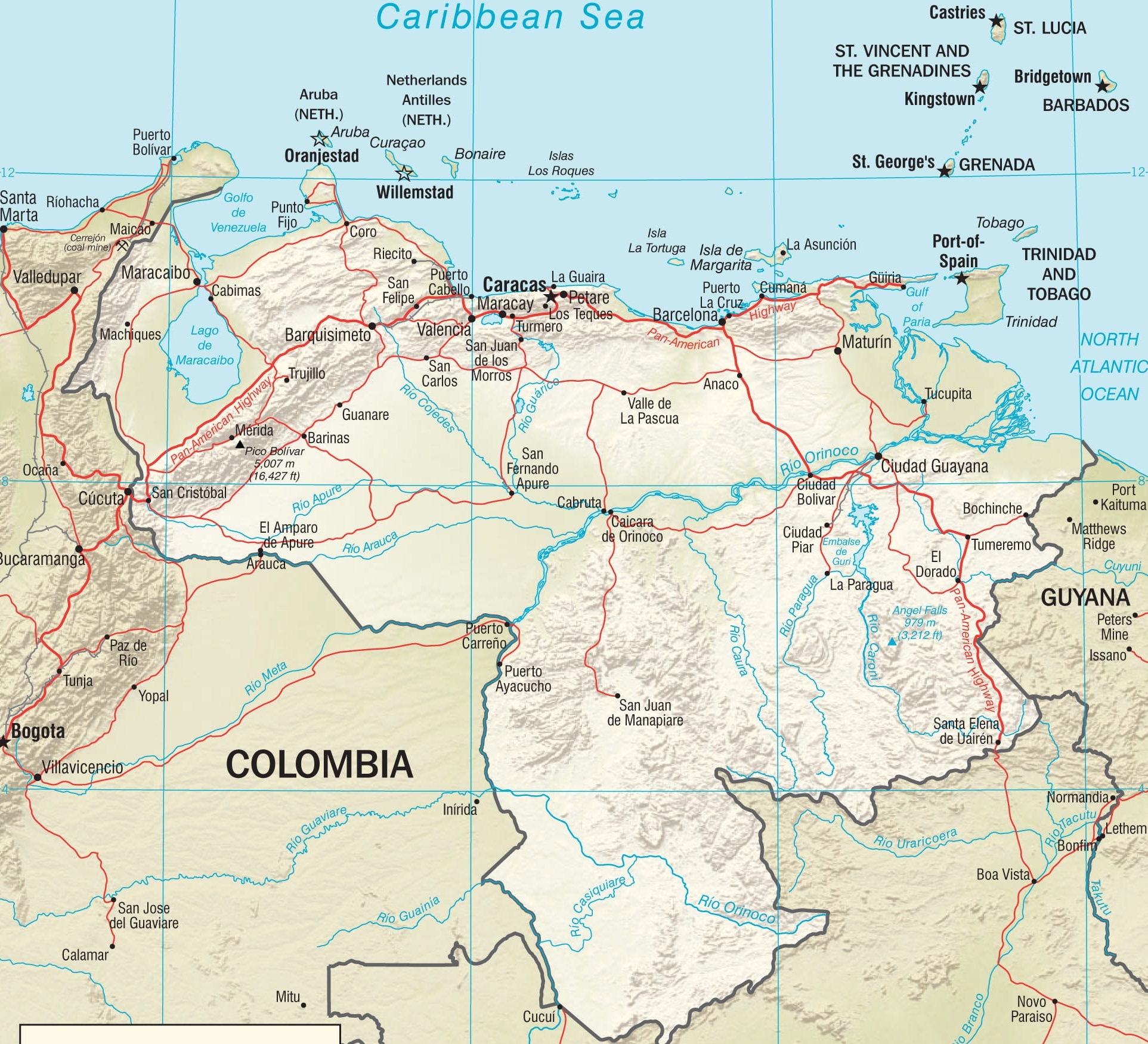
The United States is returning to business in Venezuela after their extraction of former Venezuelan President Nicolas Maduro. The U.S. formally resumed operations at its embassy in Caracas on Monday, reopening a diplomatic presence in Venezuela for the first time since 2019 as the Trump administration advances its broader plan for the country.
“Today, we are formally resuming operations at the U.S. Embassy in Caracas, marking a new chapter in our diplomatic presence in Venezuela,” the State Department announced Monday.
“The resumption of operations at U.S. Embassy Caracas is a key milestone in implementing the president’s three‑phase plan for Venezuela and will strengthen our ability to engage directly with Venezuela’s interim government, civil society, and the private sector.”
READ: Venezuelan President Maduro captured, fueling uncertainty in global oil markets (January 3, 2026)
As per Fox News, the reopening follows the January arrival of U.S. Ambassador Laura F. Dogu in Caracas as chargé d’affaires.
“Ambassador Dogu’s team is restoring the chancery building at the U.S. Embassy in Caracas to prepare for the full return of personnel as soon as possible and the eventual resumption of consular services,” the State Department added.
The formal resumption of U.S. diplomatic presence in Caracas marks a significant shift in bilateral relations between the United States and Venezuela, representing a tangible end to years of diplomatic estrangement. This development reflects a broader reopening of channels for dialogue, cooperation, and direct engagement that were frozen for nearly a decade. Restoring the embassy signals not only a return to traditional diplomatic practice but also an effort to stabilize and manage geopolitical tensions in the Western Hemisphere, which have had wide‑ranging implications for regional security and economic relations.
Beyond symbolism, the reopening facilitates more direct communication with Venezuelan authorities, civil society, and the private sector, offering new avenues to address mutual interests such as economic recovery, migration, and security cooperation. It also enables the United States to support consular services and protect its citizens and interests without relying solely on third‑country missions.
READ: How U.S. tariffs threaten Indian exports from textiles to jewelry (August 24, 2025)
However, this diplomatic reset occurs amid a complex and evolving political landscape. The broader consequences of renewed engagement, including how relationships between U.S. businesses and Venezuelan industries might develop or how domestic Venezuelan political dynamics will evolve, remain uncertain. The long‑term impact of this renewed presence on issues like democratic governance, human rights, and regional stability is still unfolding. The degree to which this reopening will influence Venezuela’s internal politics or the Trump administration’s broader objectives is not fully known.
“We’ve done very well working with Venezuela,” Trump said during a Cabinet meeting at the White House on Thursday. “Venezuela is doing better right now than they’ve ever done in the history of their country, and sort of like a joint venture, but the United States has made a lot of money.”