


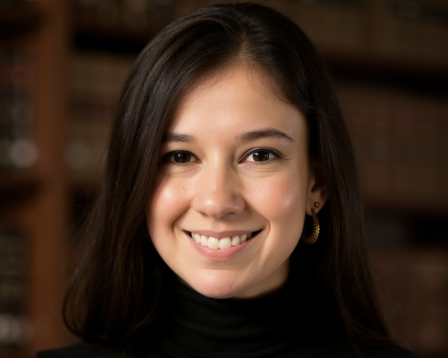
Indian American lawyer Smita Ghosh’s legal challenge to President Donald Trump’s controversial citizenship order is drawing widespread attention. This concerns especially H-1B visa holders navigating an already uncertain immigration landscape.
Ghosh, a prominent legal voice, has emerged at the center of the case, questioning the legality of efforts to restrict birthright citizenship in the United States. Her challenge comes at a time when immigration policies remain a critical concern for thousands of Indian professionals working in the country under H-1B visas.
READ: Gold Card vs. EB-5: Everything you need to know about investment immigration B (February 20, 2026)
The proposed policy, which seeks to reinterpret the scope of the 14th Amendment, has triggered anxiety within the Indian American community. For many H-1B visa holders, the issue goes beyond constitutional debate and touches on long-term security, family stability, and the future of their children born in the U.S.
Ghosh’s legal argument emphasizes that altering birthright citizenship could have far-reaching consequences. Many Indian employees working in the U.S., particularly in the tech sector who are already dealing with layoffs and visa uncertainties, now fear an additional layer of instability. The possibility that their U.S.-born children could face citizenship challenges has intensified concerns across the diaspora.
The timing of the case is particularly significant. Recently, waves of layoffs across the tech sector have disproportionately affected foreign workers, including Indians on H-1B visas. Losing a job often means a narrow window to secure new employment or risk leaving the country, creating a high-pressure environment for families.
Accordingly, Ghosh’s challenge is being closely watched not just as a legal battle, but as a potential turning point in immigration policy. Advocacy groups argue that restricting birthright citizenship would undermine the foundational principles of equality and inclusion that have long defined the U.S. immigration system.
READ: ‘Know Your Rights’: IAAC warns Indians about US visa social media checks (March 30, 2026)
For Indian Americans, the case also highlights the growing role of community leaders in shaping national debates. Ghosh’s efforts signal a broader pushback against policies perceived as restrictive or exclusionary.
As the legal proceedings unfold, the outcome could significantly impact how immigration laws are interpreted and enforced. For H-1B visa holders and the wider Indian diaspora, the stakes are deeply personal, which is affecting not just careers but the very notion of belonging in the United States.