


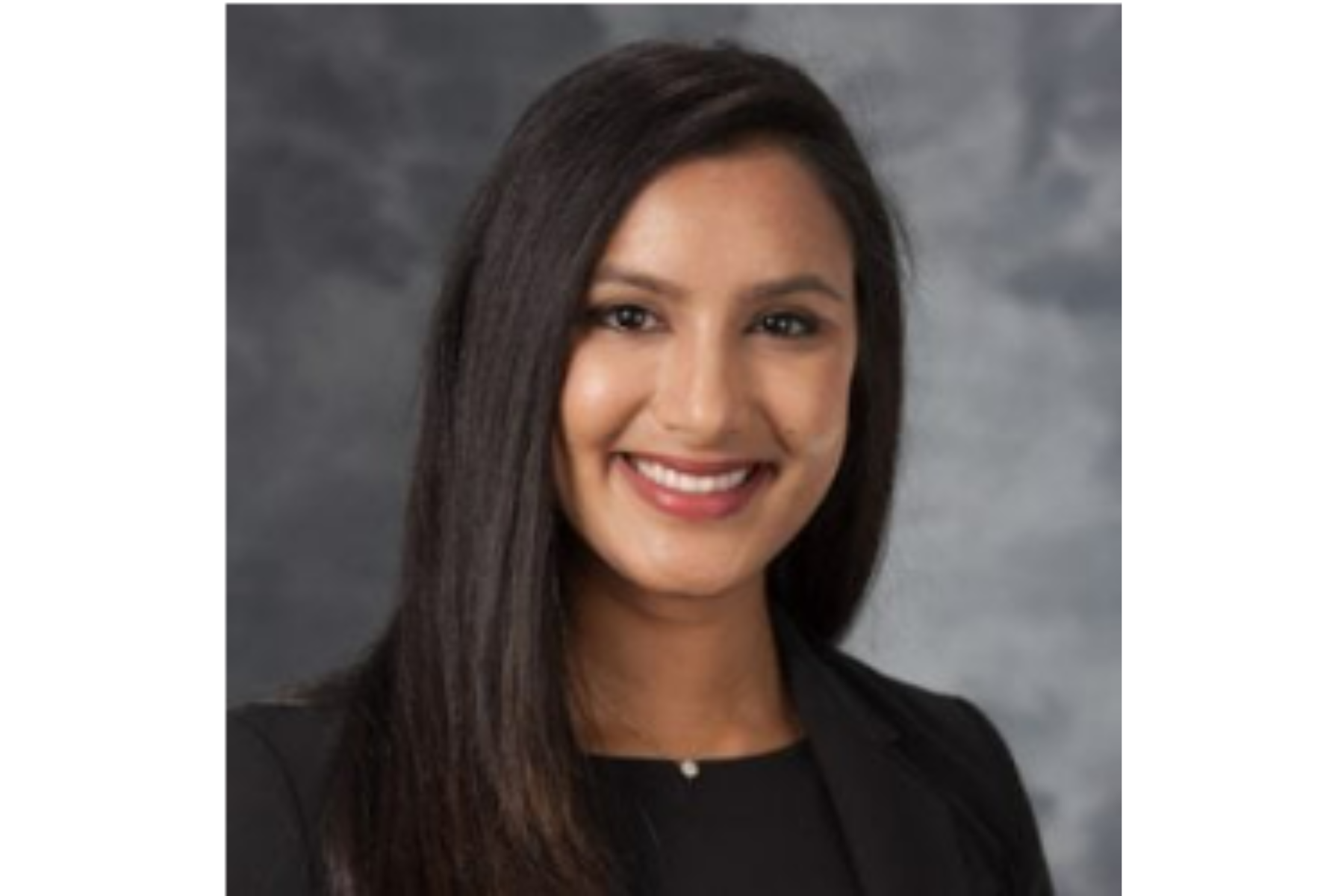
In the high-stakes environment of a surgical ward, the distance between a seasoned resident and a medical student can often feel like a chasm. But for Dr. Madhuri Nishtala, a general surgery resident at the University of Wisconsin-Madison, that gap is where her most meaningful work happens.
Nishtala was recently named the recipient of the 2026 Outstanding Resident Teaching Award by the Wisconsin Medical Alumni Association (WMAA). The honor, which is voted on by students, highlights a clinician who goes beyond the operating table to shape the next generation of doctors.
The award is a testament to Nishtala’s unique approach to clinical instruction. Her students say her teaching style is defined by empathy. “Dr. Nishtala made me feel comfortable from my first day,” one student noted, recalling how she prioritized their well-being alongside their clinical training. Whether it was mastering a basic procedural stitch or navigating the grueling residency application cycle, Nishtala met each student exactly where they were.
Her background as an Indian American immigrant has deeply influenced her perspective on medicine and advocacy. Nishtala, who moved to the U.S. and grew up in Bloomington, Illinois, has spoken openly about the dissonance of seeing healthcare workers celebrated while facing systemic inequities.
Read: Indian American researcher Rahul Kanadia decodes rare genetic sequences
“As an immigrant, most of my family is back in India,” she previously shared, noting that her heritage informs her drive for social justice within the medical field.
This commitment extends to her academic work. Currently, under the mentorship of Dr. Ben Zarzaur, she is pursuing an NIH-funded fellowship exploring how financial hardships affect health outcomes for injured patients. It is a focus on health equity that mirrors her personal mission to support the vulnerable.
Her path to the University of Wisconsin was paved by academic excellence, including an undergraduate degree from the University of Chicago and a medical degree from Case Western Reserve University in 2018.
Outside of the hospital, she is a multifaceted artist who engages in slam poetry, pottery, and painting, pursuits that provide a creative counterweight to the rigors of surgical training.
The WMAA, established in 1956, serves a network of over 8,000 alumni and students. By selecting Nishtala, the association has recognized a physician who views teaching not as a secondary duty, but as a core component of being a healer. As one student aptly put it, wherever Nishtala lands next as a faculty member, that institution will be “lucky to have her.”