


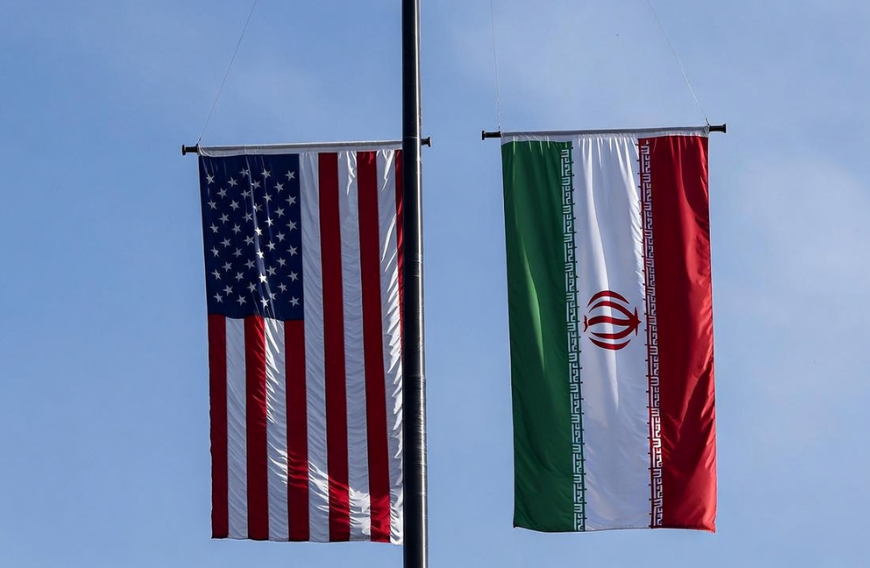
The human cost of the ongoing Iran conflict continues to mount even as a fragile ceasefire between the United States and Iran takes hold, leaving Lebanon caught in a widening cycle of violence.
Casualties mount across the region
New figures indicate a total of 1,669 people killed and 14,585 injured across multiple countries involved in or affected by the conflict. Lebanon has borne the brunt, reporting 1,530 deaths, far surpassing other nations. Israel has confirmed 33 fatalities and more than 6,000 injuries, while the United States reports 13 deaths and over 3,300 wounded service members.
According to U.S. Central Command, most injured American personnel have returned to duty. “All but 37 of the 381 American service members injured in the war have returned to duty,” said Capt. Tim Hawkins, noting that three remain hospitalized in serious condition.
Other countries, including Iraq, Kuwait, Bahrain, and the United Arab Emirates, have also reported casualties, highlighting the regional scale of the conflict.
READ: Trump says US may exit Iran war in ‘two’ or ‘three’ weeks (
Ceasefire holds—but only partially
The Pentagon’s decision to suspend strikes against Iran marks the first pause in more than five weeks of sustained military operations. The ceasefire, brokered with Pakistan’s assistance, is intended to last two weeks and reduce immediate hostilities between Washington and Tehran.
However, the agreement has exposed sharp divisions. Israeli Prime Minister Benjamin Netanyahu clarified that the ceasefire does not extend to Lebanon, where Israeli forces continue targeting Hezbollah positions.
That stance has drawn international concern. Spain’s Prime Minister Pedro Sánchez condemned the ongoing strikes, urging that the truce be broadened. French President Emmanuel Macron echoed that sentiment, stating that France is seeking assurances that the ceasefire “includes Lebanon in its entirety.”
Iran has also reacted strongly. The Islamic Revolutionary Guards Corps warned of a potential military response if Israeli attacks on Lebanon are not “immediately halted,” raising fears of renewed escalation.
READ: Trump agrees temporary Iran ceasefire amid rising tensions (April 7, 2026)
Lebanon still under fire
Despite diplomatic efforts, violence in Lebanon has intensified. Israeli forces launched one of their largest strikes in the current phase of fighting, killing at least 112 people in a single day, according to local authorities.
The continued assault highlights the limitations of the current ceasefire framework and raises concerns that Lebanon could become the central battleground of the conflict.
Controversy over “Human Shields” claims
Adding to the tensions are claims circulating on social media that Iran is “using children as human shields around power plants and bridges.” The allegation has sparked heated reactions online, with some commentators condemning the reported tactic as a violation of international humanitarian law, while others urge caution, noting the lack of independently verified evidence.
The claim has not been officially confirmed by international monitors, but it has intensified public outrage and deepened divisions in global opinion about the conflict.
Diplomatic push continues
Amid the uncertainty, U.S. Vice President JD Vance is set to travel to Pakistan for further peace talks, accompanied by senior officials, including special envoy Steve Witkoff and Jared Kushner. The discussions aim to solidify the ceasefire and potentially expand it to include other conflict zones.
A fragile moment
While the pause in U.S.-Iran hostilities offers a brief window for diplomacy, the continued violence in Lebanon threatens to unravel progress. With casualties rising and rhetoric hardening, the region remains on edge, facing the possibility that a limited ceasefire could give way to a broader and more dangerous escalation.