


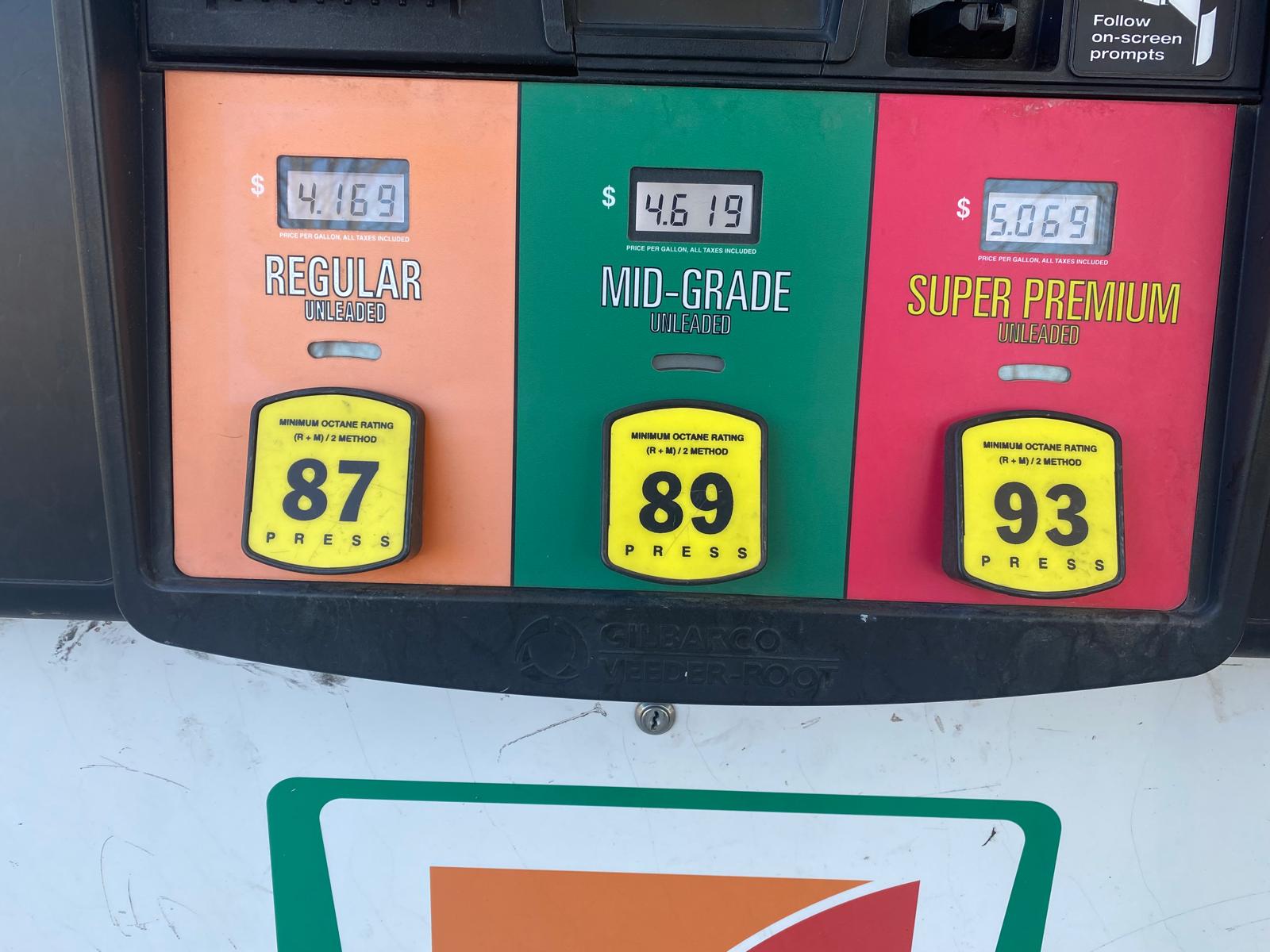
The U.S.-Iran conflict is taking a toll on gas prices in the United States. U.S. consumer prices see largest rise in nearly four years in March as the war with Iran led to a record surge in the cost of gasoline and diesel, dealing a blow to President Donald Trump whose approval ratings have been falling because of unhappiness over his handling of the economy.
“The economy has just taken a direct inflation hit as a result of the war in the Middle East,” said Christopher Rupkey, chief economist at FWDBONDS. “Every recession since the 70s has been preceded by an energy price shock and if consumers thought there was a cost of living crisis before, get ready, as you haven’t seen nothing yet.”
READ: Trump threatens countries helping Iran with 50% tariffs (April 9, 2026)
Though the Consumer Price Index (CPI) report from the Labor Department on Friday showed an underlying measure of inflation that excludes the volatile food and energy components rising moderately last month, economists told Reuters that was because March’s data only captured the immediate effects of the oil price shock.
When global oil markets react to conflict, the effects tend to cascade through transportation, production, and consumer goods pricing, creating inflationary pressure that is felt broadly across households and businesses. Even if some parts of the economy remain stable in the short term, energy shocks often distort overall price trends and can temporarily mask underlying inflation patterns.
Economists often view energy-driven inflation as particularly significant because it affects both direct consumer costs, such as fuel, and indirect costs, such as shipping, manufacturing, and food distribution. This makes it harder for central banks and policymakers to distinguish between temporary price movements and more persistent inflationary trends. As a result, monetary policy responses can become more complicated, especially when external shocks rather than domestic demand are driving price changes.
Economists polled by Reuters had forecast the CPI accelerating 0.9% and increasing 3.3% year-on-year.
Public perception of economic conditions tends to shift rapidly during such periods. Even short-term spikes in essential goods like fuel can influence consumer confidence, household budgeting behavior, and broader sentiment about economic stability. This can amplify political pressure, as economic performance is often judged through everyday costs rather than longer-term indicators.
READ: Trump names JD Vance ‘Fraud Czar’ to investigate fraud in ‘Blue states’ (April 3, 2026)
As per Reuters, the U.S.-Israeli war with Iran has sent global crude oil prices surging more than 30%, with the national average retail gasoline price breaking above $4 a gallon for the first time in more than three years.
Global conflicts can create price volatility that spreads quickly through interconnected systems, affecting everything from transportation costs to household budgets. Policymakers typically face the challenge of responding to these shocks without overcorrecting, since energy-driven inflation can fade as quickly as it appears once supply conditions stabilize.