



Yoga: The Art of Transformation.
By Deepak Chitnis

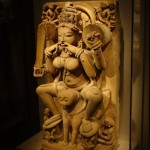
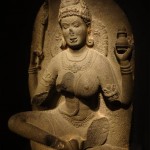
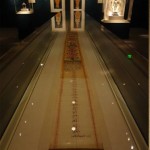
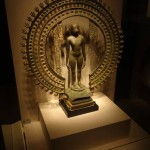



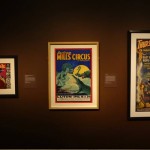


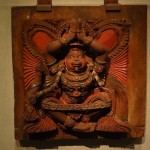
WASHINGTON, DC: This week, the Smithsonian Institute will open its long-in-development exhibition entitled “Yoga: The Art of Transformation.†The exhibition, which is held in the lower level of the Arthur M. Sackler Gallery, contains over 130 pieces of art, collected from 25 museums and private collections around the world, and brings new findings to the 2,000-year old history of yoga.
The exhibition’s curator is Dr. Debra Diamond, Associate Curator of South and Southeast Asian Art for the Sackler Gallery. She worked in tandem with Dr. Julian Raby, the Director of the Sackler and Freer Galleries of Art. Both spoke at a press event ahead of the exhibition’s public opening, explaining the importance of creating a comprehensive history of yoga.
“[The exhibition] sheds new light on yoga’s profound meaning and hidden histories,†said Dr. Raby. “It examines, for the first time, the spectacular [but], until now, largely ignored archive that is India’s extraordinary collection of yoga-related art.â€
“I proposed an exhibition that would look at the larger history of visual culture of yoga,†said Diamond, “not only what had happened in Jodhpur in the early 19th century, but what had transpired over the course of time. [I wanted to examine] what yoga concepts, identities, profound thoughts, surprising stories emerged from the visual record, [so that] we could learn more about yoga, in history and culture, from art.â€
The following slider presents a sample of what a visitor to the exhibition can expect to see. The pieces of art – which include paintings, sculptures, literature, and scrolls, among other types – come mostly from India, though some originated in the Middle East, Europe, and the US. The oldest pieces are from the 2nd century CE, while the most recent come from the early 1900s.
For the full story on “Yoga: The Art of Transformation,” you can read about it here.
To contact the author, email to deepakchitnis@americanbazaaronline.com