


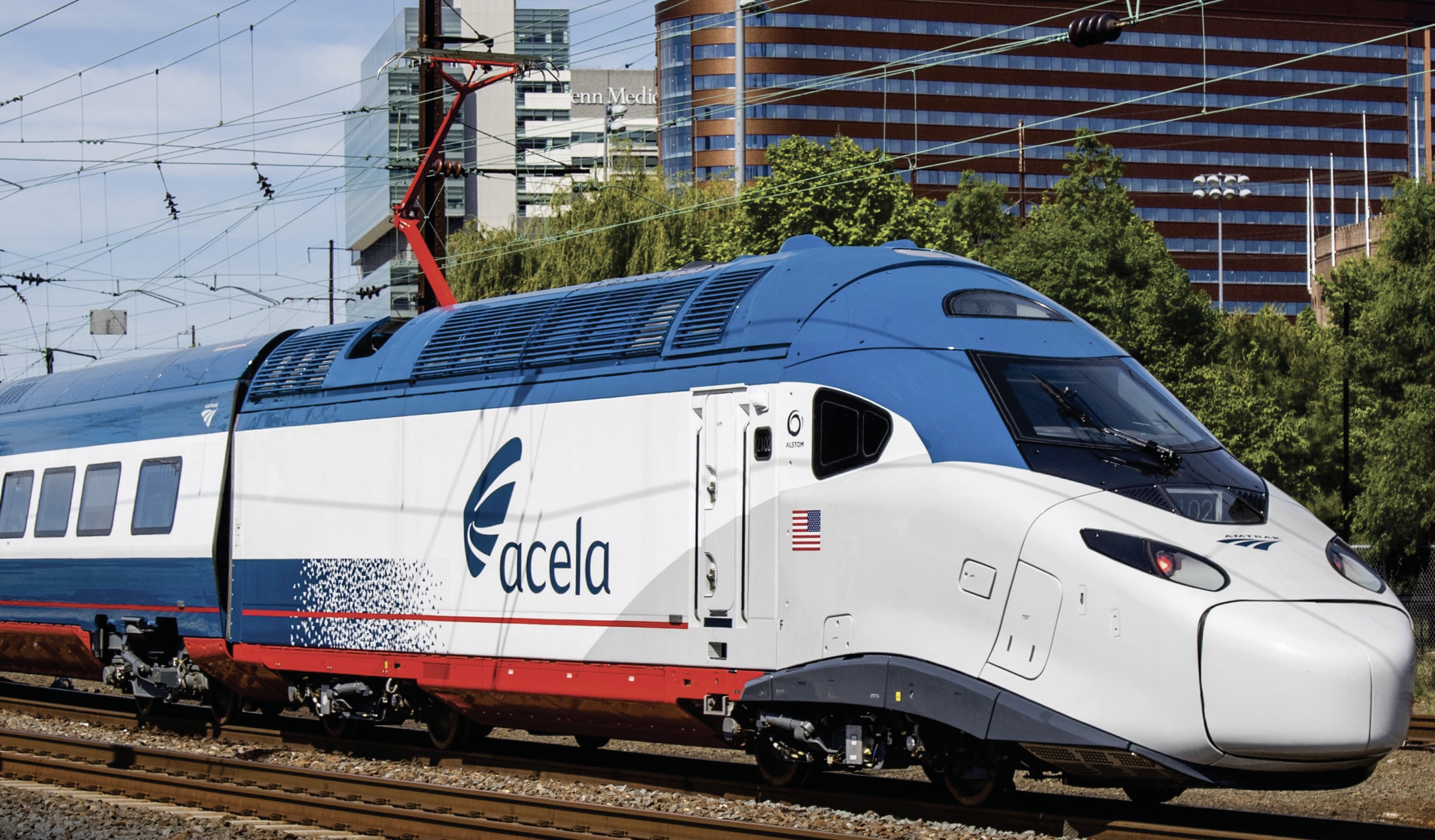
Indian American billionaire Vinod Khosla has criticized the Biden administration’s focus on rail transportation investment, stating that rail may be an obsolete concept compared to modern public transit ideas.
In response to President Joe Biden’s social media post on X (formerly known as Twitter) touting a $66 billion investment in passenger rail – billed as the largest since Amtrak’s creation – Khosla took to X to express his concerns.
He posted on the platform, “Rail made sense a while ago. May be an obsolete concept today. Too inconvenient, too expensive compared to modern public transit ideas. It’s a shame other systems are not considered.”
Rail made sense a while ago. May be an obsolete concept today. Too inconvenient, too expensive compared to modern public transit ideas. It’s a shame other systems are not considered. https://t.co/C6a4LXprGq
— Vinod Khosla (@vkhosla) December 10, 2023
Biden, known for his support of Amtrak, continues to prioritize rail improvements in his broader transportation modernization agenda.
READ: Vinod Khosla wants the world’s elite to skip Davos (January 17, 2023)
Biden’s tweet highlighted the significant investment in passenger rail from the Bipartisan Infrastructure Law, positioning it as the most substantial funding since Amtrak’s inception. The president’s historic ties to Amtrak, stemming from his regular train commutes between Wilmington, Delaware, and Washington, D.C., have fueled his commitment to improving rail infrastructure.
Throughout his political career, Biden has been a vocal advocate for rail investment, including support for Amtrak and the expansion of high-speed rail. His administration’s infrastructure plans underscore ambitious goals to address transportation challenges and promote sustainable travel, aligning with Biden’s consistent backing of Amtrak.
READ: Vinod Khosla offers to help Indian hospitals with import of oxygen (April 24, 2021)
Despite this, Khosla’s criticism touches on a broader debate about the feasibility and relevance of rail travel in the contemporary landscape. He contends that rail might be inconvenient and expensive compared to more modern public transit alternatives, calling attention to the need to consider other innovative systems.
Passenger rail in the U.S. faces challenges rooted in a historical emphasis on automobiles, limited rail infrastructure investment, and competition with dominant air travel for long-distance journeys. Low population density in specific regions and a car-centric urban planning model further hinder widespread adoption of passenger rail. Khosla’s remarks highlight the ongoing struggle for rail services to gain popularity amid competition with low-cost airlines, buses, and resistance to changing transportation habits.
While environmental sustainability increasingly influences transportation discussions, promoting rail travel as an eco-friendly option for shorter intercity routes, Khosla’s critique underscores the complexities and debates surrounding the future of rail in the United States.
According to Forbes’ Real Time Net Worth Tracker, as of December 9, 2023, the founder and managing director of Khosla Ventures is worth $6.6 billion.