




Indian American astronaut Sunita Williams and fellow NASA astronaut Butch Wilmore have returned to Earth on Tuesday after an unplanned nine-month stay aboard the International Space Station (ISS). While many wouldn’t risk the possibility of being stranded in space for any price, these astronauts did — for a salary of just over $150,000 a year, with no overtime or hazard pay.
Originally scheduled for a short seven-day mission aboard Boeing’s Starliner spacecraft, Williams and Wilmore had been in the orbiting laboratory since June 2024 but due to propulsion issues and helium leaks, the spacecraft was deemed unsafe for their return.
READ: SpaceX to send first high-speed internet satellite into space in 2019 (November 20, 2017)
Deemed “an existential nightmare” by the Fortune, it took 286 days, a SpaceX Crew Dragon capsule, accompanied by another American astronaut Nick Hague, and Russian Roscosmos cosmonaut Aleksandr Gorbunov, to bring the astronaut duo safely back to earth.
As the NASA crew landed in the waters of Florida and netizens breathed a sigh of relief, there was still one question that lingered on everyone’s minds — will the astronauts be fairly compensated for their additional time in space?
According to NASA’s 2024 pay rates, Williams and Wilmore are likely to make an annual salary of $152,258. Many might think this disproportionate to the amount of risk they’ve been put in with their extended space travel.
“[There’s] no hazard pay, there’s no overtime, there’s no comp time,” Mike Massimino, a veteran of two Space Shuttle missions, previously told MarketWatch. “There’s no financial incentive to stay in space longer.”
A NASA spokesperson confirmed with Fortune that they’re paid a 40-hour-per-week salary, with no additional pay for holiday or weekends—despite the fact that they’re literally at work after work.
They noted that the astronauts receive a small daily stipend while in space—roughly $5 per day since they are classified as being on long-term temporary duty. Over their 286-day stay, that amounts to just $1,430 in additional compensation.
Overall, the compensation compared to some executive salaries or entertainment stars seems much less while the risk seems far greater.
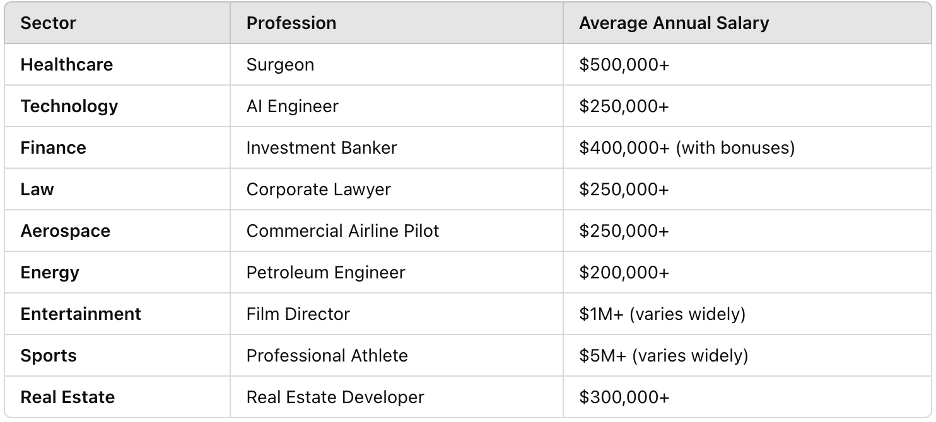
“When NASA astronauts are aboard the International Space Station, they receive regular 40-hour workweek salaries,” NASA told Fortune in a statement. “While in space, NASA astronauts are on official travel orders as federal employees, so their transportation, lodging, and meals are provided.”
However, Wimore stated that the rhetoric that they were “stranded” or “abandoned” is not entirely accurate and it is a risk that comes with the job.
READ: Sunita Williams grows romaine lettuce on International Space Station (December 6, 2024)
“We don’t feel abandoned, we don’t feel stuck, we don’t feel stranded,” Wilmore said in an interview with CNN, saying that that was not what their spaceflight program was about.
On a vulnerable note, Williams said, “it has been a rollercoaster for them [family and supporters], probably more than it has been for us. We are here, we have a mission. We do what we have to do every day. The hardest thing has been not knowing when we’d come back. All of that uncertainty has been the most difficult part.”