



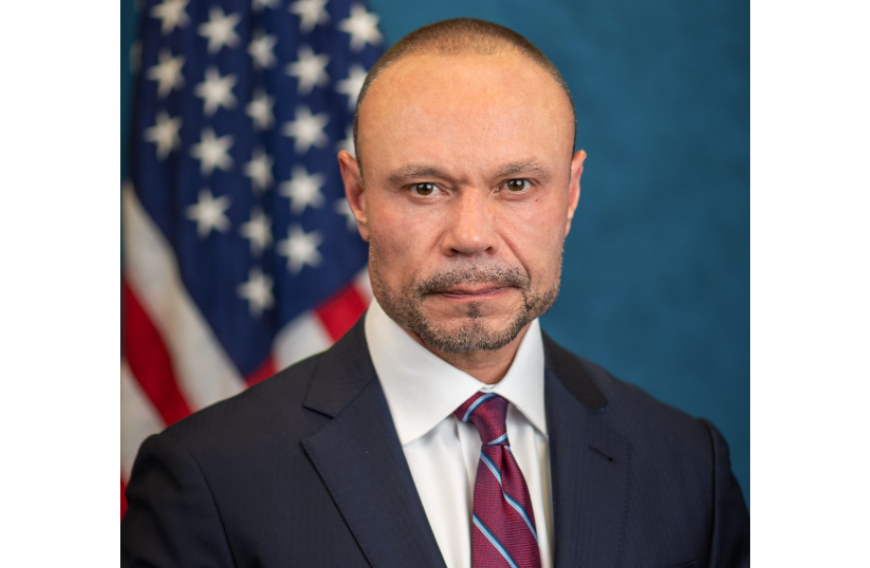
The leadership at the Federal Bureau of Investigation (FBI) has been shaken up. Dan Bongino has said he will leave his role as the FBI’s deputy director in January.
Dan Bongino (born December 4, 1974) is an American law-enforcement veteran, conservative political commentator, and the 20th Deputy Director of the Federal Bureau of Investigation (FBI). He joined the FBI’s senior leadership under Director Kash Patel on March 17, 2025, after being appointed by President Donald Trump in February 2025. The deputy director is the bureau’s second-highest official, assisting the director in overseeing day-to-day operations and management of the FBI.
Announcing his decision to step down in Wednesday’s social media post, Bongino wrote: “I will be leaving my position with the FBI in January. I want to thank President Trump, AG [Pam] Bondi, and Director [Kash] Patel for the opportunity to serve with purpose.
READ: Laura Loomer calls FBI Director Kash Patel a slave? (
“Most importantly, I want to thank you, my fellow Americans, for the privilege to serve you. God bless America, and all those who defend her.”
Before his appointment, Bongino served as a New York City Police Department officer from 1995 to 1999 and later as a special agent with the U.S. Secret Service from 1999 to 2011. During his Secret Service career, he worked on criminal investigations, served as an instructor, and was assigned to the Presidential Protective Division, helping protect Presidents George W. Bush and Barack Obama. After leaving government service, he became a prominent conservative media figure, hosting “The Dan Bongino Show” and running unsuccessfully for Congress several times.
Bongino’s appointment drew attention because he did not rise through the FBI as a career agent.
In a post on X, he thanked President Trump, as well as the director of the FBI and the U.S. attorney general “for the opportunity to serve with purpose.” Bongino did not say in his post why he was stepping down.
READ: FBI cuts ties with Anti-Defamation League following conservative backlash (
Bongino’s tenure as Deputy Director of the FBI has been brief but highly visible, drawing attention due to his nontraditional path from media into one of the bureau’s top leadership positions. His announcement that he plans to step down in January underscores the evolving nature of leadership within the FBI and the challenges faced by senior officials navigating both public scrutiny and internal responsibilities. Bongino’s career reflects a blend of law enforcement experience, federal service, and public commentary, highlighting the diverse backgrounds that can intersect with national security leadership roles.
Changes in senior leadership, such as Bongino’s planned departure, often prompt discussions about the FBI’s strategic priorities and internal direction. The bureau relies on continuity and experience at the top levels to maintain effective operations across its field offices and investigative divisions. While the agency has a long history of adapting to new challenges, transitions in leadership can temporarily affect decision-making and public perception. Observers will be watching closely to see how the bureau navigates the period following Bongino’s resignation and whether any new appointments will signal shifts in organizational focus or policy emphasis.