



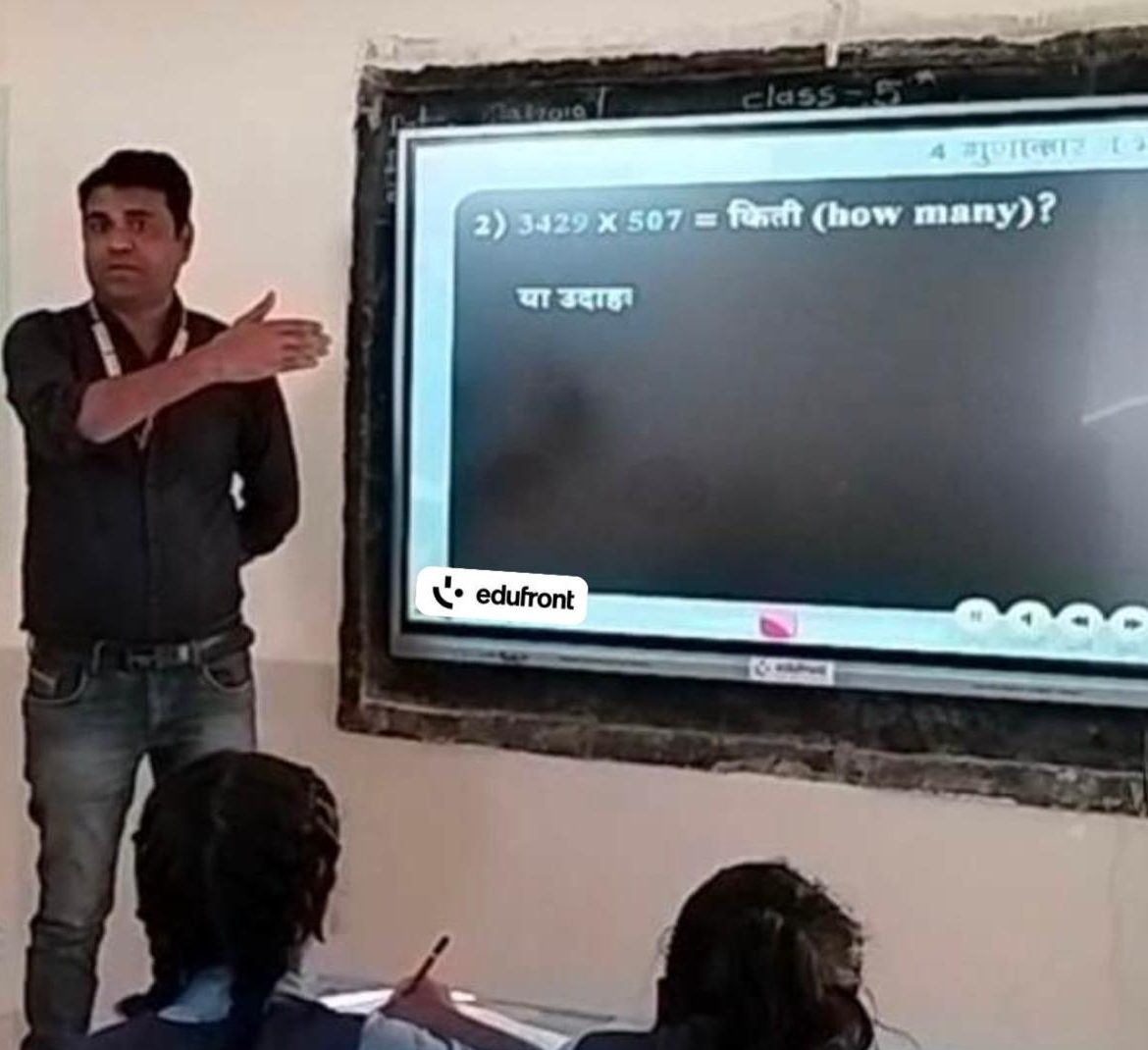
In Satnavari, a village tucked into the folds of Maharashtra, the future of education is being written not in chalk but in light.
Where once blackboards and rote recitations dulled curiosity, interactive panels now spark it. Children who used to memorize without understanding now touch, swipe, and solve, their classrooms transformed into portals of possibility.
This is not a story of gadgets parachuted into rural India; it is a story of a deliberate, human-centered revolution that shows how technology, when married to vision, can redraw the map of opportunity.
After initiating “One Laptop per Child” in India and taking its message across various states for a few years, I have spent the past six years proving that “One Tablet per Child” (OTPC) is not a slogan but a scalable reality. Over 27,000 students across 50 schools in seven states already live in this new ecosystem, where teachers are trained, families are included, and classrooms are wired for curiosity rather than compliance.
Satnavari is the latest demonstration: a government school turned into a smart village school, a model that policymakers should see not as an experiment but as a blueprint.
The lesson is simple and sharp: education is the bedrock of development, and digital innovation is its accelerator. Rural India has long been trapped in a cycle of outdated methods, unreliable infrastructure, and disengaged students. The heavy syllabus weighed down teachers, while power outages and poor connectivity made even basic digital tools unreliable.
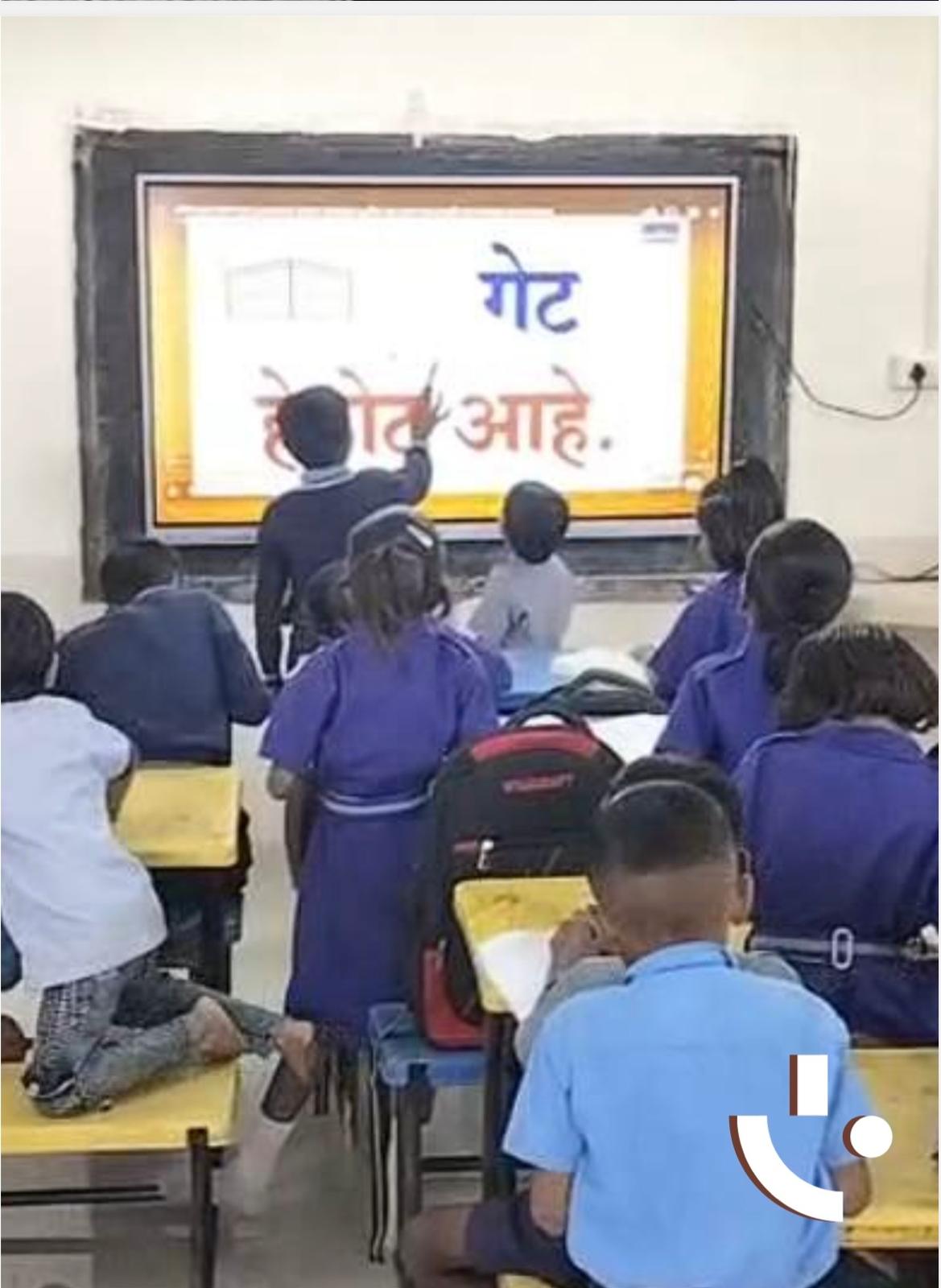
The result was predictable: low literacy, low confidence, and low ambition. But Satnavari shows that these barriers are not immovable. Offline-first content sidesteps the tyranny of weak internet. Power backups silence the excuse of outages. Teacher training turns hesitation into confidence. AI-assisted lessons can make personalization possible even in crowded classrooms. The transformation is not cosmetic; it is structural.

Policymakers should take note: this is not charity; this is strategy. In a world where 21st-century skills are non-negotiable, leaving rural youth behind is not just unfair, it is economically reckless.
Every child who cannot access digital learning is a future worker excluded from the digital economy, a citizen denied full participation in democracy, a mind left underutilized. The cost of inaction is staggering, but the cost of replication is modest. With minimal incremental investment, Satnavari’s model can be scaled across districts and states. Public-private partnerships and CSR initiatives can fuel expansion, but government adoption is the lever that will turn isolated success into systemic change.
The skeptics will say technology widens inequality, that rural schools cannot sustain digital ecosystems. Satnavari answers them with evidence. By prioritizing offline access, resilient infrastructure, and teacher empowerment, it levels the field rather than tilting it.
The smart board does not replace the teacher; it amplifies her. The tablet does not isolate the child; it connects her. The digital library does not erase local culture; it enriches it. This is not about gadgets; it is about dignity.
Globally, the resonance is clear. In Africa, where teacher shortages are chronic, AI-assisted tools could fill gaps. In Latin America, where connectivity falters, offline caches could sustain learning. In Asia, where migration drains villages, digital hubs could anchor opportunity.
READ: India’s EU outreach: Strategic foresight or reactive pivot? (January 29, 2026)
Satnavari is not just an Indian story; it is a universal one. It tells us that rural education reform is not about importing urban models but about tailoring technology to local constraints, about designing for resilience rather than perfection.
A chalkboard cannot prepare a child for the digital economy. A blackout should not black out a child’s future. Connectivity is not a luxury; it is a lifeline. And perhaps most importantly, the village school is not a backwater; it is the frontline of national progress.
Satnavari’s children, tapping into global knowledge from their modest classrooms, remind us that the future of education is not confined to gleaming urban campuses. It lies in empowering the overlooked edges of our world.
Our vision of one device per child, embedded in smart classrooms, has already touched tens of thousands of lives. Satnavari proves that this vision can transform entire villages, making education the cornerstone of sustainable development.
For policymakers, the message is urgent and unambiguous: adopt, adapt, and scale this model now. The chalkboard era is over. The smartboard era must begin—not tomorrow, not someday, but today.