



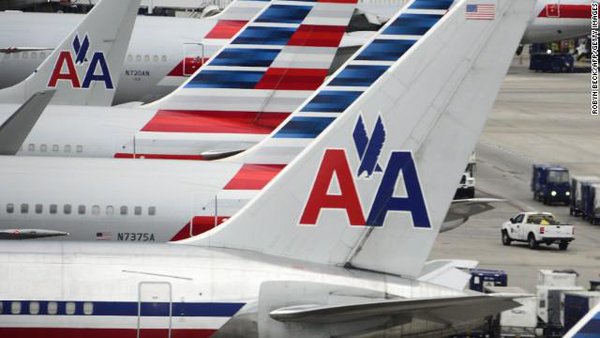
Robert Isom, CEO of American Airlines, may soon be replaced. The Association of Professional Flight Attendants (AFPA) has issued a no-confidence vote against American Airlines CEO Robert Isom.
“Management’s repeated failures are dragging this airline down and leaving frontline Workers to pay the price, including losing out on meaningful profit sharing at a company that should be thriving,” said Julie Hedrick, President of the Association of Professional Flight Attendants.
“When the recent winter storm hamstrung our operations to the point where Flight Attendants were sleeping on airport floors, Robert Isom’s response was that it was just ‘part of our job.’ His tone-deaf leadership shows a complete disregard for the human element and is actively harming both American Airlines and the people who keep it running every day,” she said.
Read: American Airlines resumes New York-New Delhi direct flight (November 14, 2021)
“We see our competitors, blazing ahead of us with innovation, and product offerings, whether it’s premium seats or customer experience. And we should be,” said APFA Treasurer Erik Harris on Monday. “We’re the largest carrier. We should be leading that as well. We should be leading it.”
The board of directors, which represents American Airlines flight attendants, announced the unanimous vote in a first for the Union’s history against an American Airline’s CEO.
Who is Robert Isom?
Robert Isom is the Chief Executive Officer (CEO) and President of American Airlines Group and its principal subsidiary, American Airlines, one of the largest airlines in the world. He assumed the role of CEO in March 2022 after serving as president of the airline since 2016, overseeing commercial, operational, and strategic functions.
Isom has more than two decades of experience in the aviation industry, having previously held senior executive roles including Executive Vice President and Chief Operating Officer at both American Airlines and U.S. Airways, following early career roles at Northwest Airlines, America West Airlines, and The Procter & Gamble Company.
He holds a Bachelor of Science in Mechanical Engineering and a Bachelor of Arts in English from the University of Notre Dame, as well as an MBA from the University of Michigan.
In a letter to union members, the APFA detailed the reasons behind their unanimous no-confidence vote, including post-pandemic performance concerns that went unsolved, executive compensation remains high while management’s financial results deteriorated, a failed corporate sales strategy alienated business customers and contributed to a sharp decline in rankings, and operational challenges abound while Unions call for better management.
READ: Air India faces mounting backlash over service failures on U.S. routes, fueling image crisis (
Even highly experienced executives face scrutiny when operational, strategic, or employee-relations outcomes may fall short of stakeholder expectations. Labor relations, in particular, play a central role in shaping both internal morale and public perception, and sustained dissatisfaction among employees could signal deeper systemic issues that extend beyond individual leadership.
The outcome of this dispute may also set precedents for how large carriers navigate executive accountability, labor relations, and organizational culture, emphasizing the need for transparent, responsive, and adaptive leadership.