



By Jayujyoti Mullick
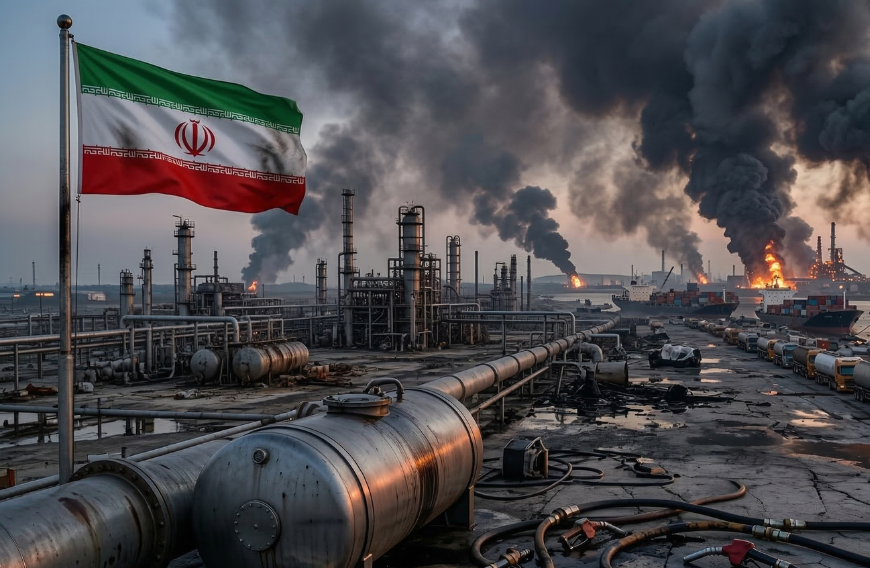
The ongoing war between the U.S.-Israel and Iran has caused a major spike in oil and gas prices, mainly due to disruptions in the Strait of Hormuz, which handles about 20% of global oil trade. The supply interruptions and attacks on energy infrastructure, especially oil and gas, have reduced output and exports. This has destabilized global energy markets, and everything has become more expensive.
This has resulted in a global inflation surge. The rising oil prices are being directly fed into the inflation worldwide. Even a mere looking 10% rise in oil prices can increase inflation significantly in a stagnant process. Thus, the increase in inflation will result in a higher cost of living, including basics like food, transport, fuel, and electricity.
READ: India faces energy risks as Hormuz closure disrupts global oil flows (
Since the start of the war on Feb. 28, there has been a drastic disruption in the supply chain and trade industry. Transport and logistics costs are increasing rapidly every hour, subsequently because of the energy powering global trade. It is also noticed that the closure of major shipping routes such as the Strait of Hormuz and other Gulf areas has affected the global supply chains of various important commodities. This has resulted in an increased delay of necessary commodities and higher prices of goods across the world, according to media reports.
The most affected by this war seem to be Asian countries with India, Japan, and others in Southeast Asia being heavily dependent on the Middle East for fuel and other energies. The governments have to use the stored reserves, rationalize power consumption and subsidize fuel to keep up with the scarcity and increasing shortage. This is going to be a major drawback to the budget and business if not sorted urgently.
Reports point to an increased risk of a global economic slowdown or recession. Rising in energy costs will lead to inflation which is still uncertain at this period of time, leading to a slower global growth. With this type of volatility and an increase in commodity prices, centralized banks may start to delay interest rate cuts or even stop raising rates temporarily. With borrowing economy going higher, the economic activity will eventually become weak enough to possibly choke down to recession.
On the other hand, other fuel-exporting countries are turning into big winners. Countries like Russia, being a major oil exporter, have been benefiting from high crude oil prices. However, importing countries have had to suffer the most with scarcity or pay high prices, thus resulting in a major disparity in the global economic ecosystem.
The war’s economic impact is not the direct destruction of economies, but a system-wide energy shock. Energy is the backbone of industry, transport and agriculture. Once oil prices start skyrocketing, everything else will gradually start inflating simultaneously.
READ: Could Iran tensions threaten the Strait of Hormuz again? (
The Strait of Hormuz is the single most critical oil chokepoint in the world. Even partial disruption of this route causes panic pricing and speculation. This is the most dangerous combination, with price rising causing a major global inflation in some countries and also slowing the global energy flow.
The government might have no choice but to raise prices, which will break the growth because cutting rates might lead to worse inflation. Dependent countries may need to come up with strategic reserves, alternative suppliers and look for renewable deposits in the long run. This doesn’t seem to be just a regional conflict, but a systemic global economic stress test.