



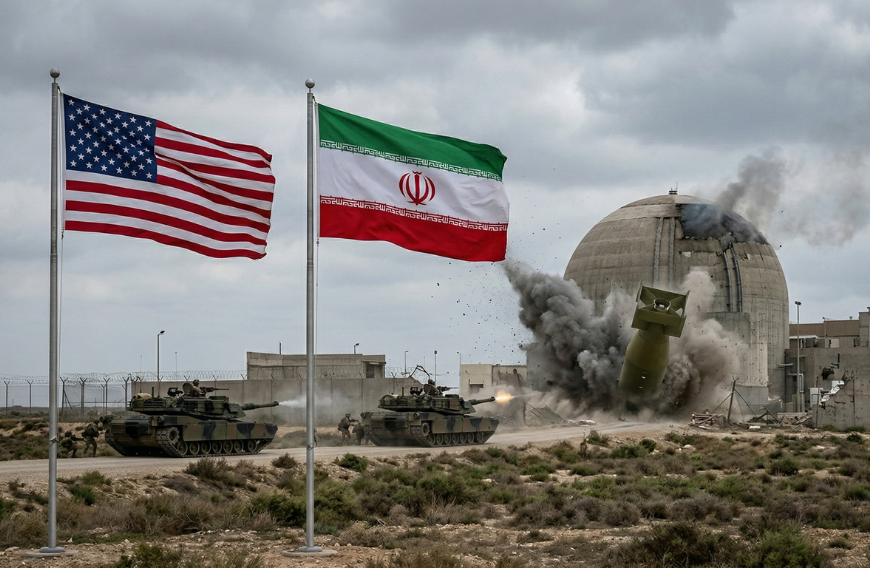
After postponing further attacks on Iran, President Donald Trump is implying that the country may have reciprocated with a big oil and gas related gesture. Trump on Tuesday said Iran had made a significant oil- and gas-related concession, describing it as a “very big present,” even as negotiations to end the ongoing conflict continue.
“They gave us a present and the present arrived today, and it was a very big present, worth a tremendous amount of money,” he said, adding, “It wasn’t nuclear, it was oil-and gas-related, and it was a very nice thing they did.”
Speaking in the Oval Office, Trump did not disclose details but suggested the move could be linked to the Strait of Hormuz, a key global energy transit route that has been disrupted during the conflict.
As per media reports, Pakistan has offered to host potential talks between Washington and Tehran, with officials indicating that multiple proposals are under consideration and that an in-person meeting could take place soon, though no final decision has been made.
In early March, the United States, under President Trump, was preparing military strikes on Iran’s energy and power infrastructure, part of a broader conflict that had escalated in the Gulf region. These planned strikes were intended to pressure Iran to reduce disruptions in global energy flows, particularly through the Strait of Hormuz, a critical transit route for oil and gas.
READ: Middle East conflict fears send oil prices up, could hit US gas prices (March 20, 2026)
On Monday, Trump announced a temporary postponement of the attacks for five days, citing “productive conversations” with Iranian officials and suggesting that diplomacy could continue alongside military planning. While Trump framed the delay as a potential step toward negotiation, Iranian authorities denied that any direct talks with the U.S. were taking place, highlighting the uncertainty surrounding the extent and substance of the diplomatic engagement.
The postponement immediately affected global markets, with oil prices and equities reacting sharply as traders interpreted the pause as a signal that the conflict might be de-escalating, at least temporarily. Regional and international actors also expressed concern about the potential for miscalculation, emphasizing how fragile the situation remains.
The developments between the United States and Iran underscore the delicate balance of diplomacy, economic leverage, and regional stability in contemporary international relations. Energy resources remain a central factor in geopolitical strategy, as nations with access to key transit routes and commodity supplies hold substantial influence over global markets. Even indirect or symbolic gestures can carry significant weight, signaling intentions, fostering trust, or creating openings for further negotiation.
Governments and businesses must therefore remain attentive to subtle shifts in behavior that may or may not indicate meaningful progress toward negotiation or resolution.
These developments reinforce the principle that effective foreign policy requires a combination of strategic patience, awareness of economic levers, and proactive engagement in dialogue.