



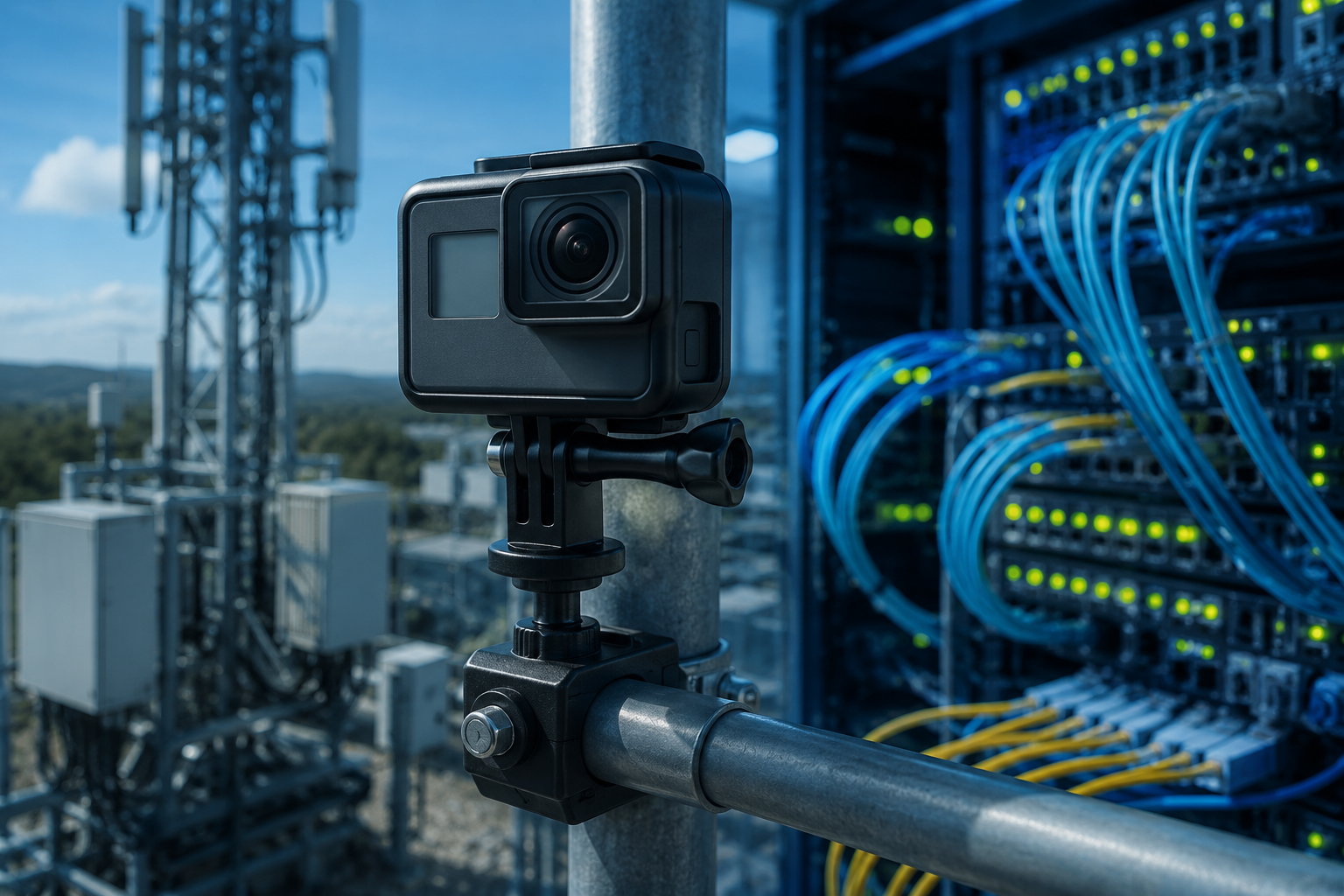
GoPro, the action-camera company that went public more than a decade ago, has agreed to merge with privately held optical-photonics company Starman Optical in a $285 million deal that will keep GoPro publicly listed while shifting its focus toward artificial intelligence infrastructure, defense and other commercial markets.
Under the agreement announced Sept. 1, GoPro shareholders will receive $1.14 per share in cash, with existing shareholders retaining about 10% of the combined company. GoPro’s approximately $92 million in outstanding debt will also be repaid when the transaction closes. The deal is expected to close by the end of 2026, subject to regulatory and shareholder approvals.
The transaction represents a major strategic shift for GoPro, whose brand was built around compact cameras used by athletes, travelers and outdoor enthusiasts.
GoPro said it will continue supporting its consumer cameras, subscription services and cloud platform after the merger. At the same time, the company plans to expand into commercial, government, defense, robotics and aerospace markets by combining its imaging and optics expertise with Starman’s optical-transceiver technology.
Starman Optical is focused on optical-photonics technology, including optical transceivers used in data-center infrastructure. Its technology is expected to give the combined company an entry point into the rapidly expanding market for hardware supporting AI systems.
READ: Nvidia invests $3.5 billion in MediaTek as AI chip partnership expands (September 1, 2026)
The companies also plan to increase U.S. manufacturing of optical products, reflecting growing efforts by American technology companies to reduce reliance on overseas supply chains for strategically important components.
“Advanced optics and imaging are essential to AI, national security, and the broader economy,” Charles Tebele, CEO of Starman Holding, said in a statement. He said the combination of GoPro’s imaging intellectual property with Starman’s transceiver technology and U.S. manufacturing platform could help bring production of critical components back to the United States.
GoPro’s financial difficulties have intensified in recent years. The company warned investors in June that it could face difficulties continuing as a going concern without additional funding. Founder and CEO Nick Woodman subsequently invested $20 million in the company.
The proposed merger follows years of attempts by GoPro to expand beyond its core action-camera business, including efforts in drones and 360-degree cameras. The company later narrowed its focus while cutting costs and its workforce.
READ: Chinese Insta360-maker says it will import, sell products in the US after USITC ruling (February 27, 2026)
GoPro’s shares had also become a focus of renewed investor interest after YouTuber Markiplier, whose real name is Mark Fischbach, disclosed an 8.5% stake in the company. The stock rose sharply after the investment became public and climbed further following the merger announcement.
GoPro said it has developed an intellectual-property portfolio of more than 2,500 U.S. patents covering imaging and optical technologies. The merger is intended to use that portfolio across consumer, commercial and national-security applications while strengthening the company’s balance sheet.
For GoPro, the transaction offers a path away from years of financial pressure without taking the company private. Instead, its public-market identity will remain while its business expands from action cameras into AI infrastructure, defense and advanced optical technology.