



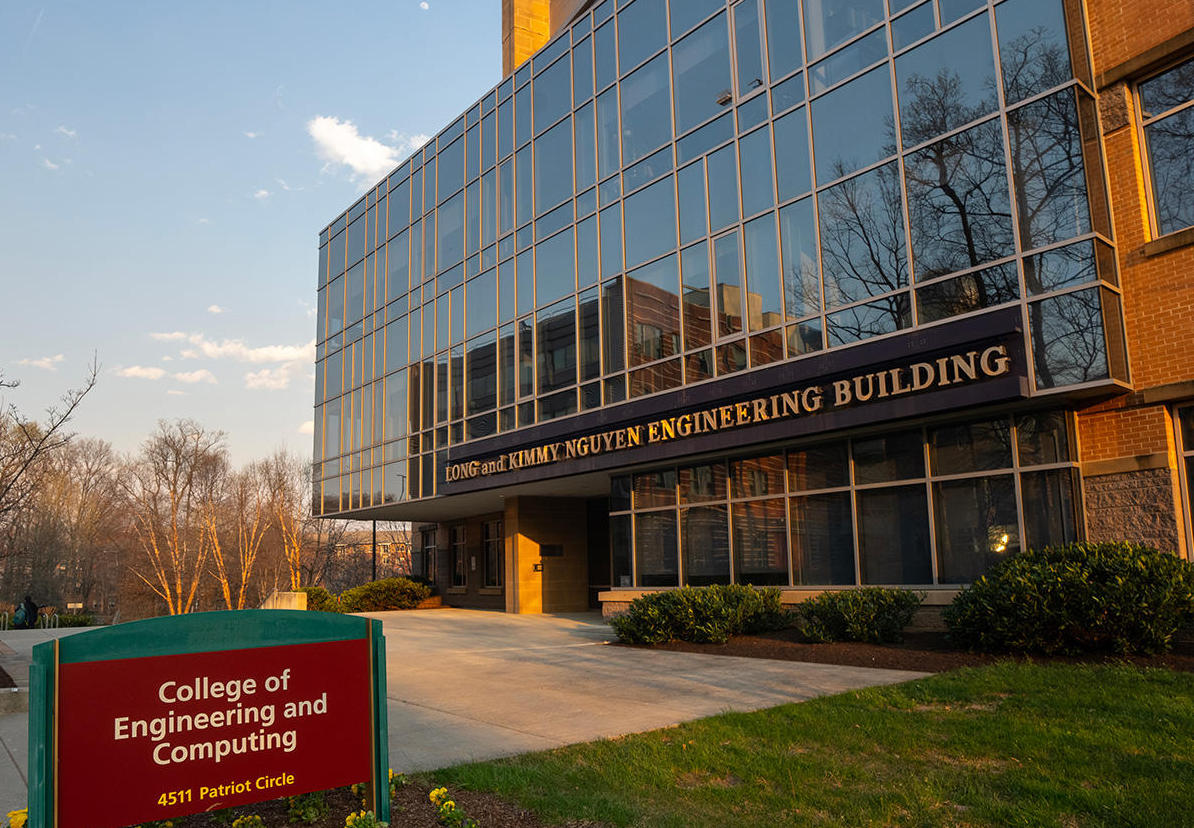
A melding of ideas and research is underway between George Mason University’s College of Engineering and Computing (CEC) and the Indian Institute of Technology, Ropar (IIT-Ropar) — the George Mason effort is led by CEC’s Divisional Dean Gurdip Singh.
According to a LinkedIn post by GMU, the two schools are planning to collaborate to be one of the three Centers of Excellence (CoEs) in artificial intelligence (AI) which seek to improve India’s AI ecosystem through cooperation with partners worldwide. This collaboration resulted from a call for proposals last winter from the Ministry of Education of India.
The seeds for this consortium were planted when Singh met Rajiv Ahuja, director of IIT Ropar, at a conference in the Washington, D.C. area in January, 2024. Out of 55, three educational institutions were chosen — AIIMS and IIT Delhi, IIT Ropar, and IIT Kanpur.
AIIMS and IIT Delhi will spearhead the healthcare CoE, IIT Ropar will lead efforts in agriculture, and IIT Kanpur will drive the sustainable cities initiative, according to the Indian Union Finance Minister Nirmala Sitharaman’s 2023-24 budget speech, as part of the vision to “Make AI in India and Make AI work for India.”
According to CEC’s statement, top educational institutions in alliance with industry partners and startups will lead the CoEs for AI. They will conduct interdisciplinary research, develop cutting-edge applications, and create scalable solutions in three areas — AI in healthcare, agriculture, and sustainable cities. The CEC will be part of the consortium for CoE for AI in agriculture, led by IIT Ropar and includes eight other IITs.
READ: Mani Skaria, the Lime King of Texas, has a new mission: revolutionize India’s citrus industry (July 29, 2024)
The proposal was funded at $40 million over four years and provides opportunities for GMU to work with institutions and host visits from India.
“The state of Punjab, where Ropar is located, is the breadbasket of India,” said Singh and added, “there is a tremendous desire to improve agricultural methods and crop yields.”
“The CoE will leverage IIT Ropar’s extensive infrastructure to connect with farmers, listen to their problems, and develop viable AI-based economic solutions,” said Professor Pushpendra Singh, dean of research and technology at IIT Ropar, who will lead the project.
With an ever-burgeoning population, coupled with climate change and strained natural resources, it is imperative for the country to continue to strive and find engineering and technical solutions, CEC’s statement said.
READ: Swaminathan made myriad contributions to global agriculture: Suri Sehgal (October 14, 2023)
“We can collect and use data like crop yields (weather, remote sensing, and local farming conditions), provide AI-based real-time advice for farmers on sowing, harvesting, crop health, and extreme weather, incorporate traditional and scientific knowledge, update with climate change effects,” Singh noted.