



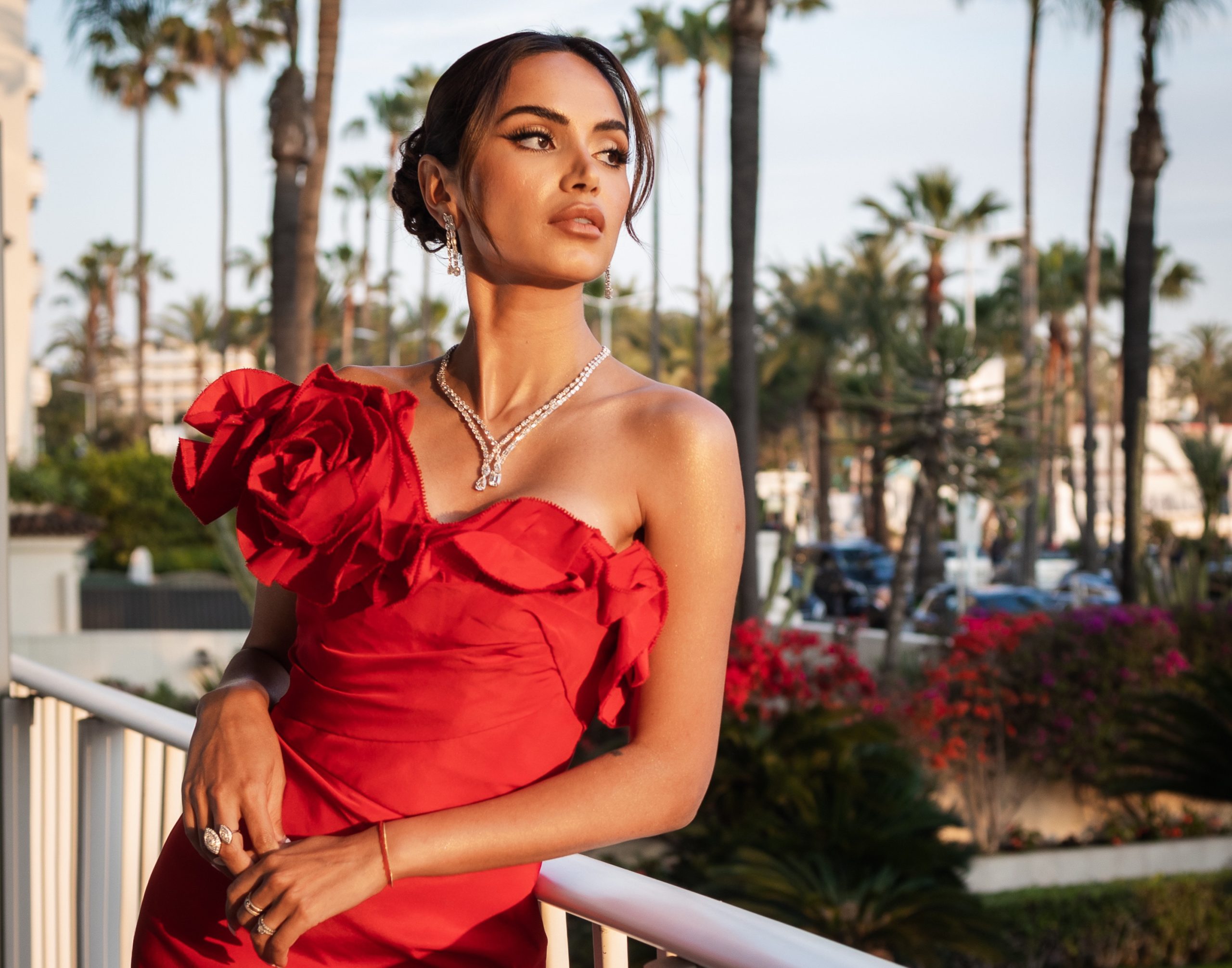
If one were to describe a new generation of influencers who are disrupting traditional marketing and redefining the rules of consumer purchasing then it would be apt to call them “digital celebutantes.”
With a following of over 2.2 million, influencer Diipa Büller-Khosla can certainly be counted among the pioneers in this change. Büller-Khosla is the first Indian influencer to speak at The World Economic Forum’s (WEF) annual meeting at Davos in 2022. She was also the first Indian-born influencer to walk the Cannes Film Festival in 2018 and to address the British House of Commons in 2020.
A regular face in the fashion circles of New York and Los Angeles, Büller-Khosla was in Los Angeles recently for the finale premiere of the documentary “Show Her the Money,” that follows her entrepreneurial journey—how she was able to raise capital for her beauty brand Indē Wild and the launch of its product lines. Indē Wild’s ayurvedic products are quickly gaining popularity across the U.S.
Come 2025, Büller-Khosla is looking forward to what she calls an “epic launch” of her brand at Sephora’s U.S. market. With a huge following amongst the Indian American community, Büller-Khosla is recognized for breaking cultural barriers.
READ: Capturing an inspiring journey: Documentary released on Indian American entrepreneur Dinesh C. Patel (February 4, 2024)
Büller-Khosla’s portfolio distinctly summarizes how influencer marketing is reshaping not just the fashion industry but also the traditional marketing and sales industry. The new age influencer has used her platform to launch herself as an entrepreneur; her beauty brand Indē Wild just announced a major partnership with Sephora UK.
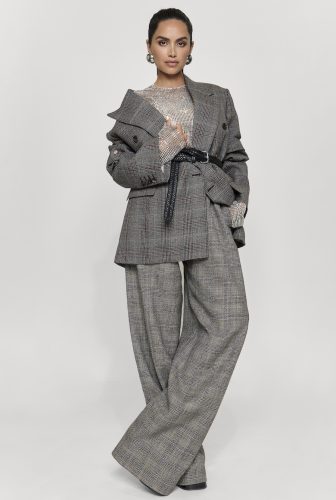
With her husband, Dutch diplomat Oleg Büller, she set up the Post for Change Foundation in 2019 to focus on her advocacy for using social media for social change.
Born in Delhi and brought up in Chennai and Ooty, Diipa’s foray into the world of social media began after interning at the United Nations’ International Criminal Court and IMA Influencer Agency in London after completing her bachelor’s degree in international human rights law.
Post her recent appearance at the Victoria’s Secret Fashion Show in New York, Büller-Khosla talked to The American Bazaar on the intersection of digital influence, entrepreneurship, and redefining cultural norms as a South Asian woman in international fashion.
The American Bazaar: You have been one of the first social media creators of Indian origin to think about monetizing the medium. Tell us in detail about it—when you thought about it, how you went about it and what were your first financial experiences as an influencer?
Diipa Büller-Khosla: When I first started creating content, social media was an outlet for self-expression. But it wasn’t until I worked at an influencer marketing agency in London that I truly grasped the business potential. I realized that brands were already tapping into social media to reach wider, engaged audiences. That sparked the idea of monetizing my own platform. Initially, I began with small, local brands, understanding the basic dynamics of influencer partnerships, learning how to price my content and figuring out what the expectations were. The early days were a mix of trial and error—I often undersold myself, not fully understanding my worth or the value I was offering to brands. But with time, I learned how to craft better deals that reflected the true value of my influence. The biggest financial takeaway was that influencer marketing is much more than just promoting a product; it’s about fostering long-term relationships and trust between creators and brands.
Is influencer marketing the future of consumer marketing? Can you talk about how advertising has changed with the coming of social media and what does it herald about the business?
Yes, influencer marketing is not just a passing trend, it’s already shaping the future of consumer marketing. Traditional forms of advertising, like TV ads or print, are becoming less effective as people seek more authentic, relatable experiences. Social media has fundamentally changed how consumers engage with brands. Today, it’s not about seeing an ad—it’s about seeing a person or influencer who you trust, someone whose opinions feel real. Influencer marketing taps into that trust and provides a more personal, immersive experience for consumers. It also allows brands to build deeper, long-term relationships with their audience, rather than focusing on one-time promotions. We’re seeing a shift towards more storytelling and real-life experiences in brand messaging, which has proven to resonate more with today’s consumers.
READ: Bela Bajaria, Mindy Kaling among Hollywood Reporter’s Women in Entertainment Power 100 (December 11, 2023)
As a woman in fashion and a social media personality do you feel that people tend to overlook the business aspect? Can you tell us about building your own beauty brand, was it tough to get investments?
Being a woman in the fashion and beauty space often means that people focus solely on the “glam” side of things—the outfits, the photos, the influencer lifestyle. But there’s a huge business aspect that’s often overlooked. When I started building my beauty brand, Indē Wild, I knew that it was going to take more than just being an influencer. I had to position myself as a serious entrepreneur, not just a social media personality. Starting a brand in a male-dominated space—particularly when you’re promoting products targeted at women—was challenging. Securing investment[s] was one of the toughest parts of the journey. Many investors initially doubted the potential of a female-led beauty brand especially one that was centered around a minority group like desi women. It’s hard to convince men to invest in a product that they themselves don’t understand the use for but after a lot of rejections, persistence, and refining my vision, we secured funding from a women-led venture capital firm. It was a pivotal moment, and it showed me the power of staying true to your vision and not giving up. A common misconception about being a digital influencer is that it’s easy money, but the reality is that it’s a highly competitive and demanding business. It requires a deep understanding of branding, marketing, and entrepreneurship, just like any other startup.
Can you tell us about your presence at Davos?
Being invited to Davos was one of the most surreal and humbling experiences of my career. It came through the World Economic Forum, which recognized the impact of digital platforms in driving global conversations. As the founder of Post for Change, I was honored to contribute to discussions around diversity, inclusion, and the role of digital media in empowering women. The experience was eye-opening, not just because of the world leaders and innovators I had the chance to meet, but because it reinforced my belief in the power of social media as a tool for positive change. It was incredible to see how much potential there is to create a meaningful impact through these platforms.