



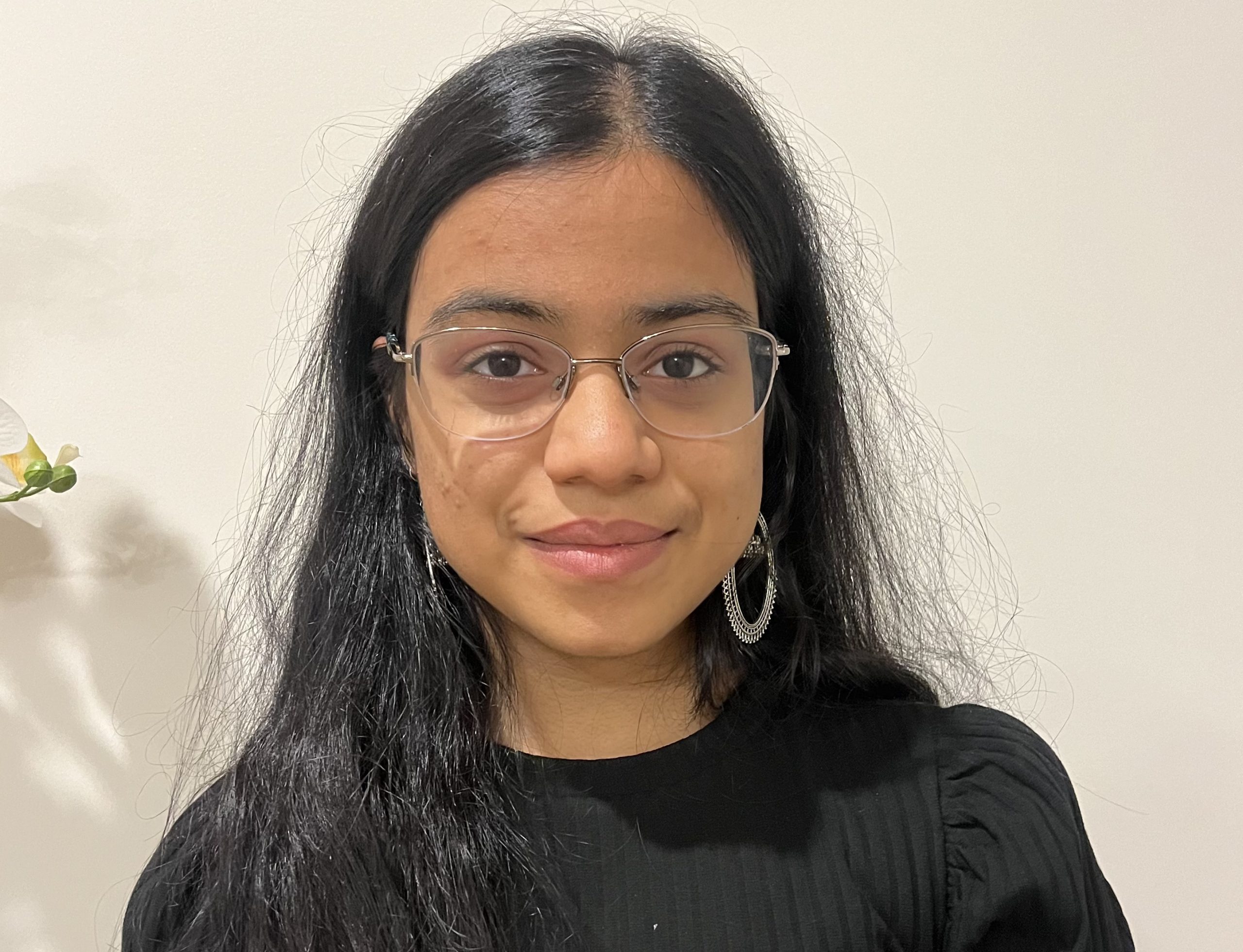
Access to literature is a crucial yet often overlooked aspect of education, particularly in rural communities where students may have limited access to books outside of textbooks. Shaunya Kumar, a high school student in Minnesota and the founder of Rural Literacy Empowerment (RLE), is working to bridge this gap by providing diverse literature to underserved students in rural India.
Inspired by her passion for reading and her experience at the India Philanthropy Alliance essay contest, Kumar launched her initiative in 2023 to empower young learners by fostering a love for reading.
READ: Automating healthcare administration: In conversation with Eden’s Naomi Rajput and Evan Smith (January 2, 2025)
Through strategic partnerships with non-profits and local businesses, RLE is building a sustainable model to ensure that children not only receive books but also develop a lifelong reading habit.
In an exclusive interview with The American Bazaar, Kumar shares her entrepreneurial journey, the inspiration and challenges behind starting RLE.
The American Bazaar: Every initiative has an origin story, so how did Rural Literacy Empowerment come to be?
Shaunya Kumar: You know, I’ve had the ideas floating in my head for a long time, like a couple of years. What really happened was my freshman year, I applied to the India Philanthropy Alliance essay contest, and it just so happened that I won. I had the opportunity to go to the Stanford GIFT Summit and be a guest panelist there. I was able to sit with all these philanthropists at one table and hear their origin stories.
They were asking me what I wanted to do in philanthropy and non-profit management, and we were just bouncing ideas off each other. It felt really inspiring—like I can do the same things that they’re doing right now. That experience pushed me out of my shell and made me realize that I can start networking and take action immediately.
Beyond that, I love reading. I think reading is a privilege, but it should also be a right. Everybody should have access to books that are inspiring and expand their worldview. My first role models came from books—like Harry Potter and Percy Jackson. Books hold such power in representation and feeling heard, especially when you don’t feel that way in real life. I believe every student should have the chance to read literature beyond just academic textbooks.
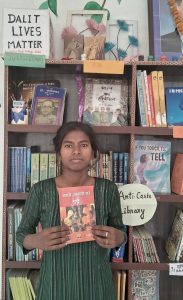
Your mission is to empower underserved students in rural India by increasing access to literature. But how do you ensure that students genuinely enjoy reading, rather than just seeing it as another academic requirement?
Right now, I’m working with my new non-profit sponsors, Vidya-Gyan USA (a non-profit organization based in Minneapolis), to develop a structured coaching system. We’re collaborating with local school administrators and staff to integrate books into their curriculum. For example, they can introduce students to different genres during school hours and take them to libraries where they can read outside of their regular studies. We piloted this program at one of our partner schools, and while I haven’t been as in touch with them recently, their social media updates show they’re doing well.
What were some of the biggest challenges you faced when starting this initiative?
The biggest challenge was doing everything by myself. My parents are IT engineers, and while they’ve been super supportive, I didn’t have mentors in the non-profit space when I started.
For a while, I was sending 30 to 40 cold emails a day—trying to network, meet people, and build partnerships. It was frustrating to put so much effort into emails and calls and not get responses. But eventually, I met my first non-profit partner, Dalit Solidarity, and they were incredibly supportive. From there, I started meeting more people and networking.
Another challenge was investing time and energy into potential partners only to experience communication gaps that made it difficult to sustain collaboration. But I’ve learned to adapt and keep pushing forward. RLE is like my baby—I’ve put so much effort into it, and I know there will always be challenges, but I’m excited to keep learning and growing.
You’re incredibly young to be leading such a meaningful project. How do you balance school, your non-profit work, and other responsibilities?
Time management just kind of happens when you have priorities. Family, education, and this work are all important to me, so I make sure to balance everything accordingly. School always comes first, but RLE is what I do outside of school.
What was the official launch date for RLE, and how big is the team working on this project?
We don’t have 501(c)(3) status yet, so I wouldn’t call it a hard launch. But I started networking and fundraising around September 2023. By early 2024, Right to Live Foundation sponsored our website, and from there, we started growing.
Right now, it’s just me leading RLE, but Vidya-Gyan USA has two team members who are actively helping with our projects. It’s a small but very powerful team at the moment.
I read on your website that RLE collaborates with local businesses and volunteers. What kind of businesses do you usually work with?
Most of our collaborations are with local book distributors. The challenge with fundraising for books in the U.S. is that many people want to donate physical books but shipping them to India isn’t cost-effective and involves many government protocols.
So instead, we raise funds and purchase similar books from local distributors. That way, we’re supporting local businesses while also ensuring the books reach students efficiently.
I also noticed that you channel most of your donations directly into your partner non-profits. What are some of the non-profits that you collaborate with?
So all of the donations go to the non-profits. The partner non-profit I’m with right now, Vidya-Gyan USA, is also willing to match everything I give to them. The way I raise money is through a combination of crowdfunding—asking people in my network for donations—and reaching out to grants and foundations. If a foundation gets excited about what I’m doing, they might offer even more funding, and everything just starts adding up, especially with the matching contributions from my partner non-profit.
READ: Inside ClickMe: A conversation with Professor Thomas Serre and Jay Gopal on advancing explainable AI (February 19, 2025)
Where do you see RLE in the next few months or years?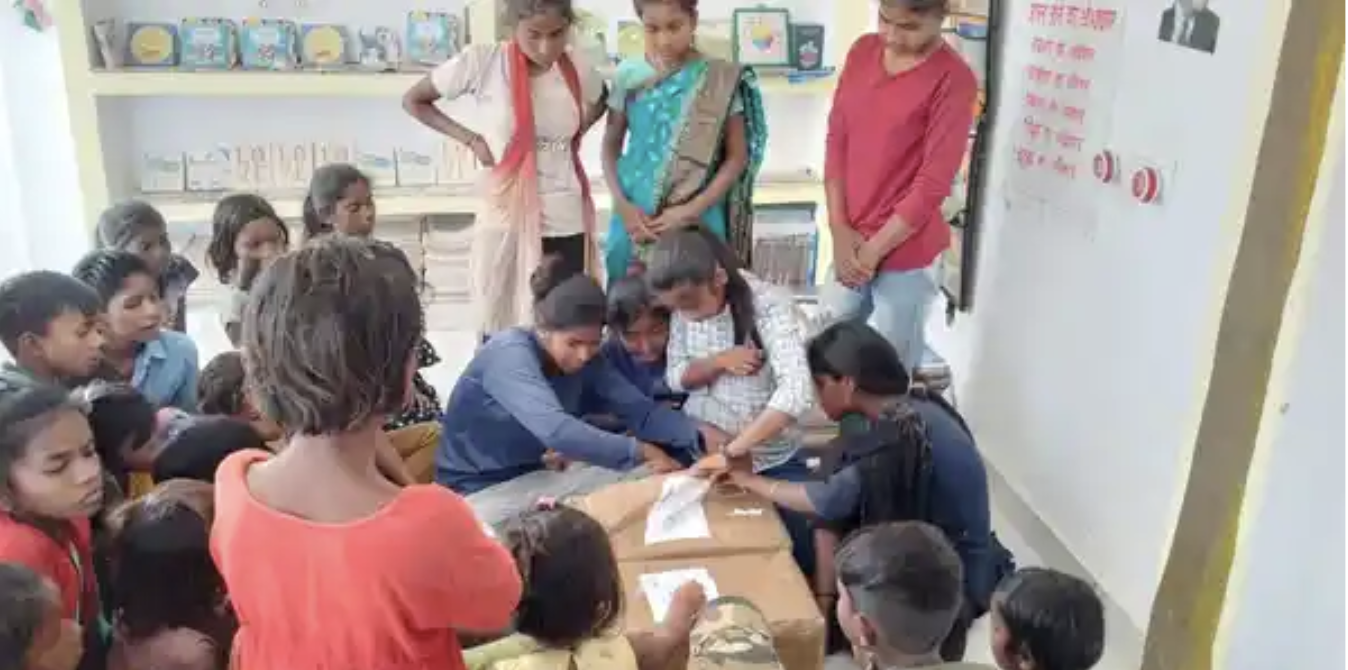
I want to scale up our learning programs to make a direct impact on the field. We’re currently working on a new project in partnership with Vidya-Gyan USA to support two underserved government schools in Saharanpur, Uttar Pradesh. We’re raising $6,000 by early February to begin needs-based assessments.
Another initiative I’m excited about is connecting with smaller authors to donate books and volunteer for speaker sessions with students. If we can raise $3,000, Vidya-Gyan will match it, doubling our impact. I want to raise awareness so that more schools reach out to us for support, rather than us having to search for schools to help.
If you would like to contribute, please follow the link to this page.
Rural Literacy Empowerment is transforming how students in rural India access literature, ensuring they can explore stories beyond academic textbooks. With strategic partnerships and a growing network of supporters, Shaunya Kumar is leading a movement that promotes a love for reading among underserved communities.