


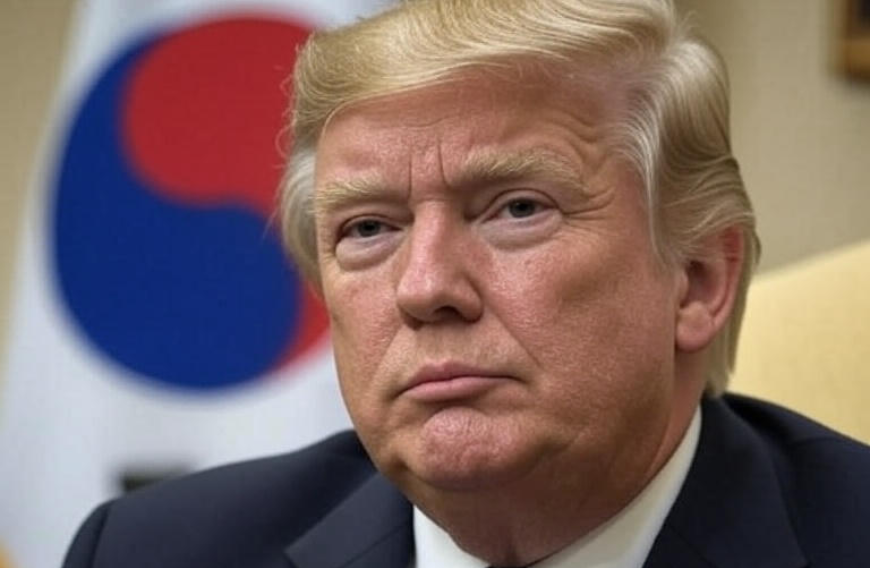
It looks like the South Korean workers who were detained by Immigration and Customs Enforcement (ICE) after a raid at a Hyundai plant may be sent home. More than 300 South Koreans who were detained in a sweeping Immigration and Customs Enforcement (ICE) raid on a Hyundai-LG battery plant in Georgia last week will finally be going home on Thursday after a delay reportedly due to an offer from President Donald Trump for them to continue working in the U.S.
The operation targeted subcontractor labor allegedly working without proper authorization. Hyundai stated that none of the detained individuals were direct employees. The incident triggered diplomatic tensions with South Korea, which secured the release and repatriation of over 300 of its citizens.
Hyundai has since paused construction on the battery facility and pledged to review its subcontractor oversight. The raid has raised concerns among global investors about the risks of U.S. operations involving foreign labor and complex supply chains. It may prompt stricter enforcement of immigration and labor laws and impact future foreign investment in the U.S. auto industry. The operational EV assembly plant remains unaffected for now.
READ: 300 South Korean workers detained, Hyundai raid angers South Korea? (
A foreign ministry official told South Korean news agency Yonhap that the detainees were initially set to depart the U.S. on Wednesday, but Secretary of State Marco Rubio told South Korean Foreign Minister Cho Hyun during negotiations for their release that Trump wanted to “encourage” the Koreans to remain in the country.
“That led to a halt in the departure process, in order to first hear Korea’s position on whether the detained nationals, all of whom are skilled workers, want to return home or stay in the U.S. to continue working and help train American personnel,” the official said, adding that the detainees—who had been restrained in handcuffs and ankle chains at their arrest, according to footage released by the U.S. authorities—were “extremely shocked and exhausted” and should return home first but could return to the U.S. at a later date.
330 detainees—316 Koreans as well as 10 Chinese nationals, three Japanese, and one Indonesian—out of 475 detained on Sept. 4 were released from an ICE facility in Folkston, Ga., and will return to Seoul on Thursday afternoon on a chartered flight from Atlanta with no restraints, according to Cho.
READ: Hyundai announces $21 billion US investment (
“Each person was allowed to choose, and the U.S. government said essentially, ‘If you want to go, you may go; if you want to stay, you may stay,’” South Korean President Lee Jae-myung said at a news conference in Seoul on Thursday. One South Korean detainee chose to remain in the U.S., Lee said.
Trump’s offer appears to be an about-face from last week’s raid, after which he urged foreign companies “to please respect our Nation’s Immigration Laws” and to “hire and train American Workers.” Georgia state officials had also embraced the crackdown, which was part of a nationwide initiative called “Operation Take Back America.”
This incident may mark a turning point in how the U.S. balances immigration policy with its industrial and economic ambitions. As global firms evaluate the legal and reputational risks of operating in the United States, questions around subcontracting, labor verification, and diplomatic fallout are likely to influence future investment decisions. South Korea’s swift diplomatic response also underscores the increasing role foreign governments are playing in protecting their nationals abroad.