


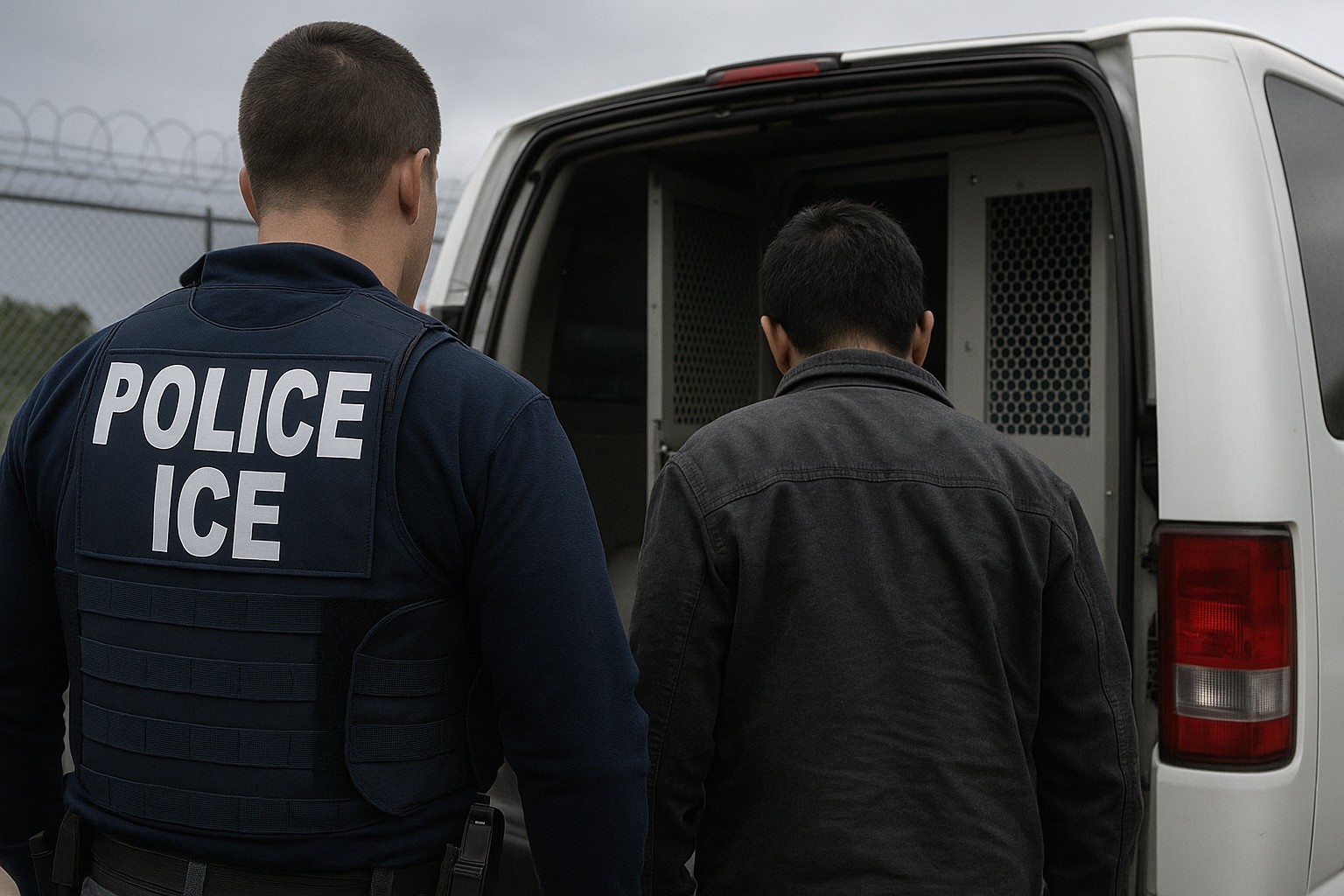
Harjit Kaur’s case, marked by allegations of mistreatment in detention, has become a flashpoint in debates over immigration enforcement.
Harjit Kaur, a 73-year-old Sikh grandmother who had lived in California for more than three decades, has been deported to India after weeks of detention that her attorney and community advocates describe as inhumane treatment at the hands of U.S. Immigration and Customs Enforcement (ICE).
Kaur, who had faithfully reported to ICE every six months for more than a decade, was abruptly detained during a routine check-in on September 8 in San Francisco. Despite having lived in Hercules, California, since the early 1990s — working modest jobs to raise her two sons and support her five grandchildren, many of whom are U.S. citizens — she was taken into custody and transferred between multiple facilities.
According to her attorney, Deepak Ahluwalia, Kaur’s family had booked her a commercial flight to India so she could return with dignity and be accompanied by a relative. Instead, ICE transferred her without notice from Bakersfield, California, to Lumpkin, Georgia, before placing her on a charter deportation flight. Her family never had the chance to say goodbye.
READ: Trump blocks deportation of South Korean Hyundai plant workers after ICE detention (September 11, 2025)
In statements shared by the Sikh Coalition and her attorney, troubling details have emerged about Kaur’s detention. She was allegedly held for hours in cells without a bed or chair, forced to sleep on the floor, shackled during transport, and denied vegetarian meals consistent with her faith. At times, she was reportedly given nothing more than an apple — or even a plate of ice — to take her medication. She was also prohibited from showering, denied basic medical care for days, and frequently refused access to water and hygiene supplies.
“This treatment is unacceptable for any person,” the Sikh Coalition said in a statement, “but it is especially disturbing that a 73-year-old grandmother had to endure such conditions.”
Kaur’s long immigration journey began in 1991 when, widowed and raising two young sons, she fled political turmoil in Punjab and resettled in the United States. Over the years, she filed multiple asylum applications, all of which were denied, the last in 2012. Though her legal avenues for permanent residency had closed, she remained in the country, paying taxes and working as a seamstress at a Bay Area sari shop, Sari Palace, for nearly two decades.
Her community remembers her warmly. Online, many expressed heartbreak and disbelief. “This has been heartbreaking,” one commenter wrote. “I remember her from Sari Palace. She was so kind and talked to me like I was family even though it was my first time there.”
The Sikh community in California and beyond has followed her case closely, viewing it as emblematic of a broader crackdown by immigration authorities. Critics argue her deportation underscores not only ICE’s harsh tactics but also larger policy shifts that have left vulnerable immigrants — especially elders — at heightened risk of mistreatment.
For years, her deportation was delayed because she lacked the necessary travel documents. Indian missions in the U.S. typically require verification of identity and origin before issuing emergency travel certificates, a process that can take weeks. This time, however, her deportation was carried out swiftly.
Kaur has now landed in India and is en route to Punjab, according to her attorney. Her family and community supporters remain deeply concerned about the treatment she endured in her final days in the United States.