


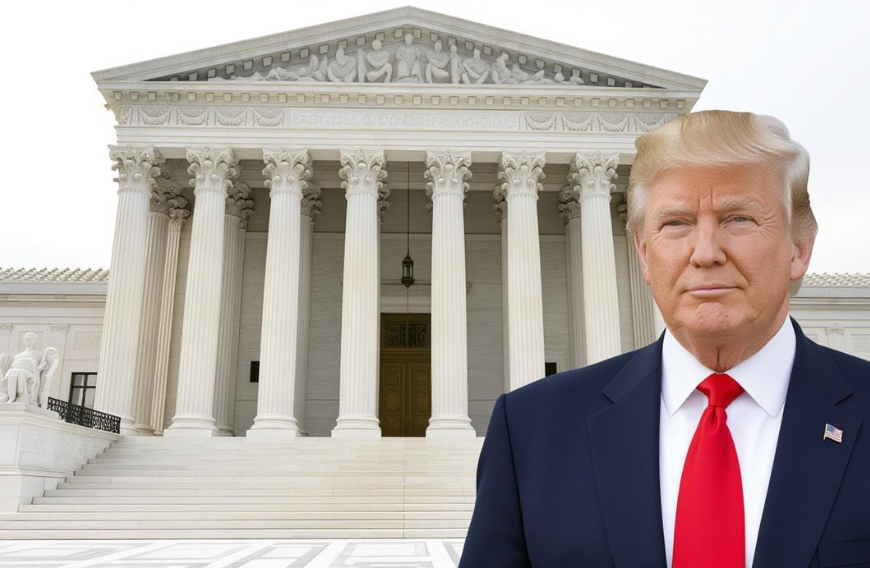
It looks like President Donald Trump and the Democrats were not able to reach an agreement and the government shutdown will proceed as planned.
Democrats sought to drive a wedge between Trump and his Republican allies in Congress, saying the president showed an interest in extending a tax break that lowers health costs for 24 million Americans at a White House meeting on Monday.
“It’s in the president’s hands whether we avoid a shutdown,” Senate Democratic Leader Chuck Schumer said after the meeting.
“They had some ideas that I actually thought were reasonable, and they had some ideas that the president thought was reasonable. What’s not reasonable is to hold those ideas as leverage and to shut down the government,” Vice President JD Vance said.
READ: October 1 government shutdown deadline nears: What it means for Americans? (September 10, 2025)
The U.S. government is on the verge of a shutdown due to a political standoff in Congress over short-term funding. The federal fiscal year ends on Sept. 30, and without new legislation to authorize spending, many federal agencies will begin shutting down operations on Oct. 1.
The key dispute centers around whether the stopgap funding bill, known as a continuing resolution, should include extensions to health insurance subsidies tied to the Affordable Care Act. Democrats want those protections included, while Republicans, now the majority party in both the House and Senate, argue the funding should be passed separately without added policy items.
Further complicating the situation, some hardline Republicans are refusing to support any extension unless it includes deep spending cuts, even if it means a shutdown. This has fractured GOP unity and stalled the bill’s progress.
“If Congress doesn’t do their job, then you allow the executive branch to do it the way that they see fit. It’s a really good reason why we should not have a shutdown,” Republican Senator Mike Rounds of South Dakota said.
“It’s not about politics or who gets blamed for it. It’s about the damage to millions of Americans,” Democratic Senator John Fetterman of Pennsylvania told reporters.
READ: Trump to meet lawmakers before US government shutdown (September 29, 2025)
The Trump administration is leading shutdown preparations, directing agencies to plan for extensive furloughs and potential long-term staffing cuts in unfunded areas. Essential services like air traffic control and military operations will continue, but agencies such as Health and Human Services and the Labor Department could see major disruptions.
Unless a funding deal is reached within days, the U.S. will enter its first government shutdown in nearly seven years, affecting millions of workers, delaying paychecks, and halting key federal programs.
While moderate voices from both parties sought compromise, hardline Republican demands for deep cuts and Democratic insistence on health protections have stalled progress. As a result, federal agencies are preparing for widespread disruptions, with non-essential services suspended and hundreds of thousands of employees facing furloughs.
Essential operations will continue, but the shutdown will impact millions of Americans and increase political tensions in Washington. With no immediate resolution in sight, the consequences will be felt nationwide until Congress reaches a funding agreement.