



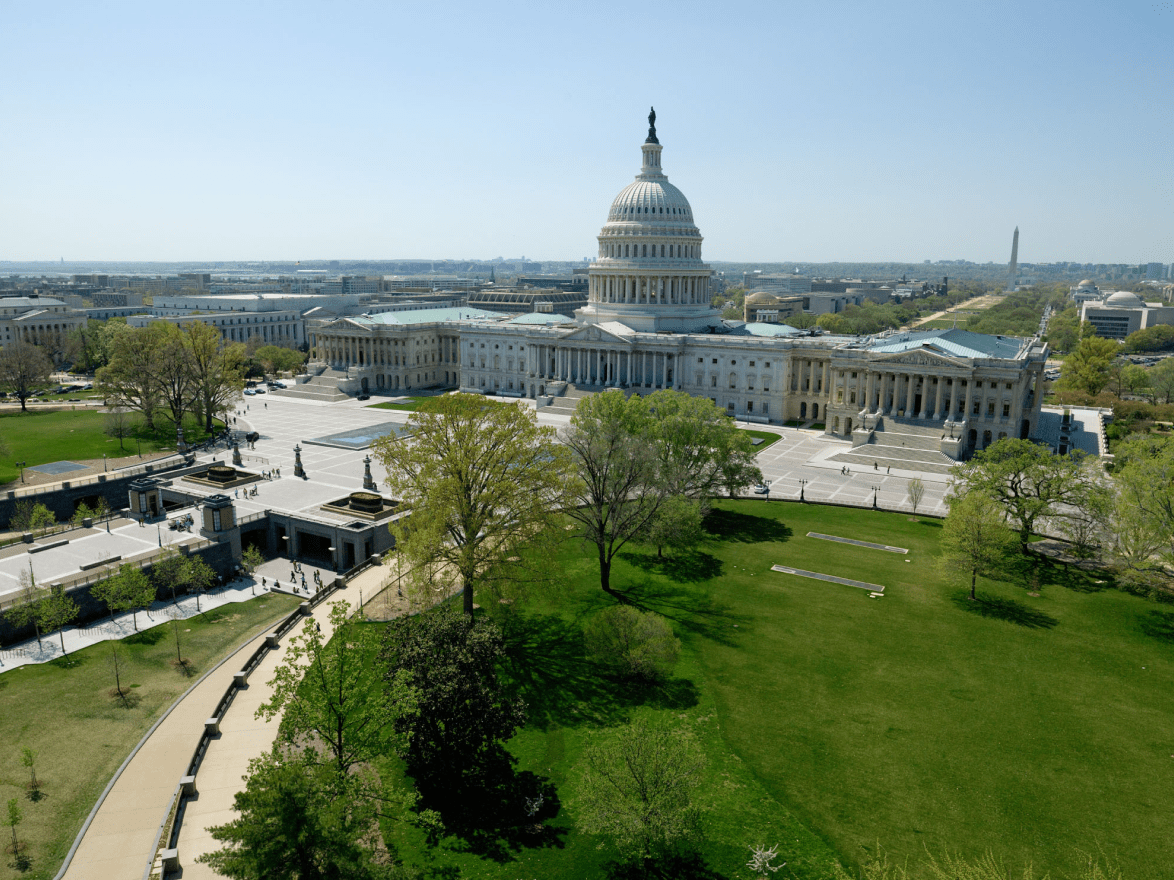
Millions of Americans could soon feel the squeeze of a government shutdown as Democrats face growing pressure to stand firm against President Donald Trump ahead of the October 1 deadline.
For Democrats, forcing a shutdown carries political risks, especially after they sidestepped the option earlier this year. But many in the party see a showdown as the only way to satisfy a restless base demanding tougher resistance to President Trump. Republicans may hold both chambers of Congress, yet they can’t push a funding bill through without at least seven Democratic votes. Senate Minority Leader Chuck Schumer (D-NY) has made clear that the responsibility now lies with Republican leaders, urging them to strike a bipartisan deal to keep the government running.
The clock is ticking, with federal funding set to run out at midnight on Sept. 30. Unless lawmakers strike a deal, the new fiscal year beginning Oct. 1 could open with parts of the government grinding to a halt.
If negotiations fail and the government shuts down, the fallout will land quickly on ordinary Americans. Federal workers could be furloughed without pay, families relying on government programs may face delays in benefits, and travelers could see disruptions at airports. Even small businesses that depend on federal contracts might feel the pinch, turning a political fight in Washington into real-life stress for households across the country.
READ: Trump-linked venture fund 1789 Capital crosses $1 billion in assets (
Back in March, some Democrats were so frustrated with Chuck Schumer that they even pushed for his removal after he sided with Republicans to keep the government open, arguing a shutdown would cause more damage than leverage.
Since then, Trump has clawed back billions in federal funds approved by Congress, rolled back key parts of the Affordable Care Act, and sent the National Guard into U.S. cities, moves that have only hardened Democratic anger. By Tuesday, House Democrats were openly worried that Schumer might cave again. “The overriding concern was that Senate Democrats will get cold feet,” one lawmaker told Axios.
Since 1981, the U.S. has experienced 14 partial government shutdowns, many of which wrapped up within a day or two, as per Reuters. But the longest came during President Trump’s first term, stretching 34 days from late December 2018 into January 2019, after a bitter standoff with Congress over border wall funding. During the record 35-day shutdown in late 2018 and early 2019, roughly 800,000 federal workers missed paychecks, according to previous reports by USA TODAY.
If Congress can’t reach a deal or if President Trump refuses to sign it, large parts of the federal government could grind to a halt. Agencies and programs that depend on yearly funding would be forced to pause, and hundreds of thousands of federal employees labeled “nonessential” would be sent home without pay until lawmakers resolve the impasse.
READ: Billions in Tariffs at Risk as Supreme Court Reviews Trump Policy (September 8, 2025)
Even those considered “essential,” like active-duty military personnel, would have to keep working while at the Pentagon, about half of its 800,000 civilian employees could be furloughed, while critical operations, including the National Nuclear Security Administration that manages the nation’s nuclear arsenal, would continue to run. Even Core security functions won’t stop like agents from the FBI and DEA, as well as federal prison staff, are expected to stay on duty. The Secret Service and Coast Guard would also keep operating, even if paychecks are delayed.
Border Patrol officers and immigration agents would remain on duty, but local governments supporting migrants would see new federal aid paused. At airports, TSA screeners and air traffic controllers are still expected to work, yet hiring freezes and stalled infrastructure projects could stretch the system further. In past shutdowns, unpaid staff calling out sick led to flight delays and cancellations, a risk that could hit especially hard if the standoff drags into a busy travel season.
With the clock ticking toward the October 1 deadline, the looming shutdown is more than just another political clash in Washington, D.C. It’s a test of how much ordinary Americans can endure in case this takes place.