



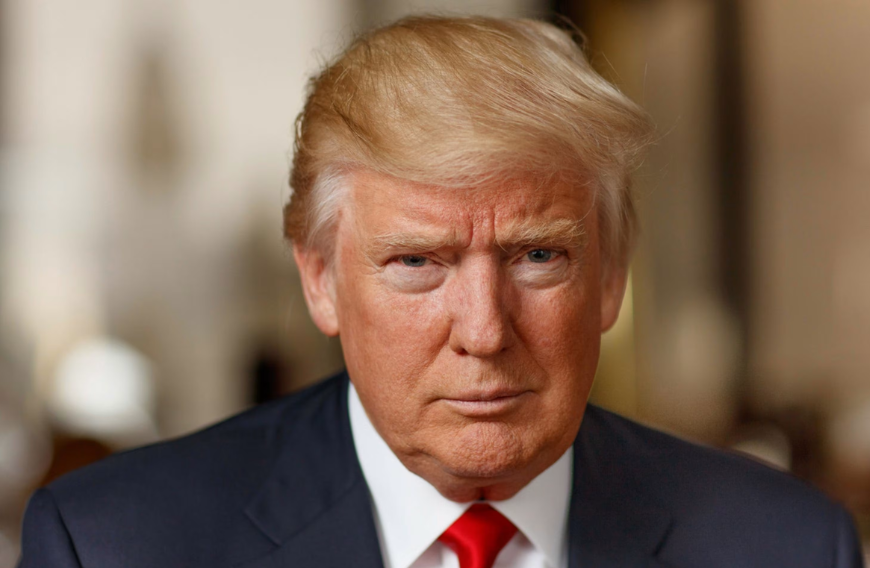
President Donald Trump is threatening to deploy troops to American cities by invoking a centuries old act. Trump has threatened to invoke the Insurrection Act of 1807 to deploy troops to American cities, intensifying a stand-off with Democratic-led states resisting his use of the military on U.S. soil.
“We have an Insurrection Act for a reason,” Trump told reporters in the Oval Office on Monday, citing a law enacted in the early 19th century to crush rebellions.
“If I had to enact it, I’d do that — if people were being killed and courts were holding us up, or governors or mayors were holding us up.”
“There is no insurrection here,” JB Pritzker, the governor of Illinois, told reporters on Monday. “Donald Trump is using our service members as political props and pawns in his illegal attempt to militarise our nation’s cities.”
The White House defended the deployments in a briefing with reporters on Monday.
“It’s a shame that we see in some cities across the country, that their mayors are just simply refusing to co-operate because they don’t like Donald Trump,” said Press Secretary Karoline Leavitt. “That’s what this boils down to.”
The Insurrection Act of 1807 is a United States federal law that empowers the president to deploy U.S. military forces within the country to suppress civil disorder, insurrection, or rebellion. Originally enacted to help the federal government respond to violent uprisings or when state authorities are unable or unwilling to maintain law and order, the Act allows the president to use the military to enforce federal authority and protect civil rights.
Under the Insurrection Act, the president can intervene without the consent of a state’s governor in situations where public safety is at risk, such as large-scale riots, violent protests, or insurrections that overwhelm local law enforcement. The Act has been invoked several times in U.S. history, including during the Civil Rights Movement and after natural disasters to restore order.
While the Act provides significant powers, its use is politically sensitive because it involves deploying the military on U.S. soil, which raises concerns about the balance between federal authority and states’ rights.
This centuries-old law grants the president extraordinary power to deploy military forces domestically in times of civil unrest when local authorities cannot maintain order. Trump’s stance reflects a readiness to use federal power to address perceived breakdowns in law enforcement, especially amid resistance from Democratic-led states. However, this move is highly controversial, raising concerns about the militarization of American cities and the potential infringement on states’ rights.
Critics argue that such actions risk politicizing the military and undermining democratic processes. The situation underscores the delicate balance between maintaining public safety and preserving civil liberties.