


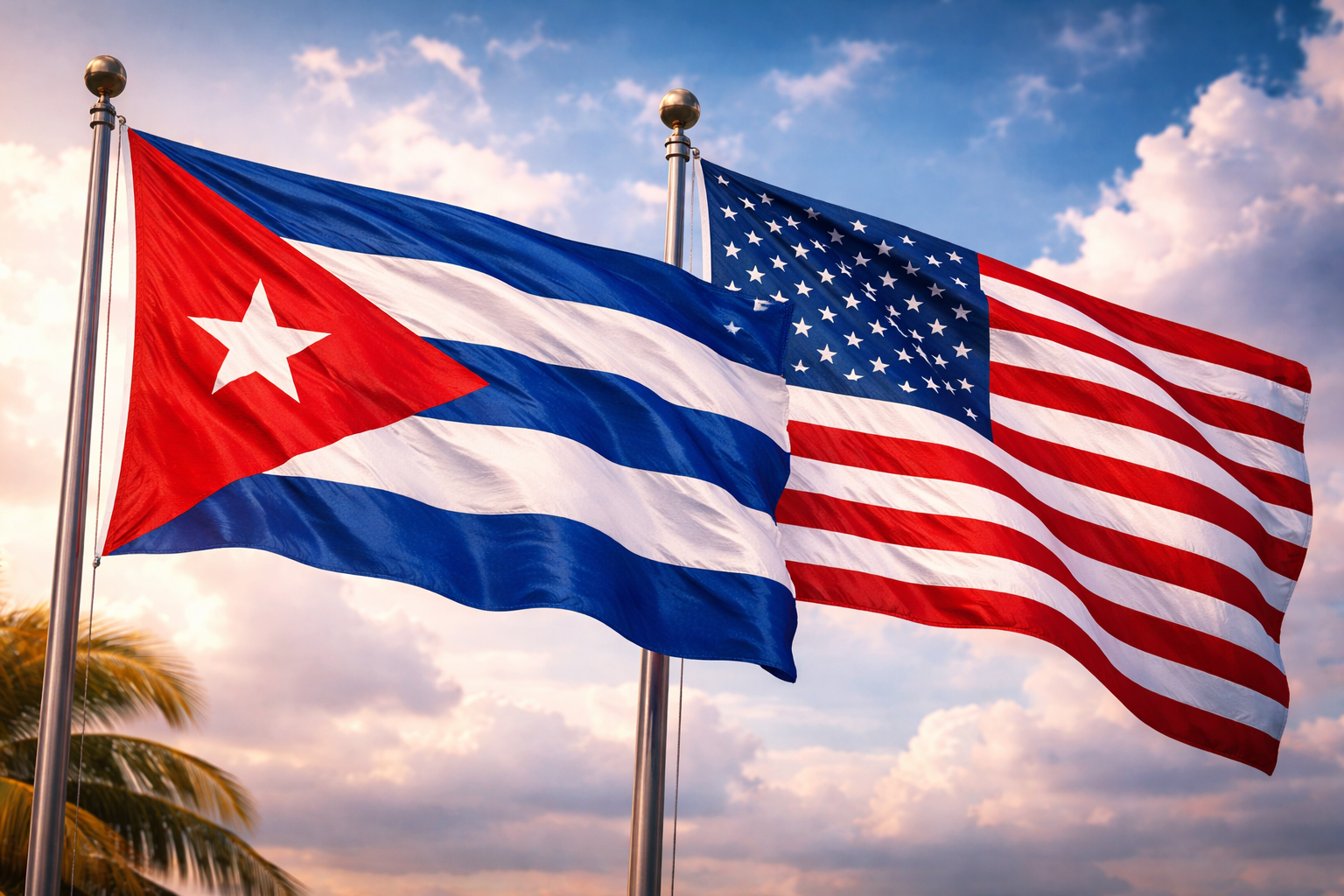
U.S. President Donald Trump appears to be escalating pressure on Cuba following the ouster of Venezuelan President Nicolás Maduro, a development that has sent shockwaves across the region. On Sunday, Trump issued a fresh warning aimed at Havana, Venezuela’s longtime ally, as Cuba braces for potential unrest amid rapidly shifting regional dynamics.
“THERE WILL BE NO MORE OIL OR MONEY GOING TO CUBA – ZERO!” Trump said in a social media post.
Hours later, Cuban President Miguel Díaz-Canel responded on X, sharply criticizing Washington’s stance. He said “those who turn everything into a business, even human lives, have no moral authority to point the finger at Cuba in any way, absolutely in any way.”
READ: Trump’s claims on Greenland and Venezuela rise fresh questions about US global role (January 12, 2026)
Trump, meanwhile, framed the developments in Venezuela as a turning point. “Venezuela doesn’t need protection anymore from the thugs and extortionists who held them hostage for so many years,” Trump said Sunday. “Venezuela now has the United States of America, the most powerful military in the World (by far!), to protect them, and protect them we will.”
Díaz-Canel pushed back again, arguing that criticism of Cuba ignores the country’s political sovereignty. “Those who hysterically accuse our nation today do so out of rage at this people’s sovereign decision to choose their political model,” he said, adding that “those who blame the Revolution for the severe economic shortages we suffer should be ashamed to keep quiet.”
Trump and senior administration officials have recently adopted an increasingly confrontational tone toward Cuba, which has long relied on Venezuela for oil shipments and financial support. With Maduro’s removal and Washington’s intensified pressure, those lifelines now appear under serious threat.
Cuba’s dependence on Venezuelan energy and economic aid has left it particularly vulnerable to sudden geopolitical shifts. Any disruption, whether driven by U.S. policy or changing alliances in Caracas, risks worsening Havana’s already severe economic crisis and highlights how energy dependencies continue to shape power dynamics in the region.
The unfolding episode underscores how abrupt leadership changes in one country can ripple across Latin America, affecting not just governments but ordinary citizens grappling with shortages, blackouts, and economic uncertainty. U.S. rhetoric and actions, framed as efforts to promote stability or strategic realignment, have drawn sharp criticism from Cuban officials who view them as coercive and destabilizing.
For policymakers in Washington, Havana, and beyond, the situation serves as a reminder that diplomatic engagement and humanitarian considerations remain critical even amid deep political disagreements. How tensions evolve in the coming months, and whether additional measures or retaliatory steps follow, remains unclear. The long-term consequences for Cuba’s economy, social stability, and regional diplomacy are equally uncertain.
The crisis could also influence the policies and alliances of other Latin American nations as they reassess economic and security ties in light of U.S. actions. Whether regional organizations or multilateral institutions step in to mediate tensions among the U.S., Cuba, and Venezuela’s interim leadership remains to be seen. The possibility of further sanctions, energy disruptions, or military posturing adds another layer of uncertainty, with implications for trade, investment, and migration across a deeply interconnected hemisphere.