



Fresh scrutiny around the so-called Epstein files is now rippling far beyond American shores, drawing in global business figures and prompting real consequences.
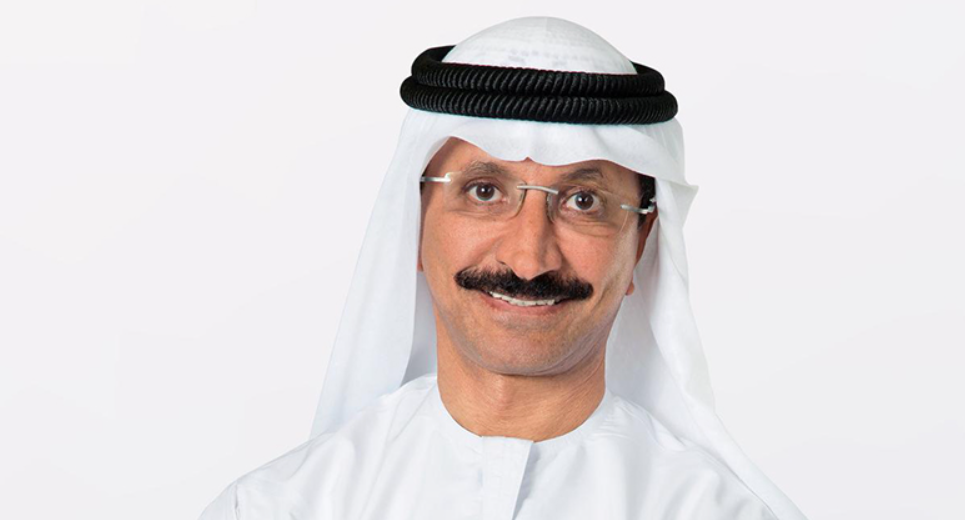
Sultan Ahmed bin Sulayem, the long-time chief executive of DP World, has stepped down after his name surfaced in documents linked to Jeffrey Epstein. In the records, Epstein is said to have described the Dubai business leader as a “close personal friend,” a characterization that has quickly drawn attention in Washington and across US financial circles.
DP World confirmed the leadership change on Friday, stating that Essa Kazim will step in as chairman while Yuvraj Narayan has been appointed chief executive officer, effective immediately.
The shake-up follows renewed attention to material tied to Jeffrey Epstein. While some emails in the files initially had names blacked out, Rep. Thomas Massie publicly identified bin Sulayem as the person Epstein was addressing in one message in which he wrote that he “loved the torture video.”
READ: Paul Weiss chairman Brad Karp steps down after Epstein email fallout (February 5, 2026)
Additional emails reviewed as part of the Epstein document disclosures suggest the two men were in contact for years, with exchanges dating back more than a decade. The correspondence, according to lawmakers who have examined the material, included explicit conversations about sex, massages and escorts. In one 2013 message, Jeffrey Epstein wrote to Sultan Ahmed bin Sulayem, calling him “one of my most trusted friends in every sense of the word” and praising his loyalty.
There is no allegation that bin Sulayem engaged in criminal conduct connected to Epstein. In the emails, however, he also described Epstein as a “very dear friend and a business associate,” language that is now drawing renewed scrutiny as investigators continue to examine the files.
Emails from that period show the relationship was not fleeting. In a message sent in 2013, bin Sulayem told Jeffrey Epstein that he had “a very nice time” at Epstein’s private island and thanked him for the use of his aircraft.
Records indicate the two men were in touch from at least 2007 through 2019, the year Epstein died by suicide in a New York City jail while awaiting trial on federal sex trafficking charges. The length and tone of the correspondence are adding to broader scrutiny surrounding figures whose names appear in the Epstein files.
The developments come against the backdrop of bin Sulayem’s long and influential run in global trade. The 71-year-old executive helped steer DP World to $18.3 billion in revenue in 2023, with total assets of $44.7 billion.
Widely regarded as one of the Middle East’s most powerful corporate leaders, he has led the ports and logistics giant as CEO since 2016. The company plays an outsized role in the UAE economy, contributing more than a third of Dubai’s GDP and roughly 12 percent to the broader national economy.
Investor pressure has begun to surface. Quebec’s public pension manager La Caisse said earlier this week that it was putting its partnership with DP World on hold, calling on the company to fully clarify the situation and take appropriate steps, according to the Montreal Gazette.
Bin Sulayem also has longstanding business links that extend into US political and commercial circles. He previously chaired Nakheel, Dubai’s state-owned developer, which in 2008 signed a licensing deal to build Trump-branded projects in the emirate. Business interests tied to him have also intersected with those of Donald Trump, including DP World’s sponsorship of the DP World Tour, which has staged tournaments at Trump-owned golf properties in Scotland.
The scope of the ties stretches further still. The Miami Herald was first to report that bin Sulayem was identified as the beneficial owner in Jeffrey Epstein’s purchase of Great St. James in the US Virgin Islands. Epstein had difficulty acquiring the island outright because of his criminal record, but the $22.5 million deal was ultimately completed through entities linked to bin Sulayem’s name.
Emails and related documents reviewed by reporters indicate Epstein later sought bin Sulayem’s help in advancing plans to turn the island into a high-end private resort.
The outreach reflects a broader pattern that investigators and journalists have pointed to for years: Epstein’s efforts to leverage relationships with wealthy and influential business leaders to back and legitimize his real estate ventures.