


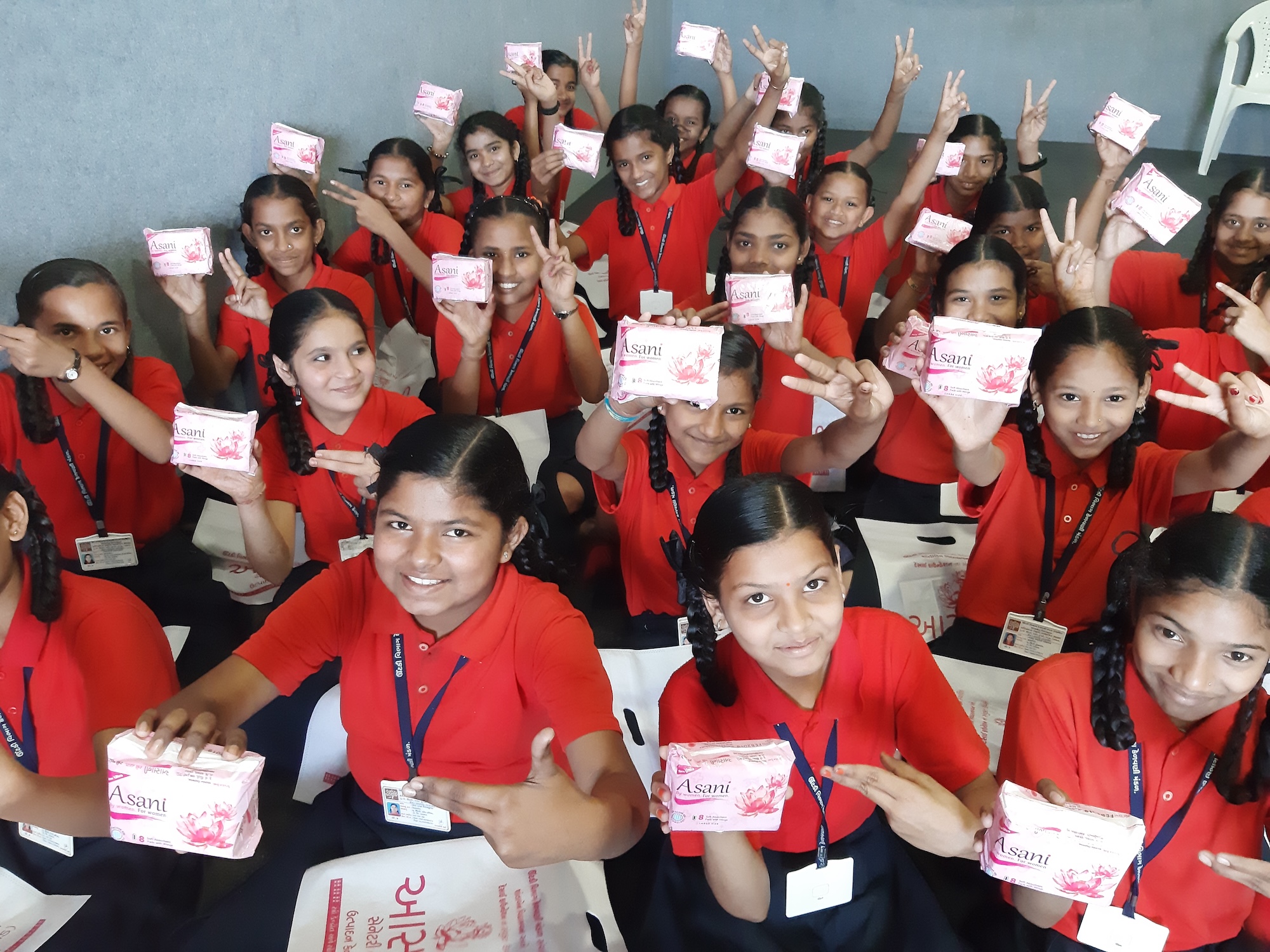
By Colby Siegel and Megha Desai
In a landmark decision in the Dr Jaya Thakur v Union of India case, India’s Supreme Court has ruled that schools must provide toilets and menstrual products for all menstruating students. At the heart of this ruling is Article 21 of the Indian Constitution, which guarantees every citizen the right to life, personal liberty, and dignity.
For decades, girls in India, particularly in rural areas, have faced invisible barriers simply because of their period. Missing school during menstruation, facing unsafe facilities, or lacking access to basic sanitary products has been a reality for millions.
The Court’s decision affirms that these obstacles are not personal struggles; they are violations of constitutional rights.
This ruling will be monumental for the girls in India. Over 30% of rural schools lack adequate toilets, forcing many girls to stay home for days each month. Without safe and private spaces to manage their periods, education is disrupted, confidence is undermined, and future opportunities are limited.
By explicitly connecting menstrual health to Article 21, the Court has recognized what advocates have long argued: dignity is inseparable from education, and access to menstrual resources is a matter of fundamental human rights. This is more than a policy change, it is a statement that the country has a duty to protect its citizens from structural inequalities rooted in gender.
For the Indian diaspora, this ruling carries profound significance. Families and communities abroad often navigate discussions about gender equity, menstrual stigma, and access to education from afar. Seeing India take decisive legal action to protect its girls is a source of immense pride.
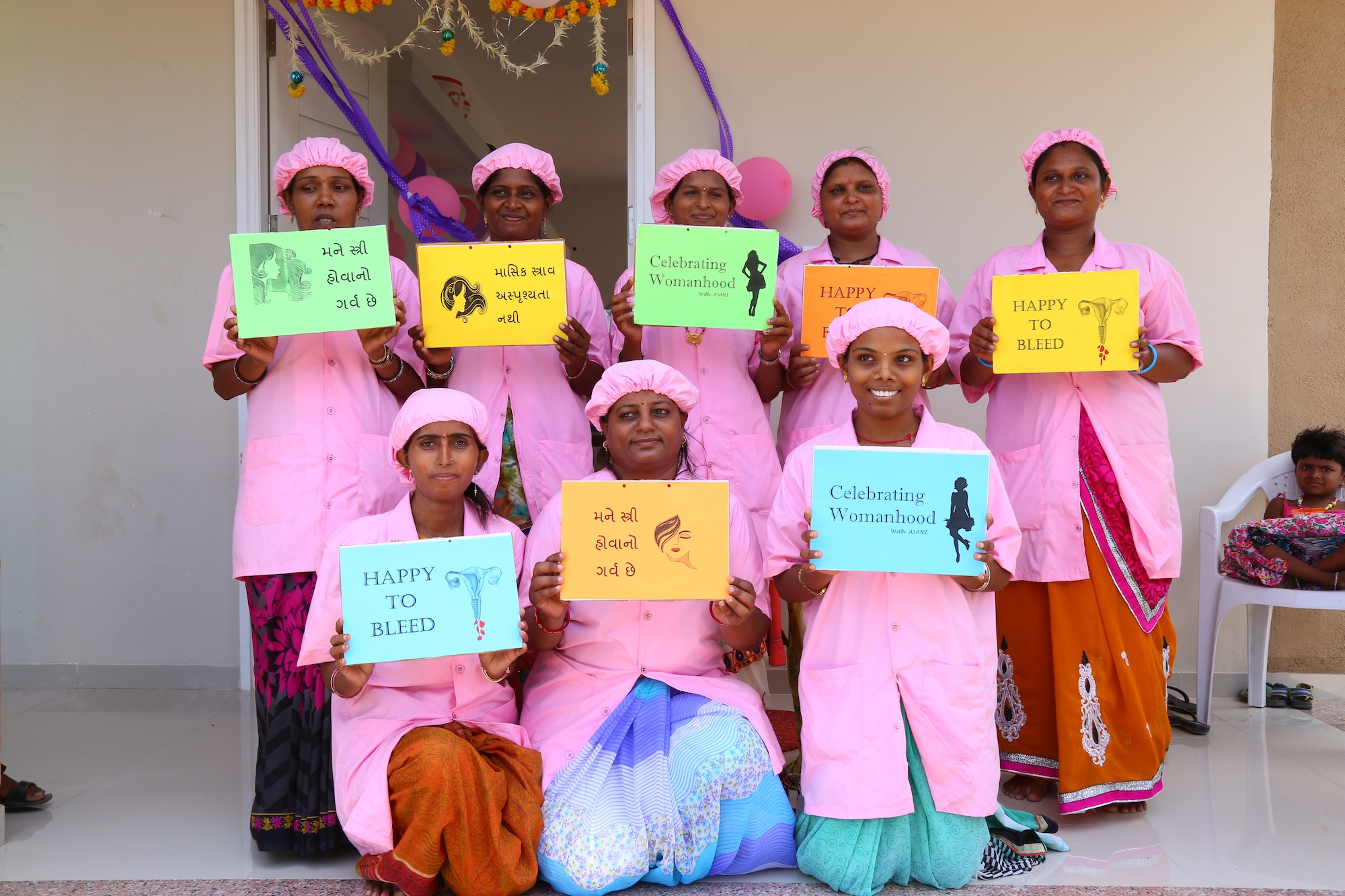
It signals that India is not only addressing domestic challenges but is also setting a global benchmark for women’s rights. This decision allows the diaspora to reflect on the values of justice and equality that connect communities worldwide and reinforces a shared belief: investing in girls is investing in the nation’s future.
Organizations like the Desai Foundation have long championed menstrual equity, ensuring that girls can attend school with dignity and without interruption. Their work highlights how grassroots advocacy, combined with awareness and education, creates the conditions for systemic change.
Today, the Supreme Court’s ruling validates these efforts and demonstrates the power of combining persistent advocacy with legal accountability. It also emphasizes that while policy is critical, the real impact is measured in the classrooms, toilets, and communities where girls’ lives are transformed.
The implications of this ruling extend far beyond India. Countries across South Asia, Africa, and beyond are observing closely, looking to India as a model for integrating women’s rights into law and policy. For the diaspora, this is a reminder that India’s leadership matters globally. What happens in India shapes conversations, policies, and expectations for gender equity worldwide.
It challenges governments and communities everywhere to consider: if a natural process like menstruation can disrupt education, work, and opportunity, how can we ensure dignity and equality for all?
This moment is both celebratory and catalytic. For Indians at home and abroad, it is a victory to be proud of, a confirmation that progress is possible when advocacy, persistence and the law intersect. But it is also a call to continue the work.
Ensuring every girl has access to education, safe facilities, and menstrual products requires sustained investment, attention, and innovation. India has shown that legal frameworks can enforce equality, but the journey toward full menstrual equity is just beginning.
In reaffirming the rights of girls under Article 21, India has not only transformed the landscape of menstrual health but has also taken a leadership position on women’s rights that the world cannot ignore.
For the diaspora, this ruling is a source of pride, a beacon of hope, and a reminder that systemic change is achievable, and that India’s fight for equality is a story that belongs to all of us, wherever we live.
The Desai Foundation is a nonprofit organization that empowers women and children through health, livelihood and menstrual equity programming across 8 states in rural India.