



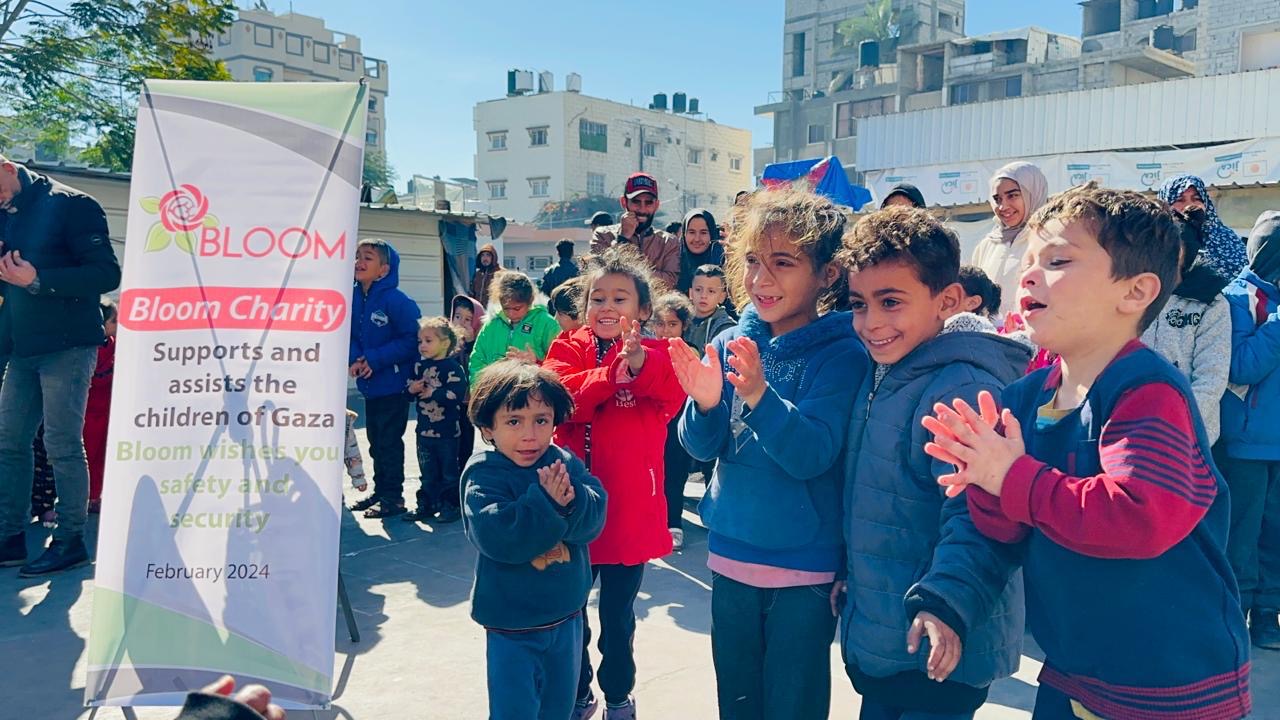
At a time when humanitarian aid is often defined by urgency and scale, BLOOM Charity is carving out a different path, one rooted in emotional healing, dignity, and long-term transformation. Founded by Amina Shams and Uzma Ahmad — the president and vice president respectively — the organization has grown from a deeply personal experience into a globally active nonprofit addressing the overlooked psychological needs of vulnerable communities.
From its beginnings in Morocco to its ongoing work in Gaza, BLOOM Charity has focused on redefining what aid looks like, placing mental health at the center of humanitarian response.
In an exclusive interview, Shams shares the story behind BLOOM, the philosophy guiding its work, and the realities of delivering aid in some of the world’s most complex environments
The American Bazaar: What moment made you start BLOOM, and what did you want to do differently from traditional charity models?
Amina Shams: BLOOM was born from a very personal life-altering moment for my family. Years ago, while visiting an orphanage in Morocco during the adoption proceedings of my youngest child, I saw children whose most basic survival needs of shelter and food were being met, yet their emotional and psychological needs were almost entirely overlooked.
When I met my son, he was an infant living at the orphanage on the 5th floor of a hospital building in the city of Meknes, Morocco. The children that lived in this orphanage had basic needs met, but no emotional care, no access to the outdoors or play spaces. They were trained to lay or sit in silence for hours on end. The silence in the nursery was the most tragic sound I have ever heard, because it spoke to the children having given up on anyone coming to care for their needs.
My son was only a few months old but already exhibiting signs of delay that worried me so much, I almost backed out of seeking custody. My husband and I decided that we would push forward and in just those few weeks of going through the legal process of gaining custody and rushing to the orphanage every chance we had to give him skin-to-skin contact and stimulation, we saw him BLOOM.
Children need safety, joy, relationships and care to truly thrive. They need childhood. As a mother, my heart ached to see them enjoying these basic human rights — to laugh, learn, and play.
I wanted to build something different from traditional charity models that focus only on transactions or short-term aid. From the beginning, BLOOM was designed to be holistic in its approach, leading with mental health in every layer of care. Our work is community-led, trauma-informed, and rooted in dignity — partnering with local communities, listening first, and investing in long-term healing rather than one-off interventions.
We cleared the rooftop of that orphanage and built our first ever BLOOM PlayGarden there. A bright green space with enrichment areas and play structures. When the children entered it for the first time, it was like watching birds be released from a cage. That moment defined our mission.
Khalid, our lead in Morocco, captured the footage of the children climbing the stairs and entering the rooftop PlayGarden for the first time. He said it was like “watching birds be released from a cage.” Since then, we knew we had found a critical unmet need for vulnerable children in crisis and trauma — their need and right to a childhood! I knew this was a mission I had to push forward.

Why did you name the charity as BLOOM, and what does it mean to you?
When I met my adoptive son, I was concerned about the milestones he wasn’t meeting and wondered about his long-term health and outcomes. As we moved forward with the adoption and I gave him as much physical touch and love as possible, I saw rapid change.
When people asked how he was doing, I would say, “He’s blooming.” I see children as flowers, the seeds of love must be planted, nurtured, and cared for so they can blossom to their full potential.
How did BLOOM decide to scale its crisis work in Gaza, and what needs were most urgent when you began?
BLOOM did not enter Gaza impulsively. In 2023, after having sound evidence of the impact and success of our approach, we scaled our mission to a globally serving nonprofit organization.
When the crisis in Gaza and the genocide began, we immediately knew we had to act around mental health. It is often treated as a nonessential need in conflict, but mental and physical health are deeply interconnected.
We listened carefully to trusted local partners already embedded in the community. As the crisis escalated, the urgency became undeniable – pregnant women without nutrition, children without food or clean water, families repeatedly displaced.
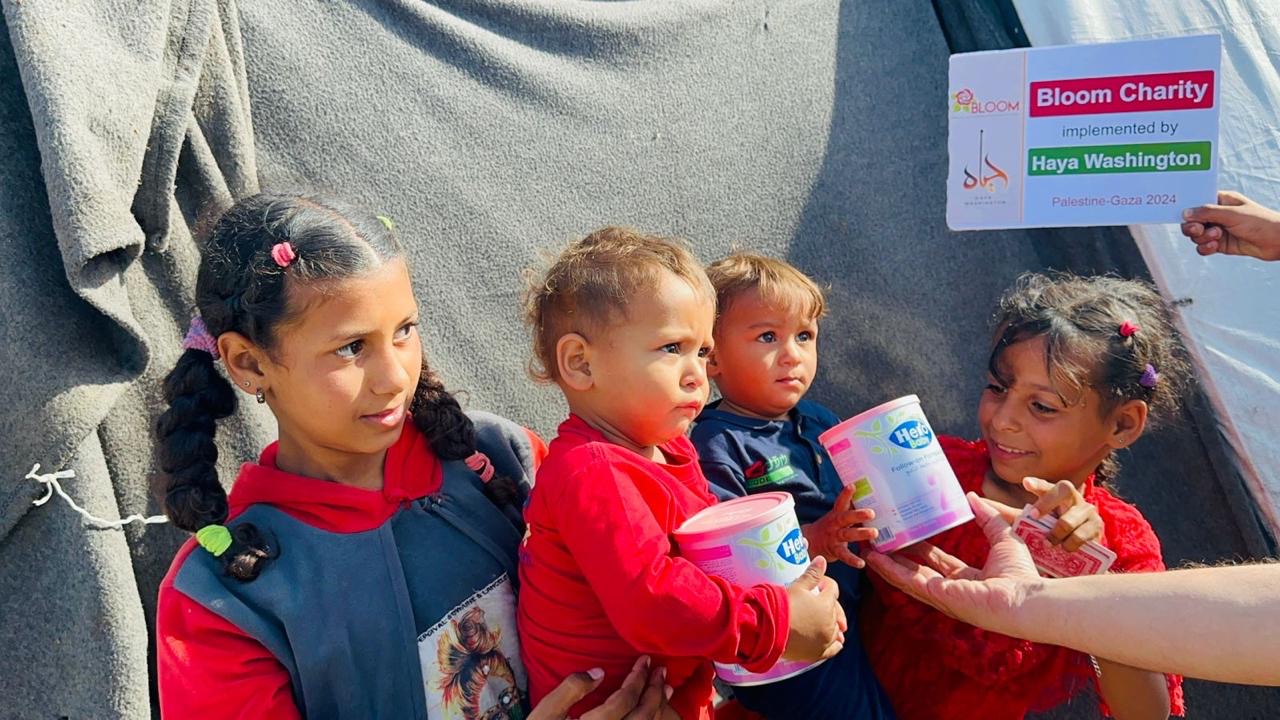
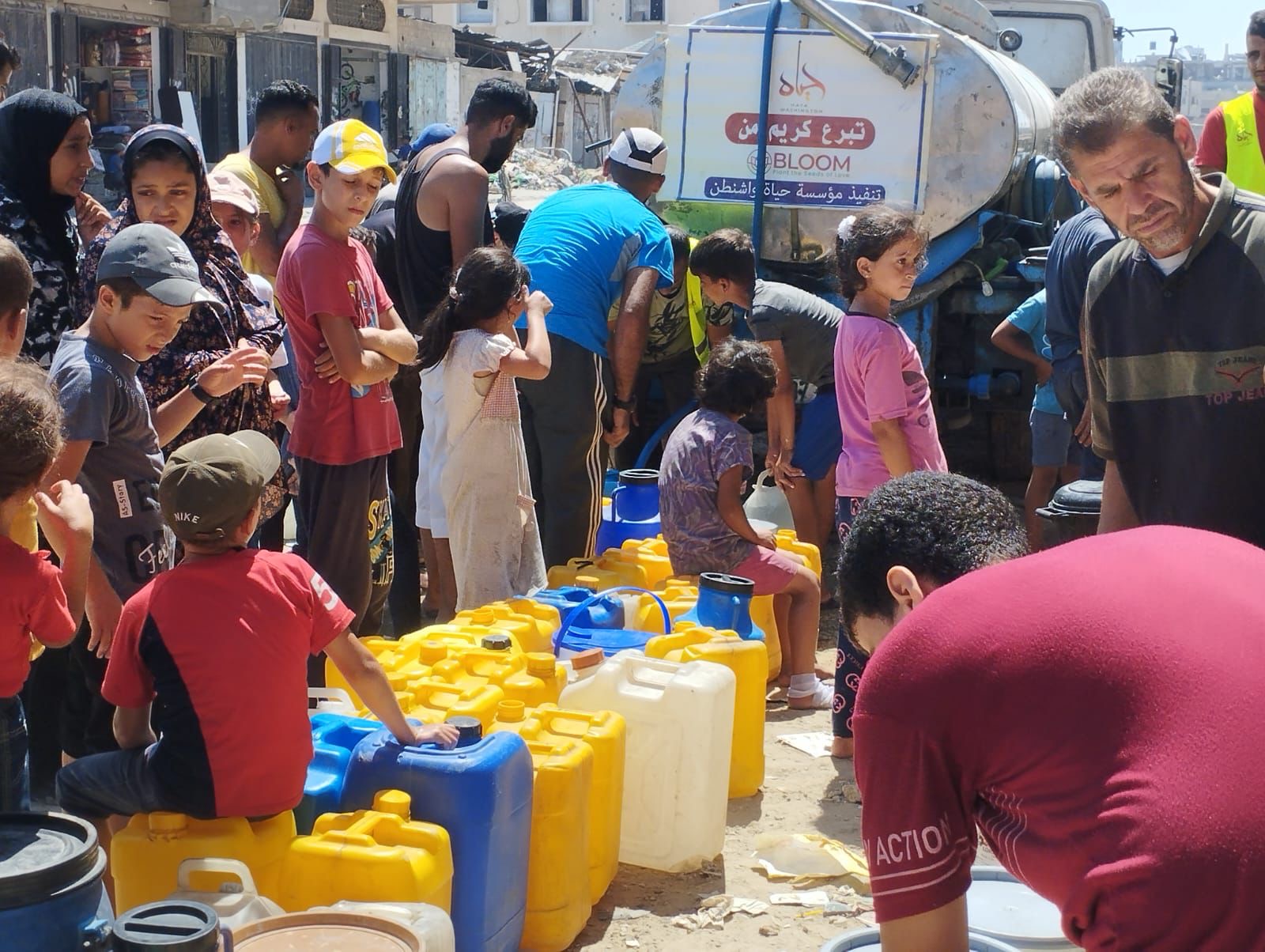
The most urgent needs were food, clean water, infant formula, and dignity items. Alongside this, we provided psychosocial support for children experiencing profound trauma, establishing ourselves as a trusted, culturally competent, community-led organization.
How does your aid delivery work from sourcing to distribution?
We prioritize local sourcing whenever possible to support local economies and move quickly. Essentials like food, water, and clothing are procured through vetted vendors or humanitarian supply chains.
Distributions are planned with community leaders and implemented by our trusted local team of Hayat Washington journalists who understand the needs on the ground. Each distribution is documented through photos, videos, beneficiary counts, and written reports, which are reviewed internally and shared transparently with donors.
How do you choose local partners and verify distributions are fair and accurate?
Trust and accountability are everything. We work with partners deeply rooted in their communities – local experts, educators, and aid workers.
We verify distributions through multiple layers: advance planning, clear beneficiary criteria, on-site documentation, and post-distribution reporting. When possible, we cross-check with community leaders and families.
What does psychosocial support for children look like on the ground?
In practice, it looks like creating moments of safety and normalcy in the middle of chaos. Our psychosocial activities include structured play, art, storytelling, and group activities facilitated by trained local teams.
These sessions help children regulate emotions, express fear and grief, build community, and reconnect with a sense of childhood. Mental health is not an add-on for us — it is foundational to recovery.
How do you track impact when conditions are unstable and access is limited?
We track impact through a combination of quantitative data – number of families served, meals distributed, liters of water delivered – and qualitative insights from our local teams.
We gather footage, photographs and video testimonials, that allow us to understand the impact of our work and the lived experience of Gazans. All this footage is uploaded to a Google Drive that anyone can access freely from our website. While we cannot measure everything perfectly, we prioritize consistency, transparency, and honest reporting. We would rather share incomplete data with integrity than overstate impact.
What’s been the hardest decision you’ve had to make in Gaza?
The hardest decisions are knowing we cannot meet every need. Choosing where to deploy limited resources—between food, water, or psychosocial support—carries real moral weight. There are moments when every option feels insufficient, and we have to make choices guided by urgency, equity, and our partners’ on-the-ground judgment.
How do you handle consent, privacy, and dignity when sharing stories?
We are extremely careful. Consent is obtained whenever possible, and we never share images that compromise dignity or safety.
We avoid sensationalism and focus on humanity and hope rather than suffering. Our goal is to honor people, tell their truth and experience, while not reducing them to symbols of despair.
What’s a common misconception about delivering aid in Gaza?
Many assume aid delivery is linear or predictable — it isn’t. Access can change overnight, and supply chains constantly shift.
Aid work requires adaptability, trust in local leadership, and humility. Despite these challenges, BLOOM has been able to support displaced people every single day for over two years without interruption. This reflects the resilience and innovation of local teams.
What does BLOOM’s next phase in Gaza look like?
It’s a combination of relief, recovery, and long-term programs. Immediate aid remains critical, but we are also building the foundation for long-term healing.
By standing with Gazans through these most difficult times, we have built a strong foundation of trust and a depth of understanding of their needs and cultural context. This foundation of trust and companionship will enable us to successfully engage in the long-term mental health work required.
Our vision includes sustained psychosocial support, maternal and child health programs, and community-based healing spaces. BLOOM is committed to staying – not just responding to crisis but walking alongside communities for the long term.
To donate: https://everypregnancy.org/partners/bloom/