



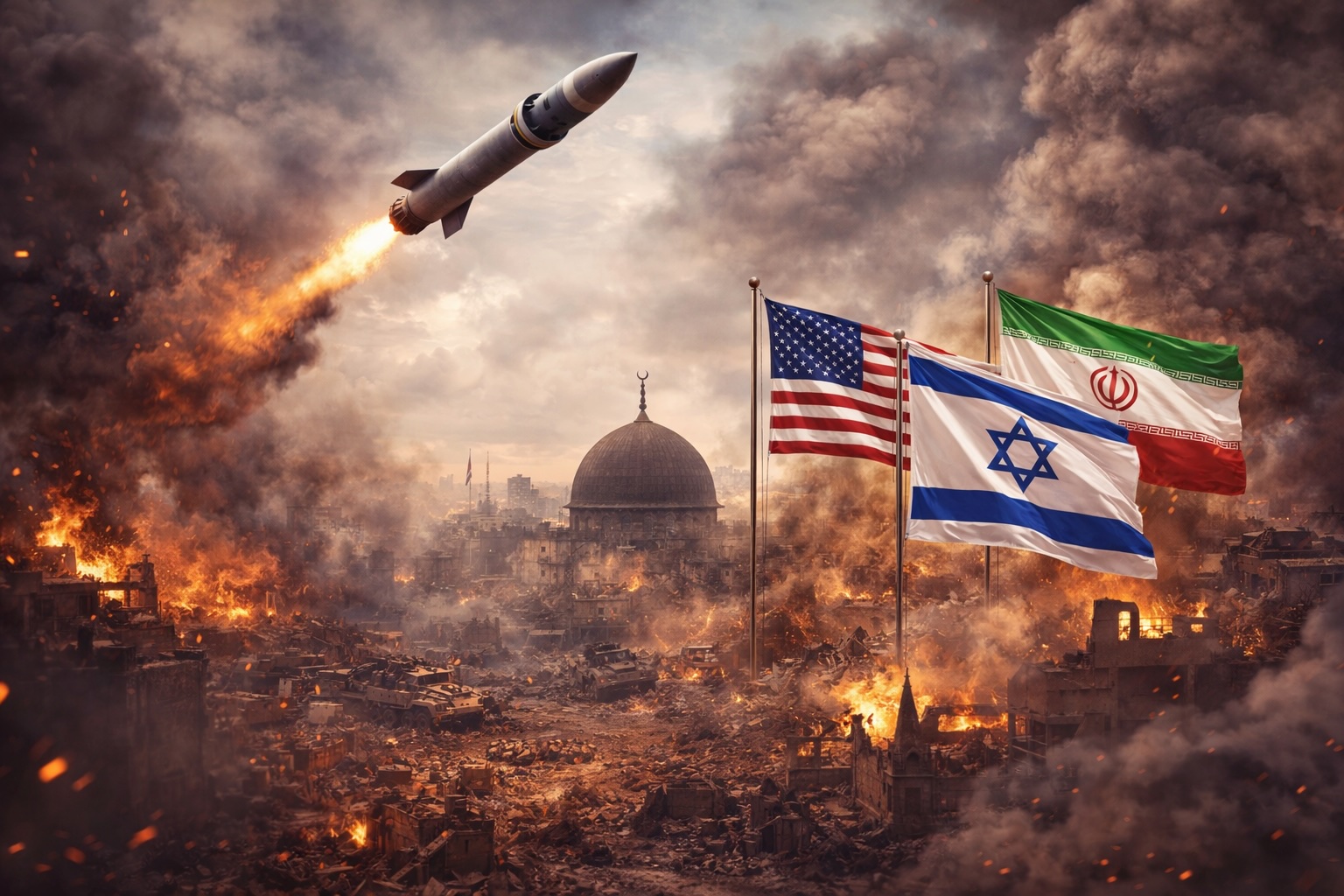
After the U.S. postponed its bombing of Iran, it looks like Iran took strategic advantage of this delay. Iran launched multiple waves of missiles at Israel on Tuesday, the Israeli military said, after President Donald Trump postponed the bombing of the Islamic Republic’s power plants and other energy infrastructure because of what he described as “productive” talks with Iranian officials.
The proposed strikes were originally part of a broader threat tied to Iran’s actions around the strategically vital Strait of Hormuz, a key global oil transit chokepoint.
The focus on sparing energy infrastructure could reflect concerns about global oil market disruption and economic fallout tied to instability in the Strait of Hormuz, through which a significant share of the world’s oil supply passes.
READ: Trump administration admits to Congress Iran had no plans to attack US first (March 2, 2026)
Trump wrote on his Truth Social platform on Monday that the U.S. and Iran had held “very good and productive” conversations about a “complete and total resolution of hostilities in the Middle East”.
As per media outlet Semafor citing a U.S. official, Trump said he was postponing the plan to hit Iran’s power plants for five days, threatening Iran to reopen the Strait of Hormuz or face consequences. However, the pause only applies to Iran’s energy sites while strikes on the country by the U.S. continue.
“No negotiations have been held with the U.S., and fakenews is used to manipulate the financial and oil markets and escape the quagmire in which the US and Israel are trapped,” Iran’s powerful parliament speaker Mohammad Baqer Qalibaf wrote on X.
“If the parties desire, Islamabad is always willing to host talks. It has consistently advocated for dialogue and diplomacy to promote peace and stability in the region,” Tahir Andrabi, a spokesman for Pakistan’s foreign ministry, told Reuters.
READ: Who decides when the world burns?(
The events reveal the broader vulnerabilities tied to global economic interdependence, particularly in energy markets. Even short-term military adjustments can have ripple effects on oil prices, supply chains, and investor confidence, highlighting how geopolitical actions intersect with financial stability.
“The underlying situation is still incredibly fragile or flammable,” said IG market analyst Tony Sycamore.