



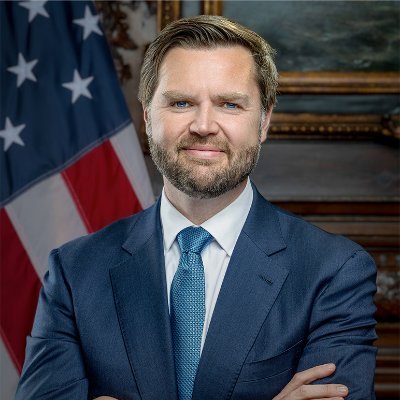
A ceasefire push, a tense exchange with Benjamin Netanyahu, and a delicate effort to straddle MAGA hardliners and swing voters.
By Mohammad Akhlaq Siddiqi
JD Vance’s reported visit to Pakistan to negotiate an Iran‑war ceasefire, and his tense phone call with Israeli Prime Minister Benjamin Netanyahu, are best understood as a high‑stakes risk‑management play for his next presidential election. Rather than a simple foreign‑policy move, it is a calibrated attempt to position himself as the “realist” who can end a bloody, costly war without escalating into a wider regional quagmire—while minimizing backlash from the MAGA base and the pro‑Israel lobby.
By positioning himself as the lead U.S. negotiator—taking a publicly tough line with Netanyahu over Israel’s over‑optimistic war projections—Vance is trying to absorb the political heat of being seen as “soft” on Iran while also signaling that he will not blindly endorse endless conflict. The tense call with Netanyahu sends two messages:
- To the global‑center electorate: he is a sober leader who calls out unrealistic war‑plans.
- To the MAGA and pro‑Israel hardline: he is still on their side but will criticize poor tactics behind closed doors, not just cheer from the sidelines.
This middle ground lets Vance claim credit if a ceasefire or off‑ramp works out, while deflecting blame onto Netanyahu and the war‑hawks if the deal falters or looks weak.
How the MAGA movement shapes the calculus
The MAGA movement is not a coherent coalition when it comes to foreign policy. It includes:
- Christian‑Zionist and pro‑Israel hardliners who view Israel as a biblical and strategic ally.
- Nativist, anti‑immigration, and anti‑Global‑South factions who are often hostile toward Indians, Middle Easterners, and Asians, even as they loudly support Israel.
This means MAGA’s “pro‑Israel” stance is more about symbol and culture‑war alignment than a broad pro‑non‑Western or pro‑peace outlook. Vance’s Palestinian‑war and Iran‑war diplomacy directly clashes with MAGA factions that want permanent maximal war, yet still aligns with other MAGA themes—like skepticism of “endless wars” and “foreign entanglements”—if he frames them as a controlled exit rather than a surrender.
Risk vs. reward for Vance
From a pure election‑risk‑management perspective, Vance’s choices break down like this:
Risks:
-
- Alienating MAGA hardliners who want continued or escalated war, seeing any ceasefire as a “sell‑out.”
- Alienating pro‑Israel groups who blame him for reining in Netanyahu, especially if the deal later unravels.
- Looking like a “compromiser” to MAGA voters who value confrontation and toughness over negotiation.
Rewards:
- Claiming credit if a ceasefire actually stabilizes the situation, positioning himself as the president who “ended the war without boots on the ground.”
- Appealing to swing‑state voters and independents tired of war, cost, and casualties, by branding himself as a pragmatic, not ideological, commander.
- Partially distancing himself from Trump’s most maximalist impulses, which could help him look electable in a broader, more diverse electorate while still flying under the MAGA banner.
(Mohammad Akhlaq Siddiqi is a long-time resident of the Washington, DC, area. His interests include politics, films, and the stock market.)
Read more from Mohammad Akhlaq Siddiqi:
The diplomatic shift: Why JD Vance’s possible Pakistan mission signals a turning point in the Iran conflict (March 27, 2026)
The celluloid state: Decoding the polarizing power of Dhurandhar(March 26, 2026)