


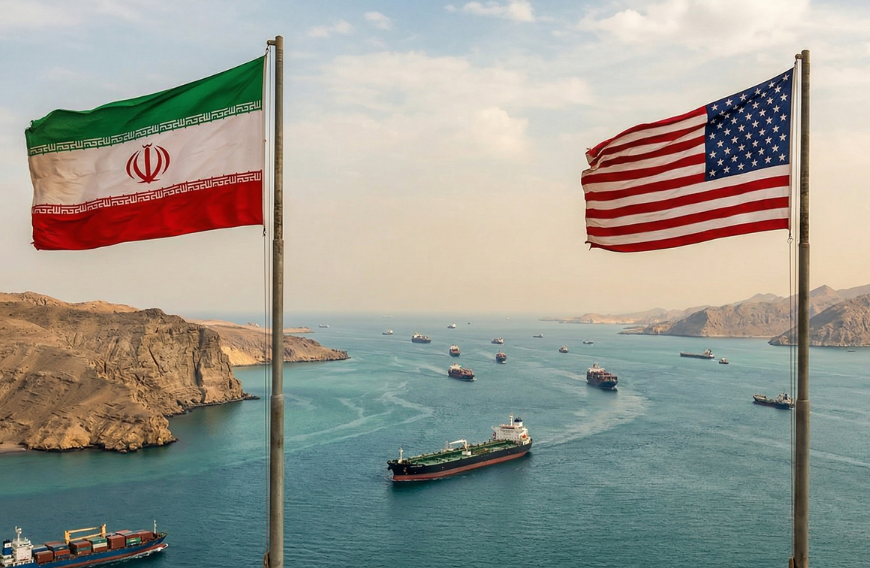
It looks like the U.S. and Iran are open to talks amid ongoing tensions regarding the blockade of the Strait of Hormuz. Negotiators from the U.S. and Iran could return to Islamabad this week to resume talks to end the war, sources told Reuters on Tuesday, after the collapse of weekend negotiations prompted Washington to impose a blockade on Iranian ports.
As per Reuters, while the U.S. blockade drew angry rhetoric from Tehran, signs that diplomatic engagement might continue helped calm oil markets, pushing benchmark prices below $100 on Tuesday.
“No firm date has been set, with the delegations keeping Friday through Sunday open,” a senior Iranian source said.
READ: Trump says US may exit Iran war in ‘two’ or ‘three’ weeks (
In 2026, the Strait of Hormuz became a major global flashpoint amid escalating military tensions involving Iran, the United States, and Israel. The strait is one of the world’s most important energy chokepoints, carrying a large share of global crude oil and liquefied natural gas exports from Gulf producers such as Saudi Arabia, Iraq, and the United Arab Emirates.
During the crisis, Iran increased pressure on maritime traffic through the strait, including threats to commercial shipping, inspections of vessels, and reported attacks and harassment of tankers in and around the waterway. These actions caused widespread concern among shipping companies, many of which reduced or temporarily halted transit due to security risks and rising insurance costs.
As per Reuters, President Trump said Iran had been in touch on Monday and wanted to make a deal, adding that he would not sanction any agreement that allowed Tehran to possess a nuclear weapon.
The developments around the Strait of Hormuz crisis reflect a shift from immediate military escalation toward a more uncertain phase where diplomacy and deterrence are operating at the same time. While the situation remains highly sensitive, the emergence of indirect communication channels supposedly suggests that neither side is fully committed to prolonged economic confrontation, given the severe global consequences involved.
Energy markets, which reacted sharply at the height of tensions, are beginning to stabilize in response to signals that talks may resume, highlighting how closely geopolitical risk and global oil pricing remain linked.
READ: Trump threatens countries helping Iran with 50% tariffs (April 9, 2026)
Uncertainty remains high, as any breakdown in negotiations could quickly reverse recent stabilizing trends. The balance between diplomatic engagement and military posturing continues to define the situation, making outcomes difficult to predict. What is clear is that the Strait of Hormuz has once again become a focal point of global strategic competition, where economic stability, regional security, and diplomatic leverage are tightly interconnected.
As per Reuters, the United States’ NATO allies including Britain and France said they would not be drawn into the conflict by taking part in the blockade, although they have offered to help safeguard the strait by drawing together a defensive multilateral mission to assist when an agreement is in place.